


Understanding Knife Sharpening
Sharp knives are essential for achieving precision, speed, and safety in the kitchen. Over time, even the highest quality knives can lose their edge. Regular maintenance is a must, and sharpening at home can be both cost-effective and satisfying. The right tools can make all the difference.
The Importance of Sharp Knives
A sharp knife reduces the risk of accidents. Dull knives require more force to cut through food, increasing the chances of slipping and injury. Additionally, a well-sharpened knife produces cleaner cuts, enhancing the presentation of your dishes. It’s an essential skill for home cooks and professionals alike to ensure that their tools are up to standard.
Essential Knife Sharpening Tools
Here are the primary tools you’ll need to sharpen your knives effectively at home.
1. Whetstone
A whetstone, or sharpening stone, is a traditional tool for maintaining the edge on your knives. It’s available in various grits, which indicate how coarse or fine the stone is. A two-sided whetstone usually features one coarse side for reshaping the edge and one fine side for honing it.
- Coarse Grit (200-600): Used for repairing dull or damaged blades.
- Medium Grit (800-2000): Ideal for general sharpening and maintaining the edge.
- Fine Grit (3000-8000): Perfect for honing a sharp edge and achieving a polished finish.
For home use, a combination stone with grit levels of 1000/4000 is often adequate.
2. Honing Rod
A honing rod, also known as a honing steel, is designed to realign the microscopic edges of a knife blade after regular use. It’s essential to note that honing doesn’t remove metal or reshape the blade like a whetstone; instead, it keeps the knife sharp between sharpenings.
- Material: Honing rods can be made from steel, ceramic, or diamond. Steel rods are the most common, but ceramic rods provide a sleeker finish. Diamond rods are extremely effective at fine-tuning the edge.
3. Electric Knife Sharpener
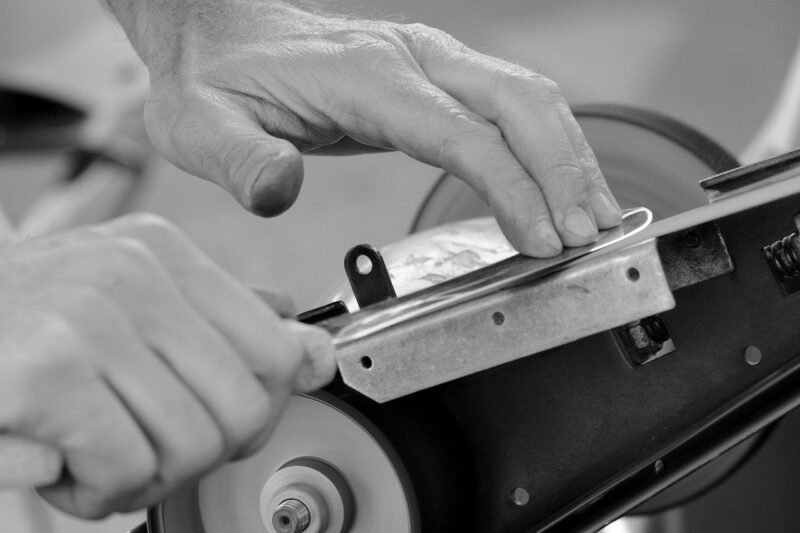
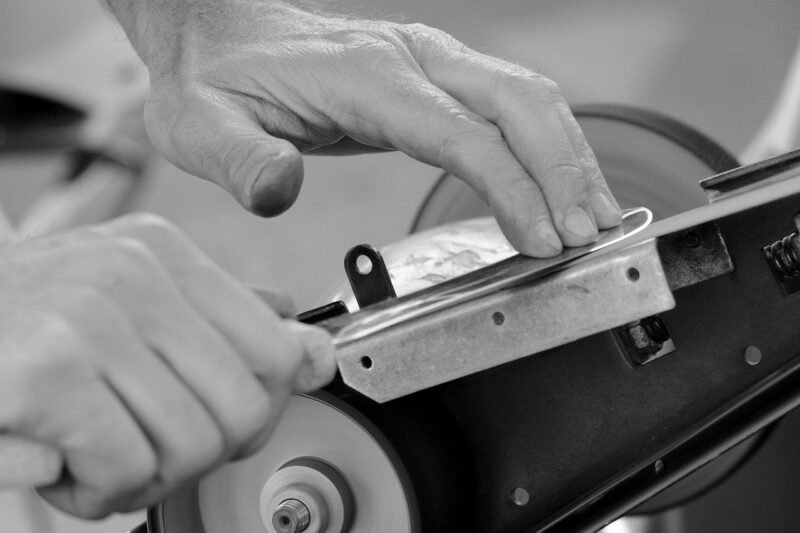
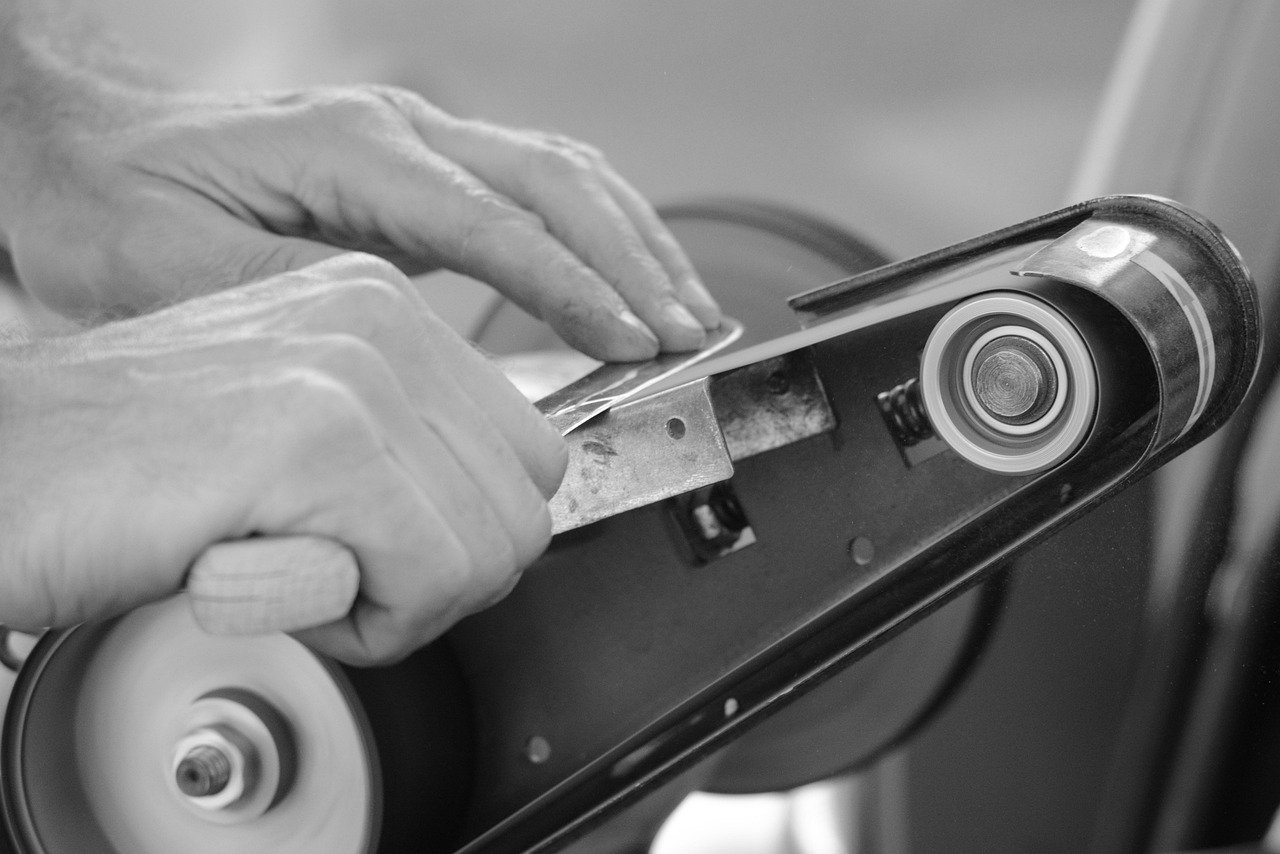
For individuals seeking convenience, an electric knife sharpener could be the ideal option. These devices streamline the sharpening process with precisely designed slots for various types of blades. They can be adjusted for different angles, ensuring consistent results.
- Pros: Fast, easy to use, and requires minimal effort.
- Cons: Can sometimes remove too much material if not used correctly, and they may not provide the same level of refinement as manual methods.
4. Manual Sharpener
Manual sharpeners are compact devices that usually feature a pair of built-in sharpening slots. They are generally user-friendly and require little skill to operate.
- Ceramic and Diamond Options: Some manual sharpeners offer diamond-coated surfaces, which are more aggressive and effective for dull blades. Others use ceramic surfaces for fine sharpening.
5. Leather Strop
A leather strop is a popular finishing tool used by many professional chefs to polish and refine the edge after sharpening. The process removes any burrs left on the blade and aligns it for razor-sharpness.
- Usage: Apply a polishing compound to the strop, hold the knife at a slight angle, and drag the blade across the leather. This will help to achieve the ultimate sharpness.
Knife Sharpening Techniques
Understanding how to use your tools is half the battle. Here are essential sharpening techniques for optimal results.
1. Using a Whetstone
- Prepare the Stone: Soak the whetstone in water for about 10-15 minutes before use.
- Angle the Knife: Hold the knife at roughly a 20-degree angle to the stone.
- Sharpen: Start with the coarse side, sliding the blade across the stone in a sweeping motion from the heel to the tip. Repeat this process 10-15 times before flipping to the finer side.
- Check for Sharpness: After sharpening, test the blade’s sharpness by slicing through a piece of paper.
2. Using a Honing Rod
- Position the Rod: Hold the honing rod vertically, with the tip resting on a stable surface.
- Angle the Knife: Maintain a 15-20 degree angle with the knife.
- Hone the Edge: Start at the top of the rod and pull the knife down towards you, sweeping the blade down and across the rod. Alternate sides as needed.
3. Using an Electric Sharpener
- Choose the Slot: Determine the appropriate sharpening slot based on the knife’s blade type.
- Insert the Knife: Place the knife in the slot and gently pull it through in one smooth motion. Repeat as necessary, and always clean the knife after sharpening to remove any metal shavings.
Maintenance Tips for Knife Care
- Regular Honing: Hone your knives regularly to keep them sharp between major sharpenings. This process helps maintain that keen edge.
- Proper Storage: Use a knife block, magnetic strips, or blade guards to protect knife edges. Avoid tossing them in a drawer where they can become dull from contact with other utensils.
- Cleaning: Hand wash your knives with mild soap and water. Avoid putting them in the dishwasher, as the high heat and aggressive movement can dull and damage them.
Final Thoughts
Investing in the right tools and techniques for sharpening your knives at home can greatly improve your cooking experience. From whetstones and honing rods to electric sharpeners and leather strops, each tool has its place in maintaining your kitchen arsenal. Regular care not only extends the life of your knives but also elevates your culinary skills. A sharp knife is a happy knife, and with these practices, you’ll ensure that your culinary adventures are both safe and enjoyable.