


5 Common Knife Sharpening Mistakes and How to Avoid Them
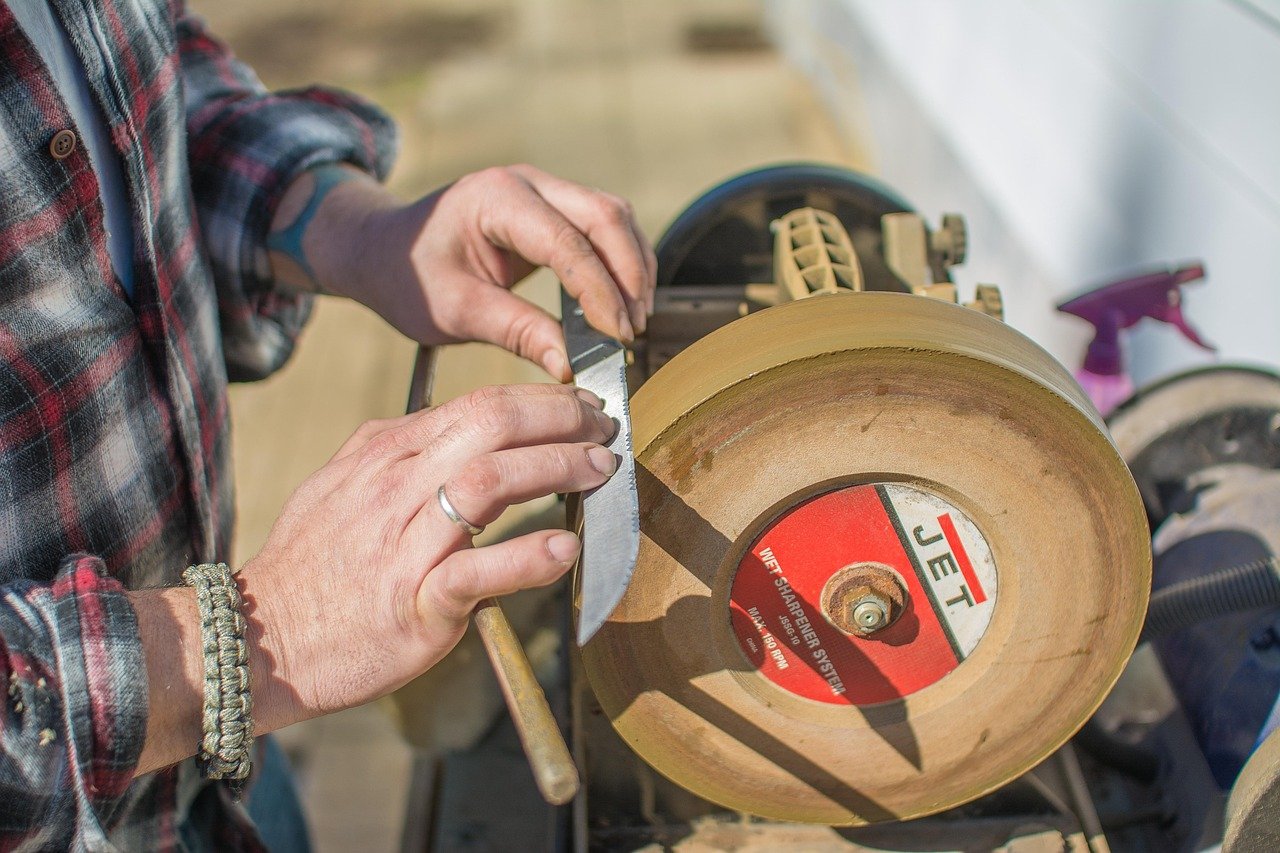
Effective knife sharpening is an essential skill for any home cook or professional chef, yet many people fall prey to common mistakes that can hinder the effectiveness of their efforts. Understanding these pitfalls—and how to avoid them—can significantly enhance your knife maintenance routine. Here are five common knife sharpening mistakes and practical tips for steering clear of them.
1. Using the Wrong Angle
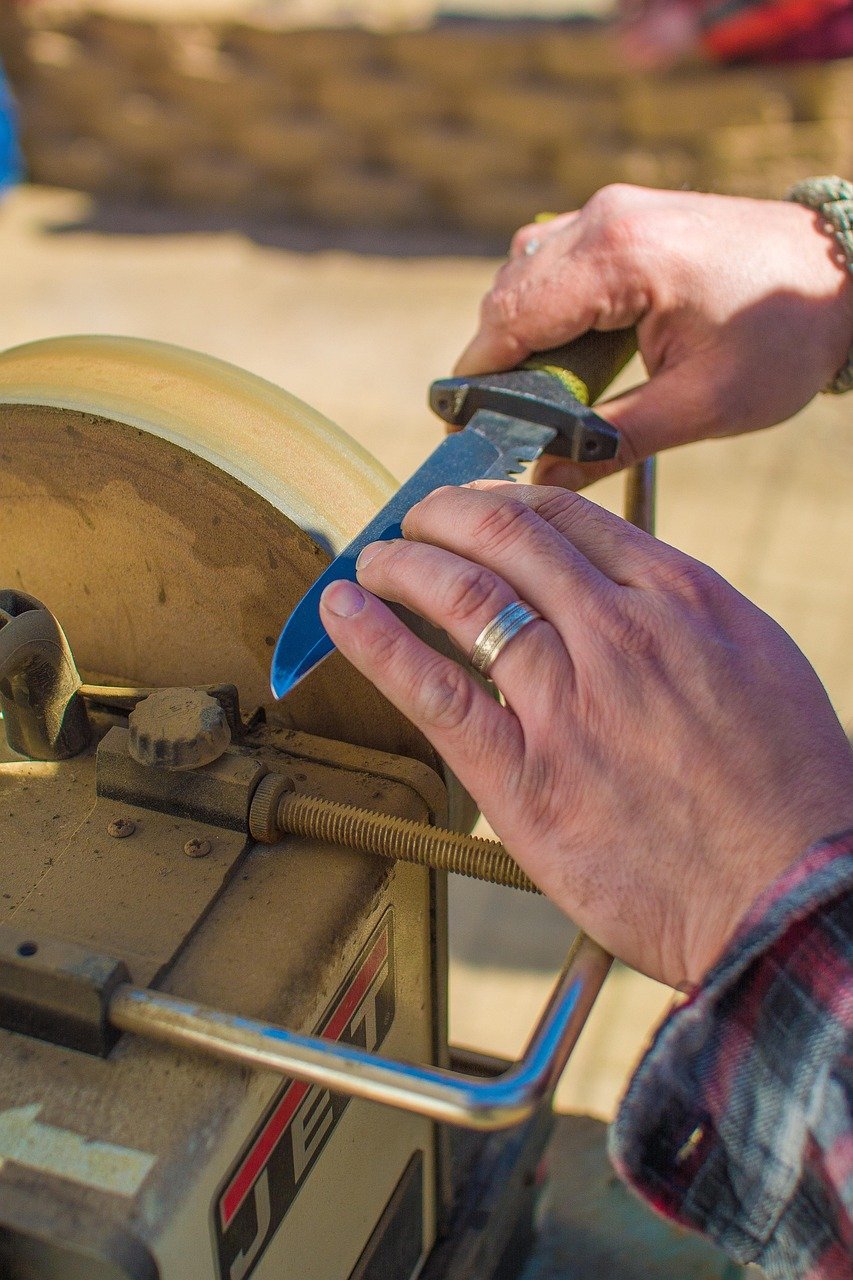
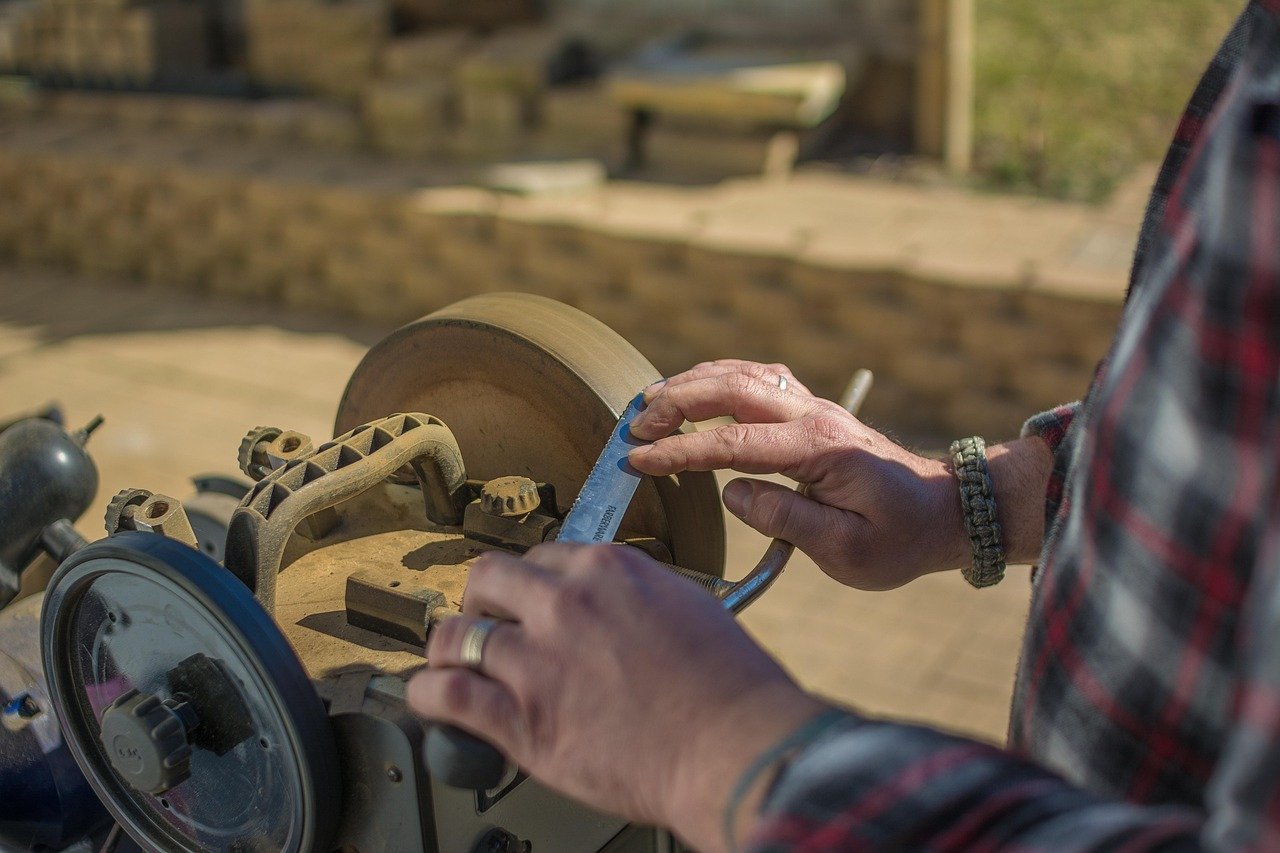
One of the most critical aspects of knife sharpening is the angle at which you sharpen. Different types of knives require different sharpening angles to maintain their edge effectively. For instance, Japanese knives typically require a 15-degree angle, while Western knives are often sharpened at 20 degrees.
How to Avoid This Mistake:
- Know Your Knife: Before sharpening, identify whether your knife is Western-style or Asian-style. This information will guide you in determining the correct angle.
- Use an Angle Guide: Invest in an angle guide or a sharpening system, which holds the knife at the perfect angle throughout the sharpening process. This tool helps ensure consistent angles, leading to a better edge retention.
2. Applying Too Much Pressure
Many novice sharpeners mistakenly believe that applying excessive pressure will yield better results. In reality, too much force can damage the blade and create irregularities in the edge.
How to Avoid This Mistake:
- Use Light, Consistent Pressure: A gentle touch is usually sufficient. Focus on gliding the blade across the sharpening surface rather than pushing it down with force. A light touch allows for controlled sharpening, which results in a finer edge.
- Listen to the Sound: A consistent, smooth sound indicates effective sharpening. If you hear chattering or grinding, you might be pressing too hard.
3. Neglecting to Maintain the Sharpening Tool
Sharpening tools, whether they are whetstones, electric sharpeners, or honing rods, require regular maintenance to remain effective. Over time, they can wear unevenly or become clogged with metal debris, which can lead to poor sharpening results.
How to Avoid This Mistake:
- Clean Regularly: After using your sharpening tool, clean it according to the manufacturer’s instructions. This step may involve rinsing a whetstone or wiping down an electric sharpener.
- Inspect for Wear: Check your sharpening tools regularly. If they show signs of wear or damage, consider replacing them to ensure optimal performance.
4. Failing to Hone Regularly
Many people overlook honing, which is the process of aligning the edge of a knife rather than sharpening it. Regular honing prevents the edge from becoming dull and can prolong the time between sharpening sessions.
How to Avoid This Mistake:
- Incorporate Honing into Your Routine: Make it a habit to hone your knives before or after each use. This simple step takes only a few minutes but can help maintain the knife’s sharpness.
- Use a Proper Honing Method: Position the honing rod vertically and maintain a consistent angle as you draw the knife down the rod. Alternate sides to ensure even alignment.
5. Sharpening Too Frequently or Infrequently
Finding the right balance in sharpening frequency is key. Sharpening too often can lead to excessive wear on the blade, while infrequent sharpening can result in a dull knife that is difficult to use effectively.
How to Avoid This Mistake:
- Assess Sharpness Regularly: Instead of adhering to a strict schedule, gauge the knife’s sharpness before each use. Test by slicing through a piece of paper or tomato. If the knife struggles, it’s time to sharpen.
- Educate Yourself on Blade Material: Different blade materials hold their edges differently; for example, high-carbon steel has excellent edge retention but may have unique maintenance needs. Understanding your knife types will help you determine less frequent sharpening.
Additional Tips for Effective Knife Sharpening
- Invest in Quality Tools: High-quality sharpening stones and tools can make a significant difference. Consider purchasing diamond stones, ceramic rods, or professional-grade electric sharpeners.
- Practice Patience: Knife sharpening is as much an art as it is a skill. Take your time to master the technique, and don’t rush through the process.
- Seek Professional Help: If you’re unsure about your sharpening skills or if your knives are particularly valuable, consider getting them professionally sharpened occasionally. Experts can help restore and refine edges better than the average home enthusiast.
By understanding these common mistakes and implementing the associated tactics to avoid them, you’ll enhance your knife sharpening skills. With practice, you can maintain sharp and effective blades for all your culinary needs. Happy sharpening!