


Understanding Utility Knives
Utility knives are versatile tools designed to facilitate a wide range of cutting tasks. Used in various industries including construction, art, and home improvement, they are essential not only for professionals but also for DIY enthusiasts. Understanding the different types, features, and materials available can help you choose the perfect utility knife for your needs.
Types of Utility Knives
Retractable-Blade Utility Knives:
These knives feature a blade that can be extended and retracted for safety and convenience. Ideal for tasks that require frequent blade changes or adjustments. They commonly feature a simple push button or slider mechanism to control the blade.Fixed-Blade Utility Knives:
Fixed-blade designs are sturdier and more durable but are less versatile than retractable models. These knives are usually favored for heavier-duty tasks where stability and strength are crucial.Auto-Retractable Utility Knives:
These knives automatically retract the blade when not in use, enhancing safety. Often found in workplace settings where safety regulations are strict, they can prevent accidental cuts and injuries.Multifunction Utility Knives:
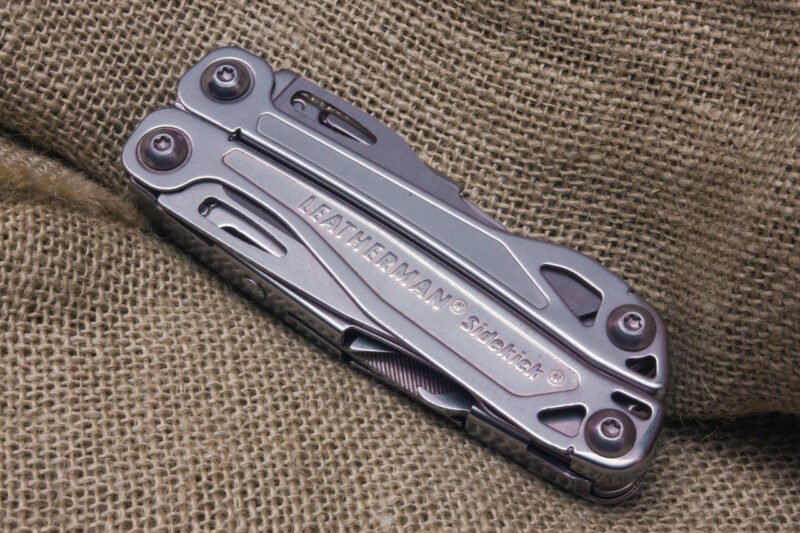
Multifunction models often incorporate additional tools, such as screwdrivers or bottle openers. These are great for users looking for an all-in-one tool for various tasks, especially in outdoor settings.
Key Features to Consider
Blade Material:
The quality of the blade affects both performance and longevity. Common materials include stainless steel, carbon steel, and ceramic. Stainless steel offers corrosion resistance; carbon steel provides sharpness and durability; ceramic, while less common, is lightweight and rust-resistant.Blade Replacement System:
Consider how easy it is to replace the blade. A knife with a tool-free blade change feature can save time and frustration. Look for mechanisms that allow for quick and effortless changes without the need for additional tools.Ergonomic Design:
A comfortable grip reduces hand fatigue during extended use. Look for knives with rubberized grips or contoured handles that fit naturally in your hand. Weight distribution also plays a role; a well-balanced knife enhances control and precision.Blades Available:
Replaceable utility knife blades come in various styles—standard, hook, or pointed—each suited for different applications. Hook blades are great for cutting rope or straps, while pointed blades excel at precise cuts.Locking Mechanism:
For safety, a reliable locking mechanism is essential. This feature ensures that the blade stays in place during use, preventing accidental retraction or movement. Look for models with a strong lock that is easy to use but difficult to disengage unintentionally.
Safety Features
Using a utility knife poses inherent dangers. To mitigate risks, consider these safety features when selecting a knife:
Blade Guard: Some utility knives come with an integrated blade guard that covers the blade when not in use. This ensures safety during transport and storage.
Trigger-Activated Blade: Similar to auto-retractable models, knives with trigger-activated blades allow users to control when the blade is exposed.
Belt Clip: A durable belt clip allows for easy accessibility and ensures the knife remains secure when not in use. This prevents it from being lost or causing injury when it’s tucked away.
Brand Reputation
When selecting a utility knife, consider the reputation of the brand. Well-known brands often produce higher-quality products due to rigorous testing and adherence to industry standards. Some reputable brands include:
- Olfa: Known for their premium rotary and snap-off utility knives.
- Stanley: Offers a wide selection of classic and modern utility knives.
- Slice: Features innovative blade designs for increased safety.
- Klein Tools: Popular among electricians due to their durable and specialized utility knives.
Price Range
The price of utility knives varies significantly based on quality, materials, and features. Basic utility knives may cost as little as $5, while high-end, multifunctional models can exceed $50. When shopping, consider your budget alongside the features you deem necessary for your specific tasks.
Handling and Maintenance
Once you’ve selected the right utility knife, proper handling and maintenance can ensure its longevity:
Regular Blade Replacement: Dull blades can be damaging and frustrating. Regularly check and replace blades as needed.
Cleaning: After each use, clean your utility knife to remove debris, adhesive, or other residues. This will protect the blade and handle from wear.
Storage: Always store the utility knife in a safe place, preferably in a sheath or with the blade retracted. This prevent accidental cuts and extends the tool’s life.
Inspect for Damage: Before each use, inspect the knife for any signs of wear or damage. If any part is compromised, replace it to ensure safe operation.
Common Applications
Utility knives are used in various applications, including:
- Construction: For cutting drywall, insulation, or opening boxes.
- Crafting: Ideal for intricate cuts on paper, fabrics, and lighter materials.
- Packaging: Excellent for breaking down cardboard boxes and cutting tape.
- Gardening: Utility knives can be used for cutting ropes, twine, or other garden supplies.
Accessories to Consider
Enhance your utility knife’s functionality with these accessories:
- Replacement Blades: Always have extra blades on hand specific to your utility knife type.
- Sheaths: Protect your knife during transport and storage.
- Sharpening Tools: For fixed blade models, consider a sharpening tool to maintain the edge over time.
Eco-Friendly Alternatives
As environmental concerns grow, many manufacturers are producing utility knives with sustainable materials. Look for knives made with recycled components or those designed for easy recycling at the end of their life cycle.
Conclusion (Removed as per instructions)
In the vast world of utility knives, making the right choice requires a clear understanding of your needs and the range of available options. Whether for professional use or simple household tasks, the correct utility knife can significantly improve efficiency, safety, and satisfaction in all cutting projects. Follow this guide, and you’ll be well-equipped to choose the utility knife that best suits your requirements.