



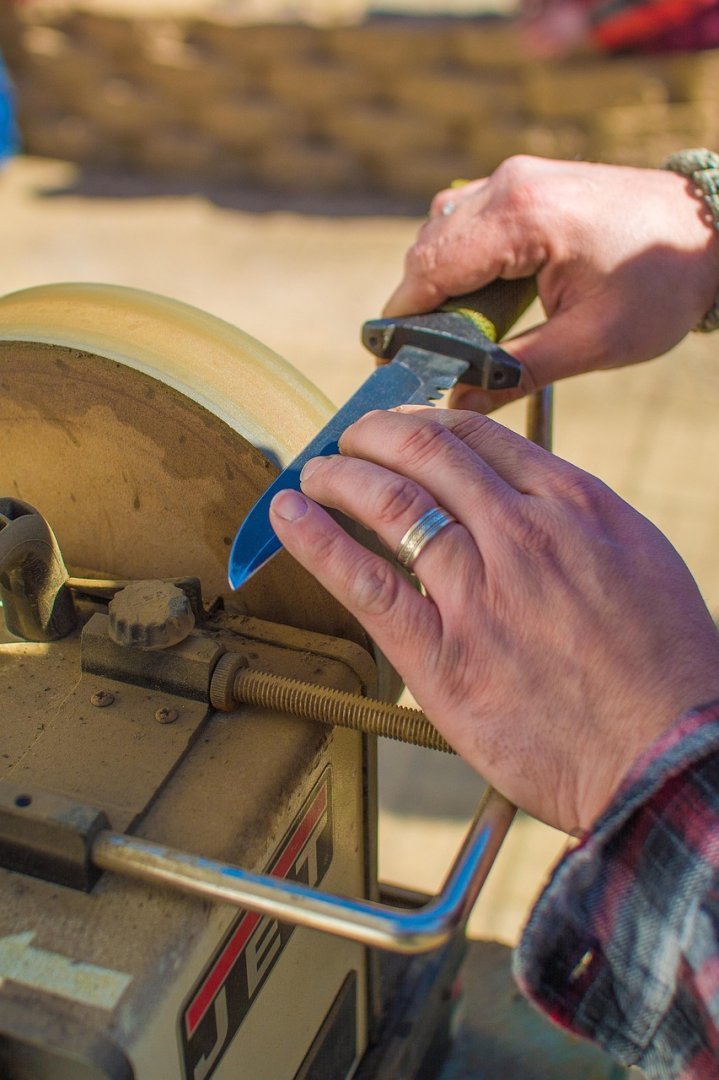
Understanding Knife Sharpening and Its Importance
Knife sharpening is more than just a maintenance task; it is an essential skill that directly impacts the efficiency and safety of cutting. A sharp knife reduces the risk of accidents, enhances food preparation, and improves cooking results. While various tools for knife sharpening exist, using a sharpening stone is favored by professional chefs and culinary enthusiasts alike.
Types of Sharpening Stones
When it comes to sharpening stones, there are several types, each with distinct characteristics. The most common are:
1. Water Stones
Water stones are versatile and can create a fine edge with relatively minimal effort. They are soaked in water before use, which helps remove metal filings during sharpening and prevents the stone from clogging.
2. Oil Stones
Oil stones require oil for lubrication. They are generally more durable than water stones but are often less aggressive in removing material. Their maintenance involves regular cleaning to avoid buildup.
3. Diamond Stones
Diamond sharpening stones feature a surface coated with diamond particles. They are highly effective and retain their flatness, making them a favorite among professionals for quick sharpening.
4. Ceramic Stones
Ceramic stones are excellent for honing an edge and are prized for their durability. They do not require lubrication, making them easier to maintain.
Selecting the Right Grit
The grit of a sharpening stone determines its coarseness and ability to remove metal. Grit is measured in numbers, with lower numbers representing coarser stones and higher numbers indicating finer stones.
- Coarse Grit (200-600): Ideal for repairing dull or damaged edges.
- Medium Grit (1000-3000): Used for regular sharpening, it refines the edge after coarse sharpening.
- Fine Grit (4000-8000): Perfect for honing and polishing the blade to achieve an ultra-sharp edge.
For general use, a combination of coarse and medium grit stones (400-1000) is sufficient for most kitchen knives.
Preparing to Sharpen
Before sharpening, ensure that your workspace is clean and free from distractions. Gather the necessary materials: the sharpening stone, a damp cloth, a bowl of water (if using a water stone), and a towel for drying.
Soak the Stone (for Water Stones): Submerge the water stone in water for about 10-15 minutes until it is fully saturated.
Stabilize the Stone: Place the stone on a non-slip surface to prevent movement. A wet cloth underneath can help with stability.
Sharpening Technique
1. Understanding the Angle
The angle at which you hold the knife is crucial. Most kitchen knives should be sharpened at a 15 to 20-degree angle. Using an angle guide can help maintain consistency.
2. The Sharpening Process
Initial Pass: Starting with the coarse side of the stone (if double-sided), place the knife at the appropriate angle. With gentle, even pressure, draw the blade across the stone towards you, covering the entire edge from the heel to the tip. Repeat this motion 5-10 times.
Switching Grit: If using a multi-grit stone, flip to the finer grit after achieving the desired sharpness with the coarse side. Repeat the same drawing motion.
Testing Sharpness: Once finished, test the knife’s sharpness by slicing through a piece of paper or a tomato. If it glides effortlessly, you have achieved a sharp edge.
Honing the Edge
Honing is slightly different from sharpening. It aligns the edge of the blade and should be done regularly to maintain sharpness. Use a honing steel or a fine ceramic stone for this purpose. Position the knife at the same angle as during sharpening and draw it down the honing tool, alternating sides.
Cleaning and Maintenance
After sharpening your knife, clean the sharpening stone to remove metal particles and debris. Rinse it under warm water and gently scrub with a soft brush if necessary. Let the stone air dry completely before storing it to prevent mold or degradation.
Safeguarding Your Knives
To keep knives sharp for longer, consider these tips:
- Use a wooden or plastic cutting board to avoid dulling the edge on hard surfaces.
- Store knives in a magnetic strip or a knife block to protect the blades from nicks and dings.
- Regularly hone the knife between sharpenings.
Common Mistakes to Avoid
- Using Excessive Pressure: Applying too much pressure can damage the blade. Use light, even pressure to avoid removing too much material or bending the edge.
- Neglecting Angle Consistency: Maintaining a consistent angle is vital for an even edge; training your muscle memory while practicing can aid this consistency.
- Skipping Grits: Always progress through grits methodically. Skipping from coarse to fine can leave the knife dull and uneven.
Additional Tips for Advanced Sharpening
- Practice with Dull Knives: Before attempting to sharpen high-quality knives, practice on less expensive, dull knives to improve your technique without the risk of damaging your primary tools.
- Use a Guide: If you’re a beginner, consider investing in an angle guide. It can help maintain consistent sharpening angles, especially with the first few tries.
Conclusion
Mastering the art of knife sharpening using a sharpening stone can elevate your culinary skills and extend the life of your knives. With the right technique, tools, and practice, you will find sharpening not only enhances your cooking experience but also provides a satisfying sense of achievement. Embrace the process, refine your approach, and enjoy the fruits of your labor with every slice and dice in the kitchen.