



Selecting the right knife sharpener can significantly impact your culinary experience, enhancing your tools for better performance and longevity. This detailed guide will equip you with the knowledge to make an informed decision between manual and electric knife sharpeners.
Understanding Knife Sharpening Basics
Before diving into the differences between manual and electric sharpeners, it’s vital to understand what knife sharpening entails. Sharpening involves restoring the blade’s edge to improve its cutting ability. Knives are honed to create a sharp edge that can slice through materials effortlessly.
Two primary types of angles come into play: serrated and straight. A knife’s edge angle affects its sharpness and cutting efficacy, with the most common angles ranging from 15 to 30 degrees.
Manual Knife Sharpeners
Manual sharpeners utilize physical effort to sharpen knives, often requiring user skill and technique for optimal results. Below are the primary types and features of manual sharpeners:
Pros of Manual Knife Sharpeners
Cost-Effective: Typically, manual sharpeners are more affordable than their electric counterparts. Basic models start as low as $10, while high-quality options remain budget-friendly.
Portability: Most manual sharpeners are compact, making them easy to store or transport. This is an advantageous feature for chefs who need to travel frequently for culinary events.
Control and Precision: A manual sharpener allows users to control the sharpening angle and pressure, offering precision sharpening tailored to individual preferences.
No Electricity Needed: Manual sharpeners can be used anywhere, as they do not require an electrical outlet, making them versatile for outdoor cooking or camping.
Longer Knife Life: Manual sharpening often involves minimal material removal, promoting longer blade life and preserving the knife’s structural integrity.
Cons of Manual Knife Sharpeners
Time-Consuming: Sharpening knives manually can be a slow process, especially if you’re working with multiple knives.
Skill Required: Mastering the technique to achieve a sharp edge takes time and requires a degree of practice, which may frustrate novice cooks.
Potential for Damage: If not used correctly, manual sharpeners can inadvertently damage the knife edge, leading to issues such as chipping.
Types of Manual Knife Sharpeners
Honing Rods: These cylindrical rods realign the knife edge for minor maintenance. They are frequently used between sharpening sessions.
Whetstones: These are flat stones used for sharpening. They require skill to effectively sharpen a blade at the correct angle.
Pull-Through Sharpeners: These compact devices have two slots with abrasive surfaces where users pull the knife through to sharpen.
Electric Knife Sharpeners
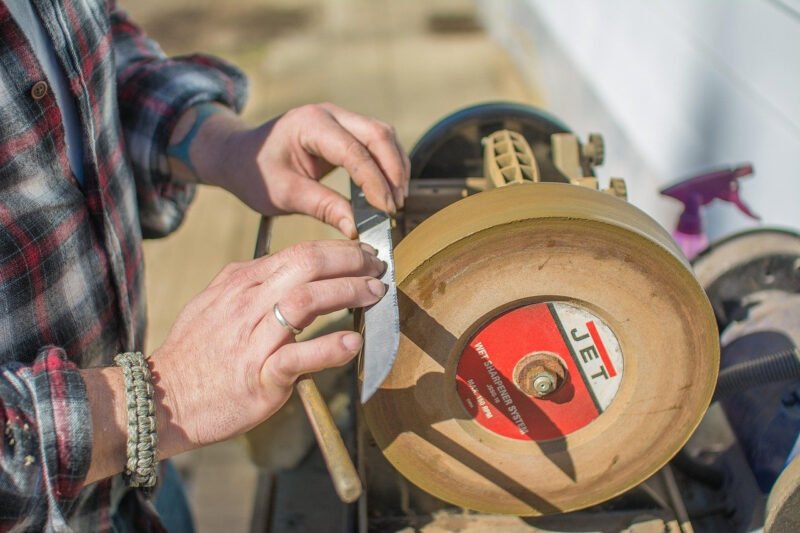
Electric sharpeners employ motorized mechanisms, allowing for faster and typically less labor-intensive sharpening. Here’s a detailed look at their pros and cons:
Pros of Electric Knife Sharpeners
Speed: Electric sharpeners significantly reduce the time required to sharpen a blade as they can sharpen multiple knives in a short span.
Ease of Use: They provide a straightforward sharpening process—simply insert the knife, and the machine does the work.
Consistent Results: Electric sharpeners are often designed to maintain a uniform angle, which can produce more consistent results compared to manual sharpeners.
Better for Beginners: Users without sharpening experience may find electric sharpeners easier to operate, leading to less frustration.
Advanced Features: Many electric sharpeners come with multiple grits and stages, offering versatility in sharpening options ranging from coarse to fine.
Cons of Electric Knife Sharpeners
Cost: These sharpeners are generally more expensive, with prices ranging from $30 to several hundred dollars depending on brand and features.
Requires Power: Electric sharpeners need a power source, which could be a limitation in certain situations like camping or outdoors.
Less Control: Users have less control over the sharpening process compared to manual options, as the device’s settings dictate the outcome.
Potentially More Material Removal: Electric sharpeners can be aggressive, removing more metal from the blade than necessary, which may lead to a shorter lifespan for the knife.
Factors to Consider
When deciding between manual and electric sharpeners, consider the following:
Knife Types
Examine the types of knives you own. For delicate or specialized knives, such as Japanese sushi knives that require precision sharpening, a manual sharpener like a whetstone may be preferable. Conversely, heavier-duty knives may benefit from the quick and easy application of an electric sharpener.
Skill Level
Assess your comfort level and experience. If you’re comfortable with blades and sharpening techniques, a manual option can offer fine-tuned results. In contrast, if you’re inexperienced, an electric sharpener may yield better outcomes without the steep learning curve.
Usage Frequency
Consider how often you sharpen your knives. If you frequently cook and require sharp knives, an electric option can save you time and effort. However, if you only sharpen occasionally, a manual sharpener might suffice.
Kitchen Space
Evaluate the storage space in your kitchen. Manual sharpeners typically take up less space, while electric sharpeners can be bulkier. Ensure that you have adequate room for whichever option you choose.
Maintenance of Sharpeners
Regardless of your choice, maintaining your knife sharpener is critical for longevity and performance.
Manual Sharpeners: Clean them regularly by removing metal shavings and debris. For whetstones, soak them in water before use, and rinse them afterward to keep them free of grit.
Electric Sharpeners: Unplug the device and use a cloth to wipe down the external surfaces. Ensure that the sharpening slots are free of debris, and refer to the manufacturer’s instructions for specific cleaning procedures.
Conclusion
Choosing between manual and electric knife sharpeners boils down to your personal needs, preferences, and experiences. By considering factors such as knife types, skill levels, usage frequency, and available kitchen space, you can select the ideal sharpener to maintain your knives for optimal performance in the kitchen. Armed with the knowledge from this guide, you can confidently invest in a knife sharpener that complements your cooking style and meets your sharpening expectations.