



Knife Sharpening Safety: Common Mistakes to Avoid
Understanding the Importance of Safety in Knife Sharpening
Knife sharpening is crucial for maintaining the functionality and longevity of your blades. However, it’s equally vital to embrace safety while honing these tools. A well-sharpened knife is effective and effortless to use, while a dull knife can lead to accidents due to excessive force. Knowing the common mistakes in knife sharpening can substantially reduce the risks involved.
1. Skipping Protective Gear
One of the biggest oversights is neglecting personal protective equipment (PPE). The use of cut-resistant gloves can significantly mitigate the risk of injuries during the sharpening process. If you’re utilizing a sharpening stone, consider using a glove on the hand that’s holding the blade to avoid potential slips.
Common Mistake: Ignoring Gloves and Safety Glasses
Many individuals believe they are skilled enough to manage without gloves or safety glasses. This misconception can lead to severe injuries. A slip can cause cuts not just to the fingers but even to the arms, if the blade is held improperly. In addition, small shards or debris may fly off during sharpening, so wearing safety glasses can serve as a crucial barrier to protect your eyes.
2. Incorrect Stance and Positioning
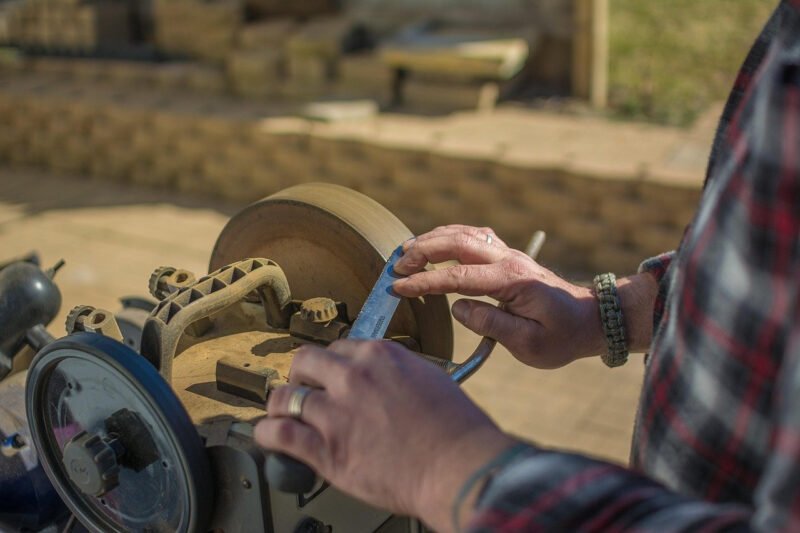
Your stance greatly impacts your sharpening effectiveness and safety. Improper positioning can lead to accidental slips, while an awkward grip on the knife can increase the risk of injury.
Common Mistake: Poor Posture
A common error is standing in a way that puts excessive strain on your body, which can lead to jerky movements. Always maintain a stable, balanced stance. Adopt a comfortable grip on the knife to maintain control and minimize the chances of slipping.
3. Sharpening on Unstable Surfaces
Choosing a proper working surface is essential for maintaining safety during knife sharpening. A wobbly table or an unstable platform can drastically enhance the chances of accidents.
Common Mistake: Ignoring Stability
Always ensure that the surface you are working on is flat and stable. Use a non-slip mat or a clamp to hold your sharpening stone in place. This added security prevents it from shifting during use, which can lead to inconsistent sharpening and increase accident risk.
4. Using Dull or Damaged Sharpening Tools
Just as dull knives can be dangerous, so too can dull sharpening tools. Trying to sharpen knives with a worn-out whetstone or an ineffective sharpener can lead to frustration and unsafe conditions.
Common Mistake: Neglecting Tool Maintenance
Regularly inspect your sharpening tools and replace them as needed. Using a damaged tool not only increases the risk of injury due to poor performance but can also damage your knife. If you’re using a mechanical sharpener, check that the components are functioning correctly.
5. Rushing the Process
Sharpening a knife is not a task to rush. Hastiness can lead to mistakes that might result in accidents.
Common Mistake: Failing to Take Your Time
Allow yourself ample time to focus on the task at hand. Focus on the correct angle of sharpening and avoid any distractions. A rushed approach often results in limp wrist movements, increasing the chances of cuts.
6. Incorrect Angle Maintenance
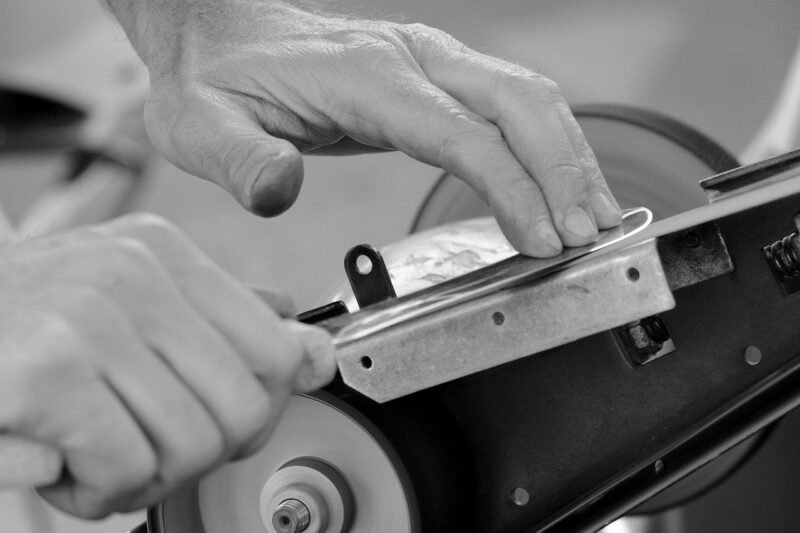
Maintaining the proper angle while sharpening is essential. Different types of knives require different sharpening angles.
Common Mistake: Ignoring the Knife’s Angle Requirements
Most kitchen knives benefit from a sharpening angle of around 20 degrees, while others, like filet knives, might need a more acute angle. Neglecting to adhere to these specifications can lead to blade damage or ineffective sharpening.
7. Disregarding Knife Direction During Sharpening
When sharpening, the direction you pull the knife across the sharpening surface can influence both effectiveness and safety.
Common Mistake: Wrong Blade Orientation
Many individuals pull the blade backward in a manner that can lead to increased slip risk. Depending on the type of sharpener you’re using, make sure to follow the manufacturer’s guidelines for the correct blade direction.
8. Improper Communication (When Working with Others)
If others are present while sharpening knives, it’s vital to communicate effectively. Lack of awareness can lead to unsafe situations.
Common Mistake: Assuming Others Know What You’re Doing
Always inform others that you are sharpening a knife, especially in a shared workspace. Clearly state your intentions and be aware of others’ movements. This mindfulness prevents unexpected accidents.
9. Neglecting the Clean-Up Process
After sharpening, it’s common for materials and debris to accumulate. Neglecting the cleanup can lead to accidental cuts later on.
Common Mistake: Leaving Sharpening Residue
Always clean your area after sharpening. Sharp particles or remnants can remain on work surfaces, leading to potential injuries. Establish a routine cleanup process that ensures safety as the final step.
10. Insufficient Knowledge about the Knife Type
Understanding the specific needs and characteristics of different knives can enhance safety during sharpening. Not all knives are created equal; hence, their sharpening techniques vary.
Common Mistake: Using Generic Techniques
Buying an array of knives comes with the responsibility of learning about each one. Familiarize yourself with the materials, purpose, and specific sharpening requirements of your blades. This knowledge impedes mistakes and enhances overall safety.
11. Lack of a Designated Sharpening Area
Using different areas for knife sharpening can lead to confusion and increased danger.
Common Mistake: Not Having a Dedicated Space
Always select a specific area for knife sharpening, equipped with all necessary tools and accessories. This allows you to concentrate fully on the task without unnecessary distractions, improving your control and focus.
12. Failing to Practice Safe Knife Handling
Sharpening is not the only time one should focus on knife safety; handling the knife during all stages of use is critical.
Common Mistake: Neglecting Proper Handling Techniques
Always carry knives with the blade facing down and point it away from your body. Instruct others on the dangers of improper knife handling, creating a culture of safety.
13. Using Improper Sharpening Techniques
There are various sharpening techniques available, and using the wrong one can not only be ineffective but also hazardous.
Common Mistake: Using a Technique That Doesn’t Suit Your Knife
Research the techniques best suited to your specific knives. Whether honing, whetting, or using a pull-through sharpener, ensure that the method matches the blade material and its intended purpose.
14. Ignoring Changes in Knife Performance
Lastly, an often-overlooked issue is noticing the diminished performance of your knife during use.
Common Mistake: Failing to Recognize When a Knife Needs Sharpening
Listening to your knife is paramount; if you encounter friction or resistance, it’s time to sharpen. Regular assessments during cooking can prevent dangerous situations where excessive force leads to loss of control.
Knife sharpening is an art that requires practice, patience, and, above all, safety awareness. By acknowledging and addressing the common mistakes outlined above, you can ensure a safer and more effective sharpening experience. Making safety a priority not only protects you but also extends the life and effectiveness of your knives—an investment worth taking seriously.