


Understanding Knife Sharpening
Knife sharpening is an essential aspect of maintaining kitchen tools that many home cooks and professionals often overlook. A sharp knife not only improves efficiency in the kitchen but also enhances safety by allowing for more precise and controlled cutting. When it comes to the process of getting your knives back to their peak performance, two main methods exist: manual and electric knife sharpeners. Each has its own benefits and drawbacks. Let’s delve into the specifics of both, helping you determine which might be best for your sharpening needs.
Manual Knife Sharpeners
Manual knife sharpeners come in various forms, including sharpening stones, honing rods, and handheld sharpeners. These tools require the user to exert some effort to sharpen the blade, offering a more hands-on approach to knife maintenance.
Types of Manual Sharpeners
Sharpening Stones: Often made of ceramic, diamond, or water stones, sharpening stones are versatile tools that require skill to use effectively. They allow users to achieve razor-sharp edges but necessitate knowledge of proper angles and techniques.
Honing Rods: Commonly found in many kitchens, honing rods are great for realigning the edge of your knife. They don’t actually sharpen the knife but rather maintain its edge between actual sharpening sessions.
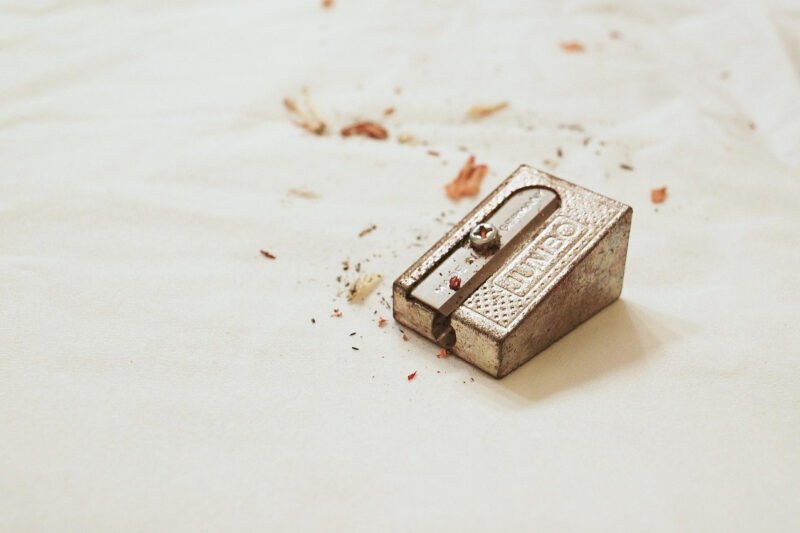
Handheld Sharpeners: Typically featuring two or more metal strips, these sharpeners allow users to draw the knife through the slots. They offer convenience and are user-friendly, though their effectiveness can vary.
Advantages of Manual Sharpeners
Control: Manual sharpeners give users direct control over the sharpening process. Skilled users can adjust the angle and pressure applied, allowing for personalized sharpening based on the blade type.
Versatile: Using sharpening stones permits sharpening of various blade shapes and sizes. Furthermore, they can be used for other tools like scissors and chisels.
Cost-effective: Manual knife sharpeners tend to be less expensive than electric options, making them accessible to a wider range of users.
Skill Development: Using manual methods can enhance a chef’s understanding of knife mechanics and maintenance, improving overall culinary skills.
Disadvantages of Manual Sharpeners
Time-consuming: Sharpening a knife manually usually takes longer than using an electric sharpener, requiring patience and practice.
Skill Barrier: Effective sharpening with stones requires technique. Inexperienced users might struggle to achieve the desired sharpness.
Physical Strain: Some users might find the physical act of sharpening tiring, especially when dealing with multiple knives.
Electric Knife Sharpeners
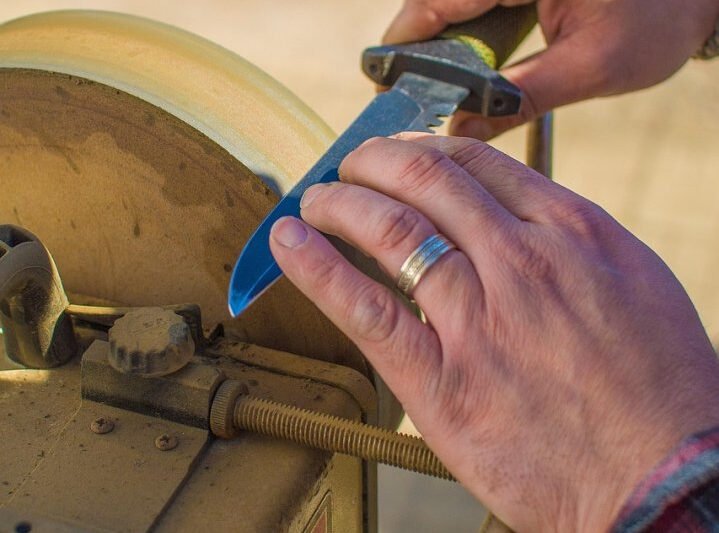
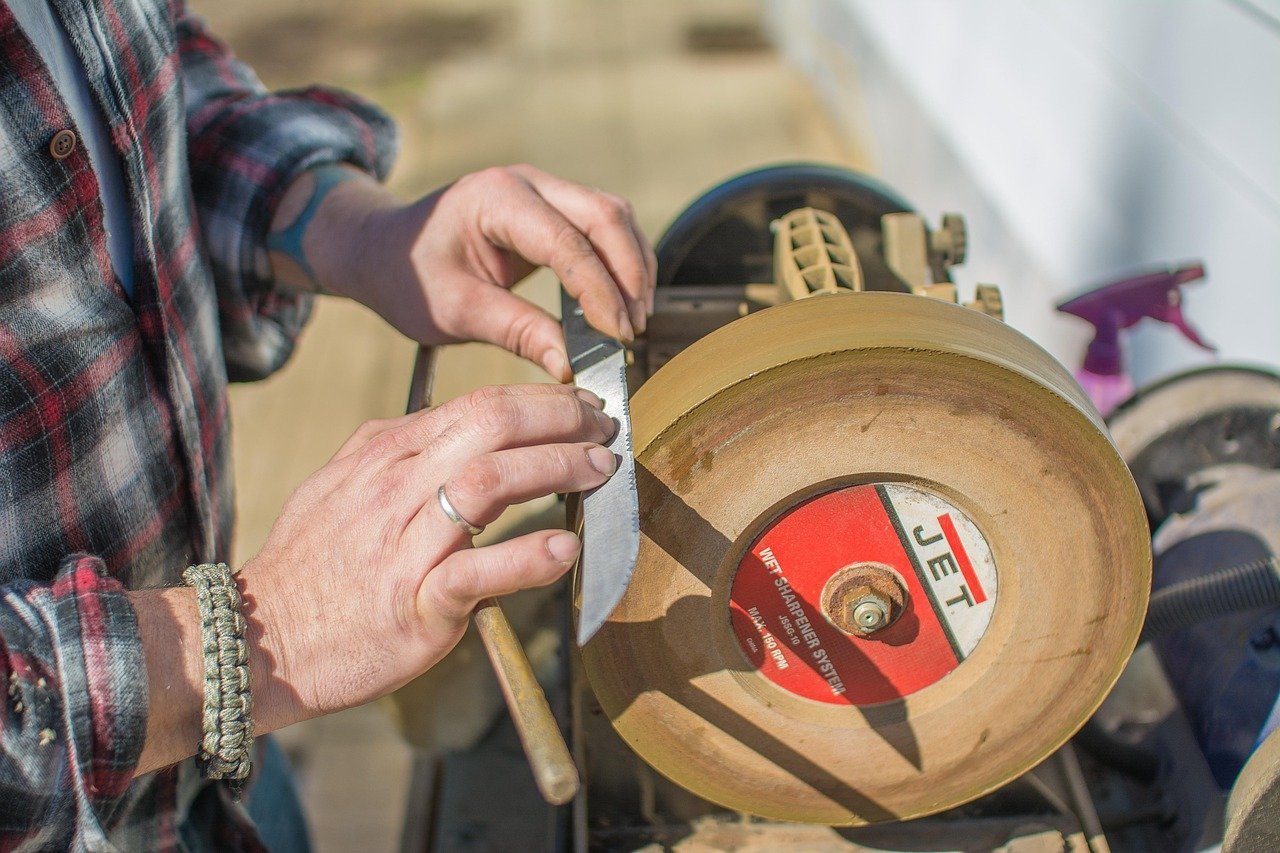
Electric knife sharpeners automate the sharpening process, using motorized components to sharpen knives quickly and with little physical effort from the user. They typically have pre-set angles and multiple stages for different levels of sharpening.
Advantages of Electric Sharpeners
Speed and Convenience: Electric sharpeners can sharpen a knife in less than a minute, making them perfect for busy kitchens or those who are short on time.
Consistency: Pre-set angles guarantee that users achieve consistent results every time, regardless of their skill level. This is crucial for maintaining a uniform edge.
Ease of Use: Most electric sharpeners require minimal input from the user, making them ideal for anyone who may lack experience in knife sharpening.
Suitable for All Knives: Many electric models are designed to sharpen different styles of knives, including serrated blades, which can be challenging for manual sharpeners.
Disadvantages of Electric Sharpeners
Limited Control: Electric sharpeners do not allow for the same level of fine-tuning as manual sharpeners. Users are reliant on the machine’s settings, limiting personalization.
Higher Cost: Typically, electric sharpeners are more expensive upfront than their manual counterparts. Additionally, they may require electricity, which can be a drawback in certain settings.
Risk of Over-Sharpening: Due to the automatic nature of electric sharpeners, it’s easy to accidentally over-sharpen a knife, which can lead to reduced blade life.
Maintenance Issues: Electric sharpeners can require maintenance or replacement parts, adding to the overall costs and time commitment.
Key Factors to Consider When Choosing
When deciding between manual and electric knife sharpeners, several factors come into play.
Skill Level: If you are a novice in the kitchen or lack confidence in your sharpening techniques, an electric sharpener may be the better choice. For those looking to develop their skills and enjoy the tactile experience of sharpening, a manual option is ideal.
Usage Frequency: If you sharpen your knives frequently, an electric sharpener may save you time. However, if you only sharpen occasionally, a manual sharpener may suffice.
Budget: Manual sharpeners are generally more affordable, while higher-quality electric models can be a noticeable investment. Consider how much you are willing to spend.
Knife Types: If you own a variety of knives, including specialty types, manual sharpeners offer versatility. Conversely, electric sharpeners may be limited in their ability to handle certain knife shapes or sizes.
Portability: Manual sharpeners are often more compact and better suited for travel or storage in smaller kitchens. Electric sharpeners take up more space and rely on access to electric outlets.
Final Thoughts
Choosing between manual and electric knife sharpeners ultimately depends on personal preference, skill level, frequency of use, and budget. Understanding the advantages and disadvantages of each can help you make a more informed decision, ensuring your knives remain sharp and ready for use.
Dive into the world of knife sharpening with a clearer perspective, whether you choose the hands-on approach of manual sharpeners or the efficient convenience of electric ones. Whatever you pick, maintaining your knives will enhance your cooking experience, bringing precision and safety to every meal.