


1. Bowie Knife
The Bowie knife, originally designed by Jim Bowie in the early 19th century, combines a traditional blade with a distinctive clip point and a crossguard. Measuring 12 to 15 inches overall, it features a wide, strong blade ideal for various tasks. Collectors appreciate the historical significance and craftsmanship behind authentic Bowie knives, which often come with decorative handles made from materials like stag horn or hardwood. Renowned brands such as Case and Cold Steel produce modern versions that mimic the original style, making this knife highly sought after by both collectors and outdoor enthusiasts.
2. African Throwing Knife
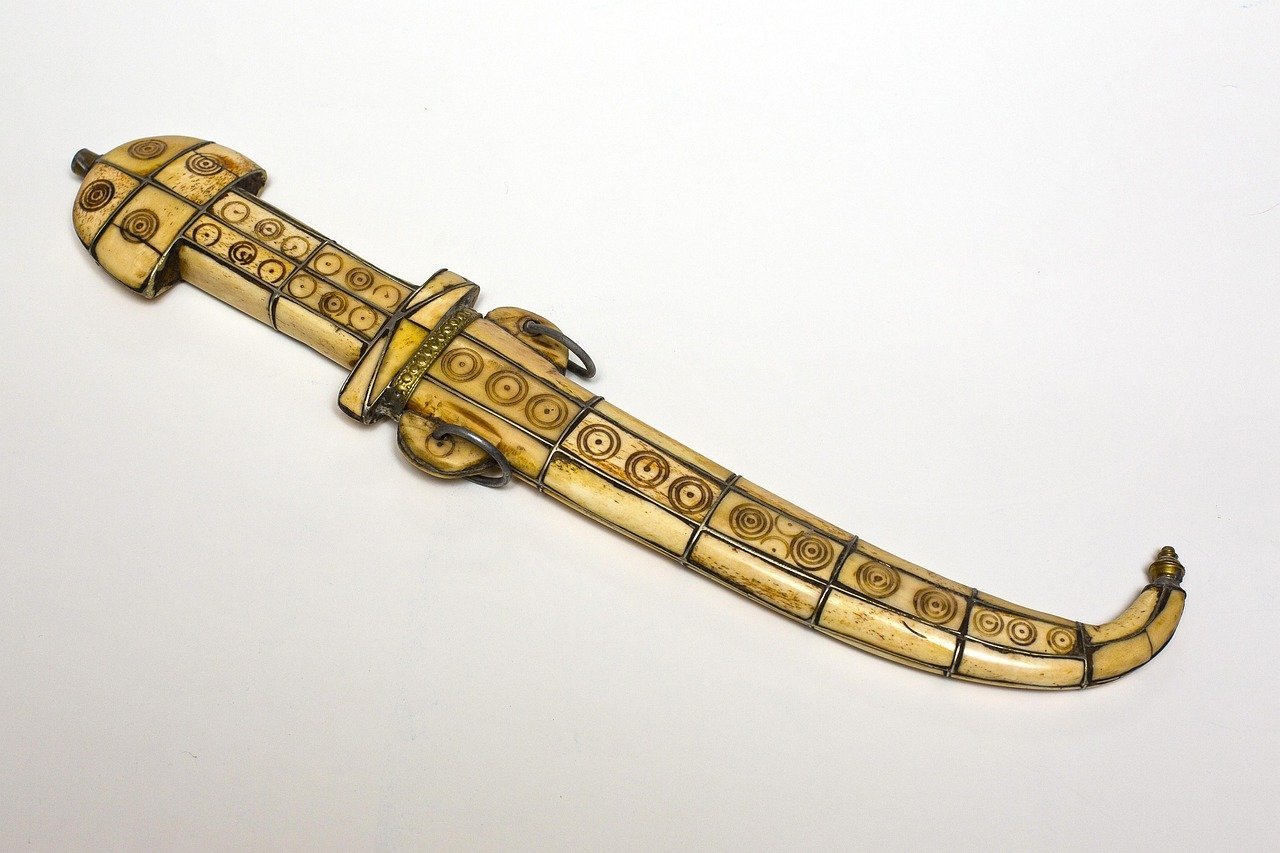
Known for their aerodynamic design and unique shapes, African throwing knives are a traditional weapon used by various cultures across the continent. These knives are not only functional but also handmade, often adorned with intricate carvings or tribal symbols. The most famous styles originate from the Ndumbi tribe in the Republic of Congo and the Zulu in South Africa. Collectors are drawn to their aesthetic appeal and cultural significance, with some models being particularly rare, increasing their value and desirability in private collections.
3. Kris Dagger
The Kris dagger, originating from Southeast Asia, particularly Indonesia and Malaysia, is recognized for its distinctive wavy blade. This ceremonial weapon is often embellished with intricate patterns and motifs, reflecting its historical and cultural importance. The Kris possesses spiritual significance, believed to hold magical properties. Collectors value both the craftsmanship and the stories embedded within each piece. Authentic Kris daggers can be quite rare, especially those with provenance, making them highly prized in ethnographic collections.
4. Dirk
The dirk, a traditional Scottish weapon, is characterized by its long, straight blade and is often used as a symbol of Scottish heritage. Historically, it served both as a sidearm and as a ceremonial dagger. Many collectors are particularly interested in 19th-century dirks detailed with intricate engraving and rich materials, like silver and ivory. The durability and beauty of these daggers make them a staple in any collection focused on historical weaponry.
5. Katana Tanto
The katana tanto, a smaller blade from the Japanese sword family, embodies the artistry of Japanese swordsmithing. With origins rooted in the samurai tradition, these daggers are often beautifully crafted and include a tanto blade, which resembles a smaller katana yet retains the same level of detail and craftsmanship. Collectors often seek tanto made from tamahagane steel, prized for its quality and finish. Many modern reproductions also pay homage to traditional techniques, accommodating a wide range of collectors, from enthusiasts to serious investors.
6. Chokuto
The chokuto, an ancient Japanese straight blade, predates the more widely known curved katana. Although less common, collectors treasure chokuto for its historical significance and unique design. These daggers are often made from high-carbon steel and feature a bo-hi (blood groove), enhancing their balance and aesthetic appeal. The rarity of authentic chokuto contributes to its desirability; many found in collections are well-preserved heirlooms passing through generations.
7. Pukko
Originating from the Nordic countries, the pukko is a traditional Finnish knife known for its functional design and simplicity. Typically featuring a straight, single-edged blade and a wooden handle, pukko knives were originally created for outdoor use. Contemporary versions often exhibit folk art engravings, attracting collectors interested in Nordic heritage. Because of their combination of beauty and practicality, these daggers make a versatile choice for collectors investing in traditional weaponry.
8. Pirate Cutlass
The pirate cutlass is both a weapon and a cultural symbol of piracy during the Golden Age of Piracy. Featuring a short, broad blade with a curved edge and a protective handguard, the cutlass was designed for close quarters combat aboard ships. Collectors admire the romanticized history associated with pirates and often seek replicas of renowned cutlasses, such as the one attributed to Blackbeard. Decorative and functional models abound, allowing collectors to appreciate the craftsmanship while indulging in historical narratives.
9. Balisong (Butterfly Knife)
The balisong, commonly known as the butterfly knife, originated in the Philippines. It features two distinct handles that rotate around the blade’s pivot point, allowing the user to deploy the blade with a flick of the wrist. Collectors value the intricate designs, often made from premium materials that include stainless steel or titanium. The balisong’s unique aesthetic combined with its fascinating flipping technique has led to a surge in popularity, making both vintage and custom models highly sought after within the collector community.
10. Tanto Dagger
The tanto dagger, not to be confused with the katana tanto, is a traditional Japanese blade recognized for its unique grip and durability. Typically around 10 inches long, the tanto is constructed from high-quality steel, often featuring a tanto-style tip suited for thrusting. Collectors appreciate tanto daggers for their historic value and often invest in pieces with ornate decorations, which underline the intricate craftsmanship. The popularity of tanto in contemporary Japanese martial arts also fuels interest among practitioners and collectors alike.
Final Considerations
When investing in daggers for a collection, consider factors such as historical provenance, craftsmanship, and condition. Each dagger type has its own story and cultural implications, making them not just collectibles but also pieces of history. Be sure to purchase daggers from reputable dealers or auctions, and always verify authenticity through proper documentation. As the market for collectible knives continues to grow, enthusiasts have more opportunities than ever to diversify and enhance their collections with these esteemed daggers.