


Understanding Knife Sharpening
Knife sharpening is a critical skill for anyone who frequently works with knives in the kitchen, at work, or for outdoor activities. Sharp knives not only ensure safety by reducing the chance of slips but also improve efficiency and precision. There are various methods for sharpening knives, each with unique advantages and disadvantages. This guide explores different knife sharpening techniques, helping you determine the right method for your needs.
1. Manual Sharpening Stones
Types of Stones
Sharpening stones, also known as whetstones, come in different grits and materials. Common types include:
- Water Stones: These are abrasive stones that require soaking in water before use. They offer quick material removal and are ideal for professional-grade blades.
- Oil Stones: Used with oil as a lubricant, these stones tend to be more durable and are suitable for hard steel knives.
- Diamond Stones: Extremely durable and fast-cutting, diamond stones come in both fixed and folding forms and are the best choice for harder steels.
Technique
To use a sharpening stone:
- Preparation: Soak water stones or apply oil to oil stones.
- Angle: Hold the knife at an angle of 15 to 20 degrees.
- Stroking: Slide the blade across the stone in a sweeping motion, applying light pressure. Alternate sides to ensure even sharpening.
- Finishing: Use a finer grit stone to hone the edge after rough sharpening.
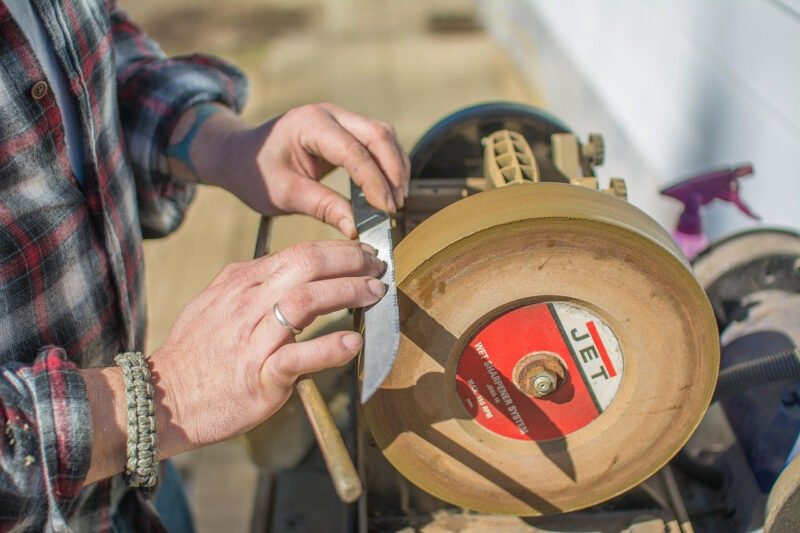
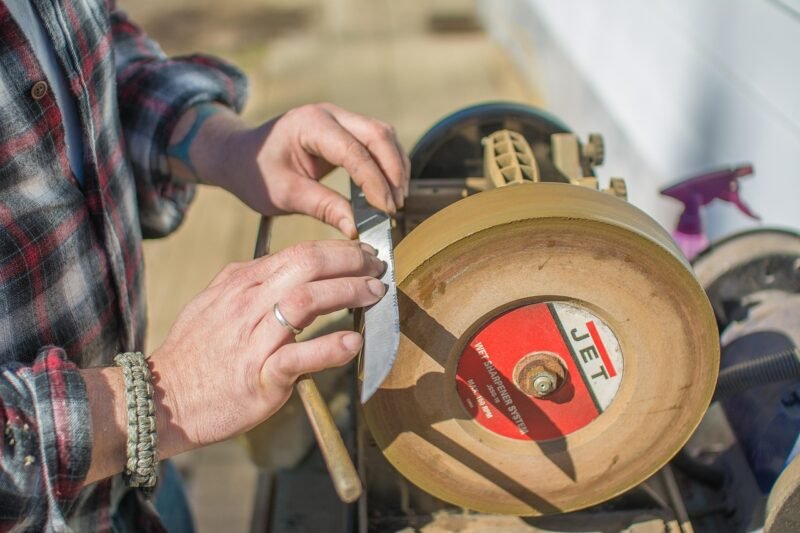
2. Electric Knife Sharpeners
Types of Electric Sharpeners
Electric sharpeners are user-friendly and designed for convenience. They come in various forms:
- Two-Stage Sharpeners: The first stage sharpens, while the second hones the blade.
- Three-Stage Sharpeners: In addition to sharpening and honing, a third stage finishes the edge using finer abrasives.
Advantages
Electric sharpeners eliminate the guesswork involved in maintaining the correct angle and can sharpen a knife in a matter of seconds.
Disadvantages
They can be less forgiving on blade edges, removing more material than necessary if not used carefully.
3. Manual Pull-Through Sharpeners
Description
Pull-through sharpeners consist of a V-shaped slot that holds your knife at the correct angle. Users pull the knife through the slot to sharpen it.
Pros
- Ease of Use: Ideal for beginners, as they simplify the sharpening process.
- Portability: Compact and easy to store, making them suitable for home kitchens and camping.
Cons
They may not provide a fine edge and can wear out over time if used incorrectly. Furthermore, the angle is fixed, which might not suit all types of knives.
4. Honing Rods
Purpose
A honing rod, often included with knife sets, isn’t a sharpening tool in the traditional sense. Instead, it realigns the blade’s edge, maintaining sharpness between sharpenings.
Technique
To use a honing rod:
- Angle: Hold the rod vertically, positioning the knife at a 15 to 20-degree angle.
- Stroking: Start at the heel of the knife and pull it down the rod, sweeping it toward you. Alternate sides for best results.
5. The Japanese Water Stone Method
Overview
For those seeking precision, Japanese water stones are an excellent choice. They come in varied grits and require water for optimal performance.
Technique
- Soak: Immerse the stone in water for about 10-15 minutes.
- Angle: Maintain a precise angle of 15 degrees.
- Stroke: Use a consistent, gentle stroke across the stone.
- Rinse: Clean the knife and the stone after sharpening for residue removal.
6. Leather Strops
Function
Strops are used after sharpening to polish the edge, aligning microscopic teeth for a razor-sharp finish. Typically made from leather, they can be loaded with polishing compounds.
Usage
- Belt Strops: Used horizontally to pull the knife’s edge along the leather.
- Flat Strops: Hold the strop at an angle and draw the knife across while maintaining pressure.
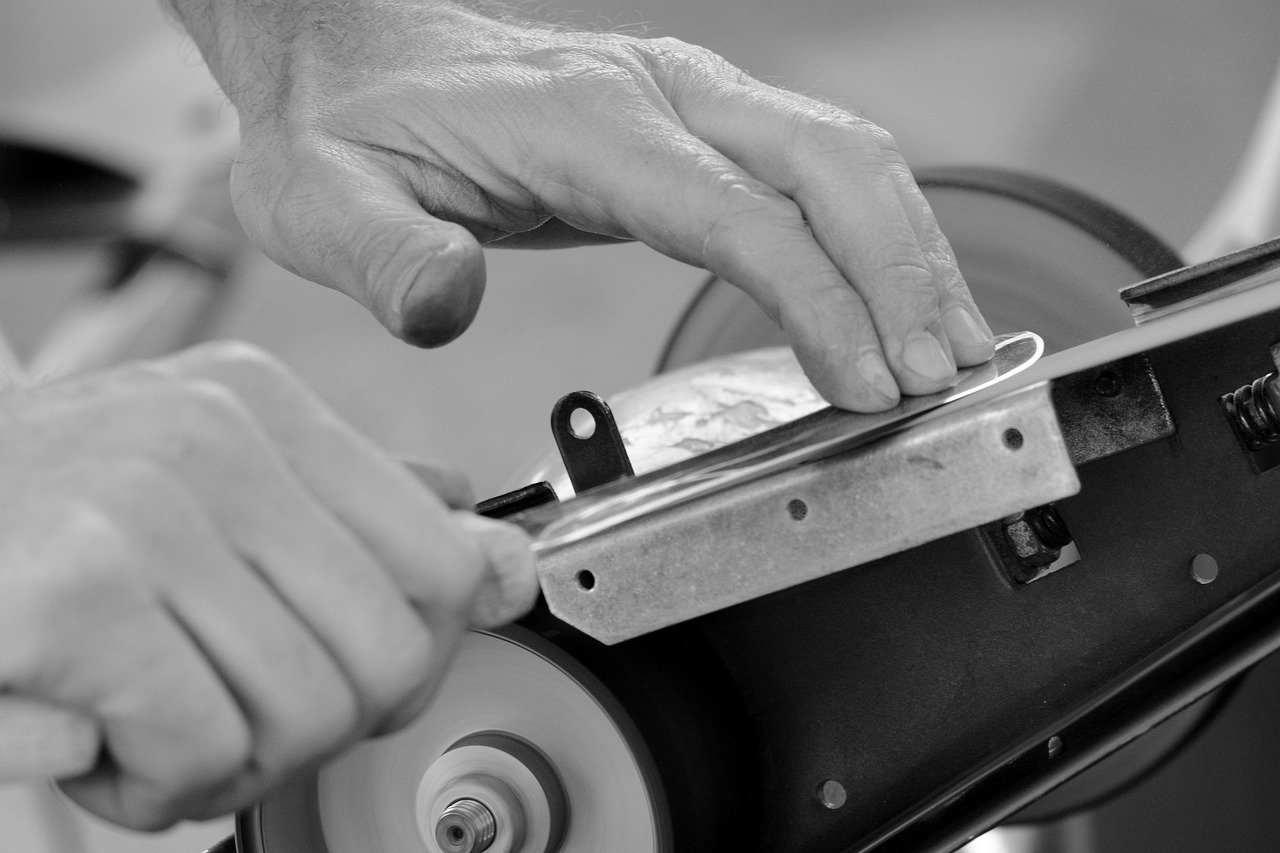
7. Guided Sharpeners
What Are They?
Guided sharpeners employ a mechanical system to maintain an angle, often utilizing rods that hold the knife at a pre-determined angle.
Benefits
- Consistency: Guarantees a uniform edge, eliminating user error.
- Variety: Some models allow users to adjust the angle, making them versatile.
8. Comparing Methods: Factors to Consider
When choosing a knife sharpening method, consider the following factors:
- Skill Level: Beginners may favor electric or pull-through sharpeners due to their simplicity. Experienced users may prefer sharpening stones for precision.
- Knife Type: Different blades may require specific sharpening techniques. For instance, Japanese knives usually perform better with water stones, while a Western knife may benefit from electric sharpeners.
- Time & Convenience: If time is essential, electric sharpeners provide quick results, whereas manual methods require more time and effort.
- Budget: Options range from basic pull-through sharpeners to high-quality water stones and electric systems. Set a budget to guide your purchase.
9. Maintenance Tips for Knife Sharpness
Ensuring that your knives maintain their sharpness involves more than just regularly sharpening them. Here are some tips:
- Proper Storage: Store knives in a wood block, magnetic strip, or blade guards to prevent dulling.
- Regular Honing: Use honing rods frequently to maintain the edge.
- Cleaning: Always clean knives after use and avoid putting them in the dishwasher, as the heat and detergent can dull the edges.
10. Conclusion on Knife Sharpening
Selecting the right knife sharpening technique boils down to your needs, experience, and knife types. Consider each method carefully, experiment, and find the one that provides the best results for you. This process not only ensures superior knife performance but also enhances your overall culinary experience.