



Understanding Blade Sharpeners
When it comes to maintaining the sharpness of knives, blades, and scissors, a blade sharpener becomes an essential tool in any kitchen or workshop. However, many users unwittingly make mistakes that can lead to ineffective sharpening or even damage their tools. Here are some frequent mistakes to avoid when using a blade sharpener.

Choosing the Wrong Type of Sharpener
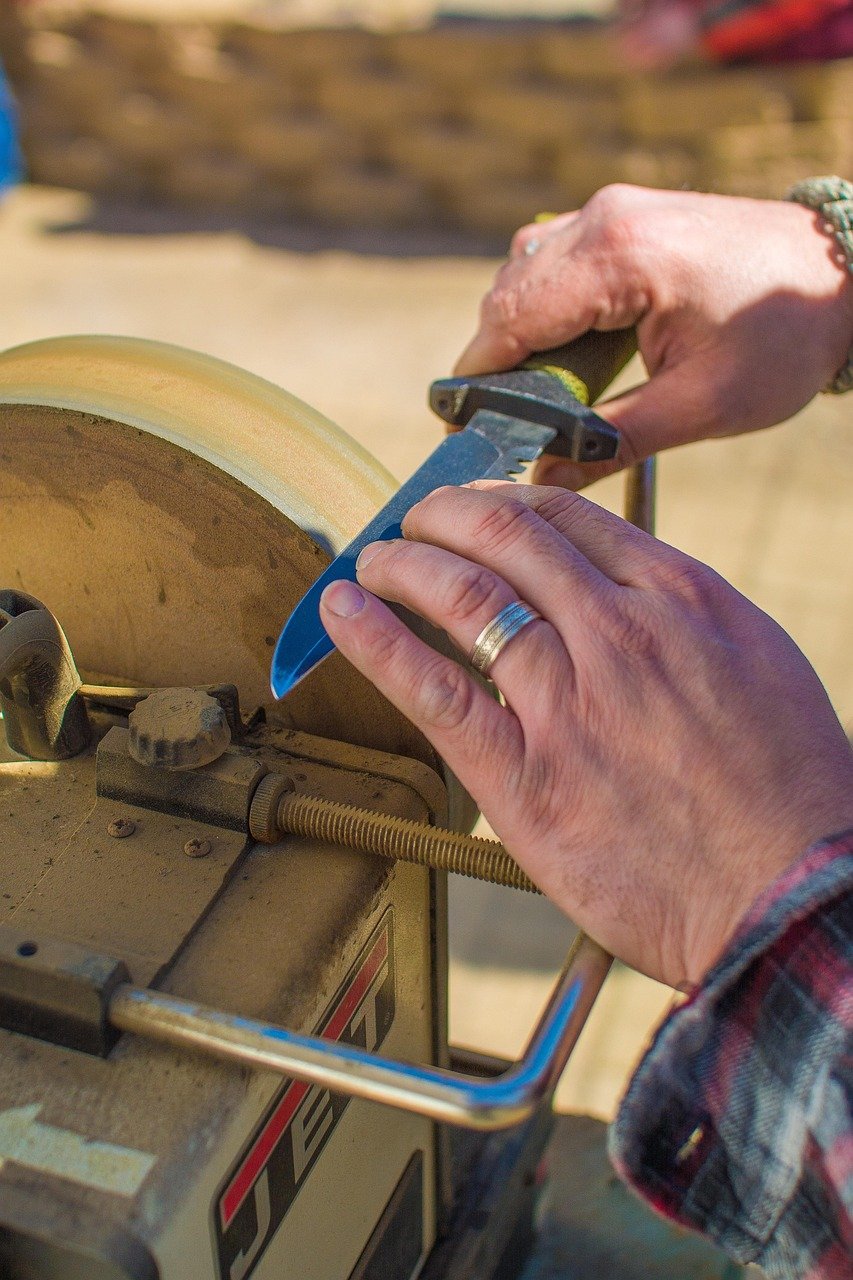
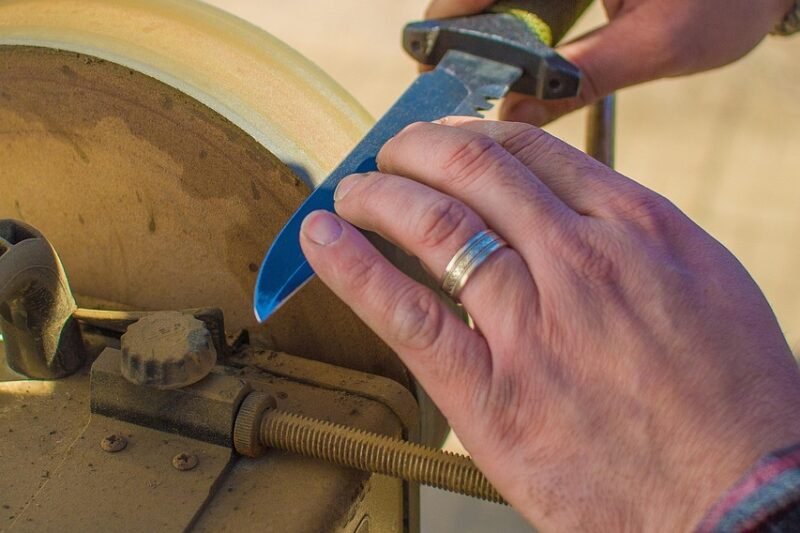
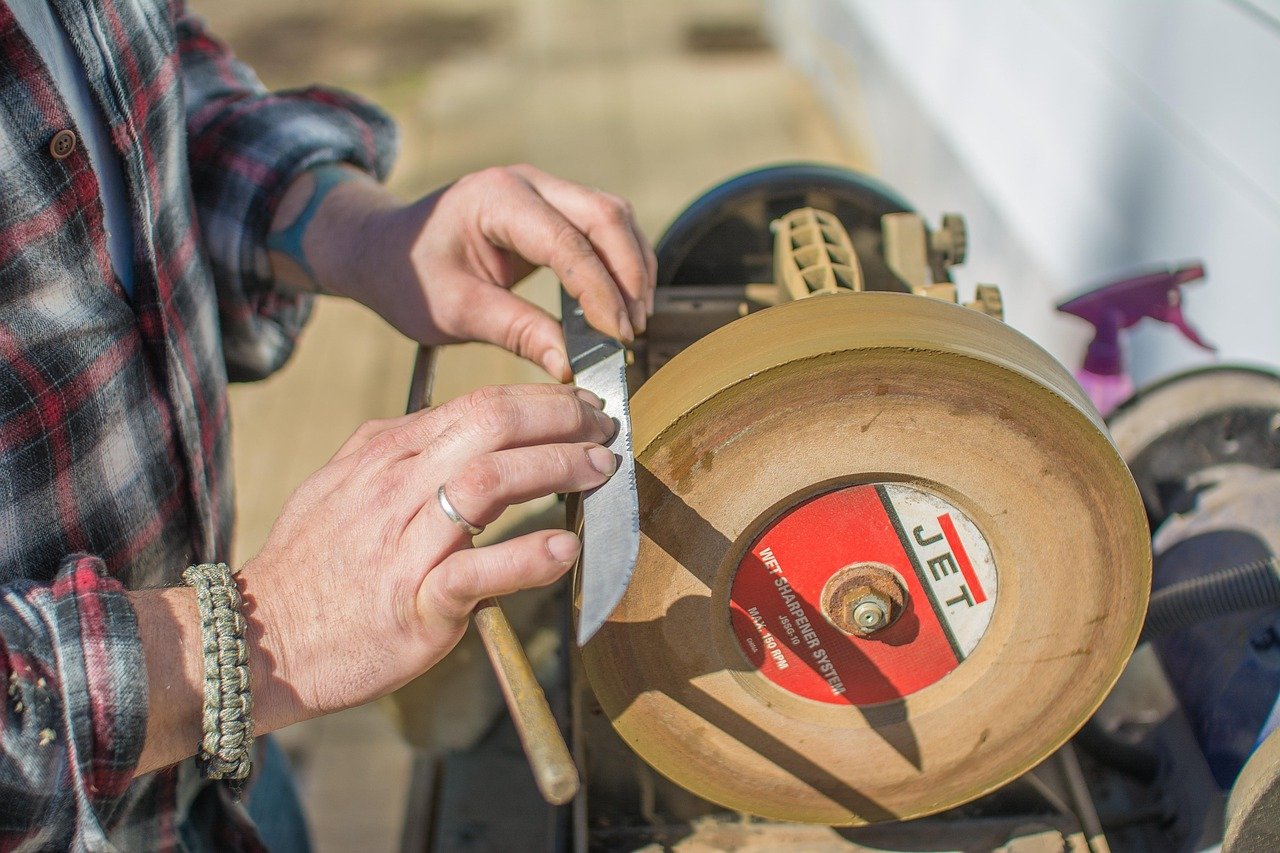
One of the first mistakes many people make is choosing the wrong type of sharpener for their blades. Blade sharpeners come in various forms: whetstones, electric sharpeners, and manual pull-through sharpeners. Each tool is designed for specific blade types and hardness. For instance, using an electric sharpener on a delicate blade can quickly ruin its edge. Research the requirements of your specific tools before selecting a sharpener.
Skipping Essential Preparations
Before sharpening, preparation is key. Many users jump straight to the sharpening without properly cleaning the blade. Neglecting to clean the blade of debris and buildup can lead to uneven sharpening, as dirt can prevent the sharpener from making full contact with the edge. Use a damp cloth to wipe your blade thoroughly before beginning the sharpening process.
Not Understanding the Angle
The angle at which you sharpen your blade profoundly impacts its sharpness and longevity. Different types of knives have different edge angles; for example, Japanese knives typically have an angle of 15 degrees, while Western knives may have edges of 20 degrees. Not adhering to these angles can lead to damaging the blade edge. Always ensure you’re sharpening at the correct angle for your specific knife type.
Over-Sharpening
Another common mistake is over-sharpening the blade. While it may seem harmless, repeatedly sharpening a blade can wear it down quickly, reducing its lifespan. Instead of frequent sharpening, focus on honing the blade with a honing rod to maintain its sharp edge between sharpenings. Frequent honing can prolong the time between necessary sharpening instances.
Applying Too Much Pressure
Those new to using sharpeners tend to apply excessive pressure when sharpening. Applying too much pressure can produce unwanted results, including uneven sharpening or damaging the blade. Sharpness is achieved through the right technique and patience. Light, consistent pressure allows the sharpener to do its job effectively without harming your blade.
Ignoring the Sharpening Process
Many users err by rushing through the sharpening process. Each stroke is critical and should be done with purpose. Take your time, and focus on even, slow strokes across the sharpener. This method not only ensures a finer edge but also reduces the risk of losing control of the blade, which can lead to accidents.
Not Checking the Blade
After sharpening, it’s crucial to check the blade for sharpness before putting it back into use. Many users fail to test the sharpness and then proceed to use a dull or improperly sharpened knife. A simple paper test—slicing through a piece of paper—can help determine whether the blade is sharp enough. A properly sharpened knife should slice through paper cleanly without tearing.
Neglecting Maintenance
Just as you must sharpen your blades, they also require regular maintenance to ensure optimal performance. Many users forget to oil their blades and sharpeners after use. Applying food-safe mineral oil on the blade helps prevent corrosion, while keeping your sharpener clean from metal shavings ensures that it remains effective for future use.
Using the Wrong Technique for Different Blades
Another frequent mistake is using the same sharpening technique across various types of blades without adjustment. Specialty knives, like serrated knives or ceramic knives, require different approaches for effective sharpening. Using a standard technique on serrated knives, for instance, might lead to an ineffective sharpening process. Ensure you’re familiar with how to sharpen each specific type of blade.
Overlooking Safety
Safety should always be a priority when handling sharp tools. Many individuals become careless and forget to utilize protective gear or proper techniques to avoid cuts and injuries. Always use a stable surface when sharpening, and wear cut-resistant gloves to protect your hands during the process. When using electric sharpeners, ensure that the power source is safe to avoid electrical injuries.
Disregarding Manufacturer Instructions
Neglecting to follow the manufacturer’s instructions often leads to disappointing results. Each sharpener comes with specific guidelines on how to use it effectively. These instructions are designed to provide the best outcomes while maximizing the lifespan of both the sharpener and the tools being sharpened. Familiarize yourself with these instructions thoroughly before attempting to use the device.
Ignoring Different Materials
Different metals and materials react diversely when sharpened. For instance, high-carbon stainless steel blades will require a different sharpening approach compared to ceramic blades. Understanding the type of metal can help you select the appropriate sharpener and technique. Failure to recognize the material can lead to ineffective sharpening or damage.
Avoiding Regular Habit
Using a sharpener should not be a sporadic chore but rather a regular maintenance habit. Many people wait until their knives are incredibly dull before deciding to sharpen them. By integrating sharpening into your routine—as you would with washing dishes—you can maintain optimal performance with minimal effort. Regular maintenance ensures your blades remain functional and sharp for everyday tasks.
Not Practicing
Finally, one of the least recognized mistakes is not practicing enough. Blade sharpening is not an intuitive skill. It requires time, patience, and repetition to master. Take the time to practice on less expensive or older blades to understand your sharpener’s nuances before sharpening more valuable tools. Developing a feel for the process will ultimately enhance your sharpening skills.
By avoiding these common mistakes, you can extend the life of your knives and ensure they perform at their best. Sharpening blades correctly not only enhances their efficiency but also contributes to safer cooking and working experiences. Prioritize learning and mastering the art of blade sharpening for optimal results.