




The Importance of Eco-Friendly Blade Sharpeners
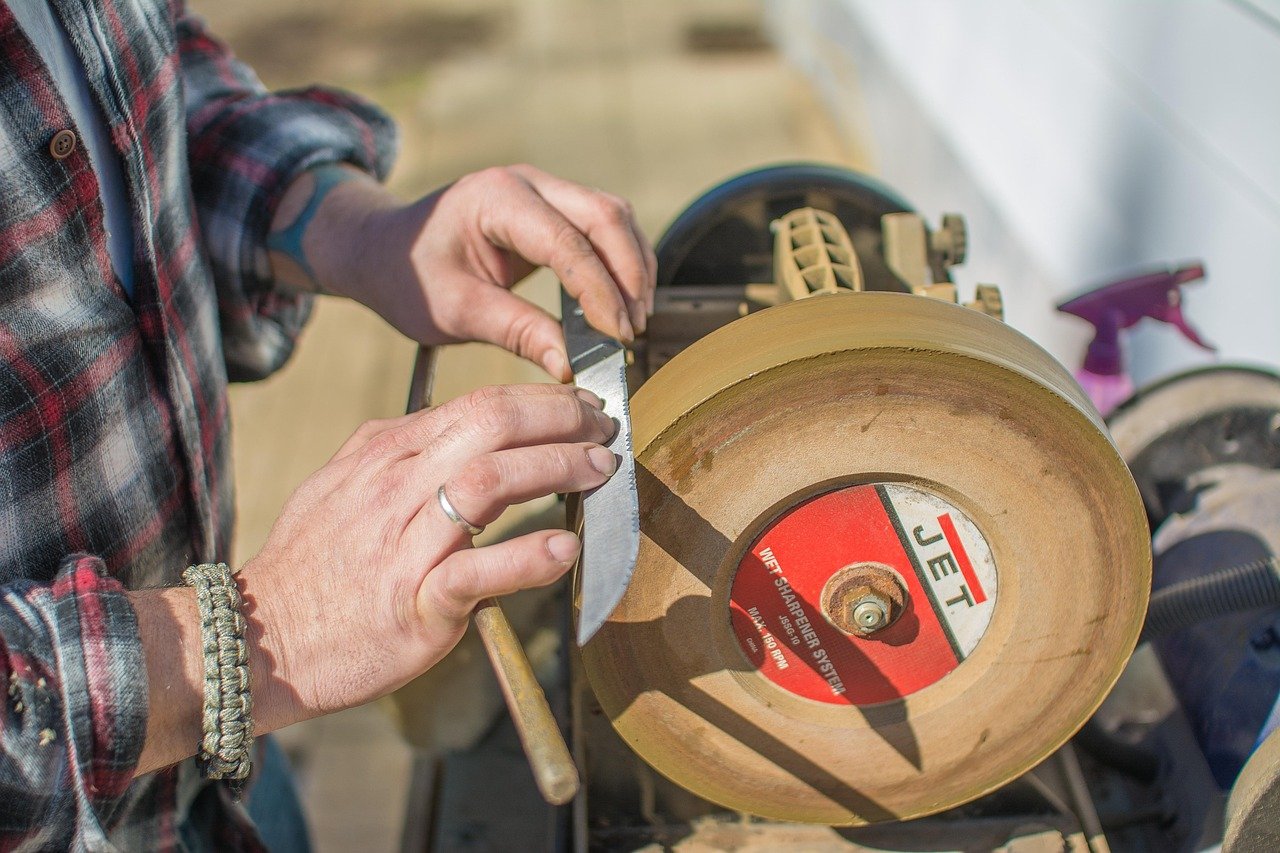
In a world increasingly focused on sustainability, the kitchen is no exception. Eco-friendly blade sharpeners have emerged as a smart choice for individuals committed to reducing their environmental footprint. These products not only enhance the longevity of knives but also reflect a commitment to sustainable practices. Here, we explore the various types of eco-friendly blade sharpeners available, their benefits, and how to choose the right one for your kitchen.

Types of Eco-Friendly Blade Sharpeners
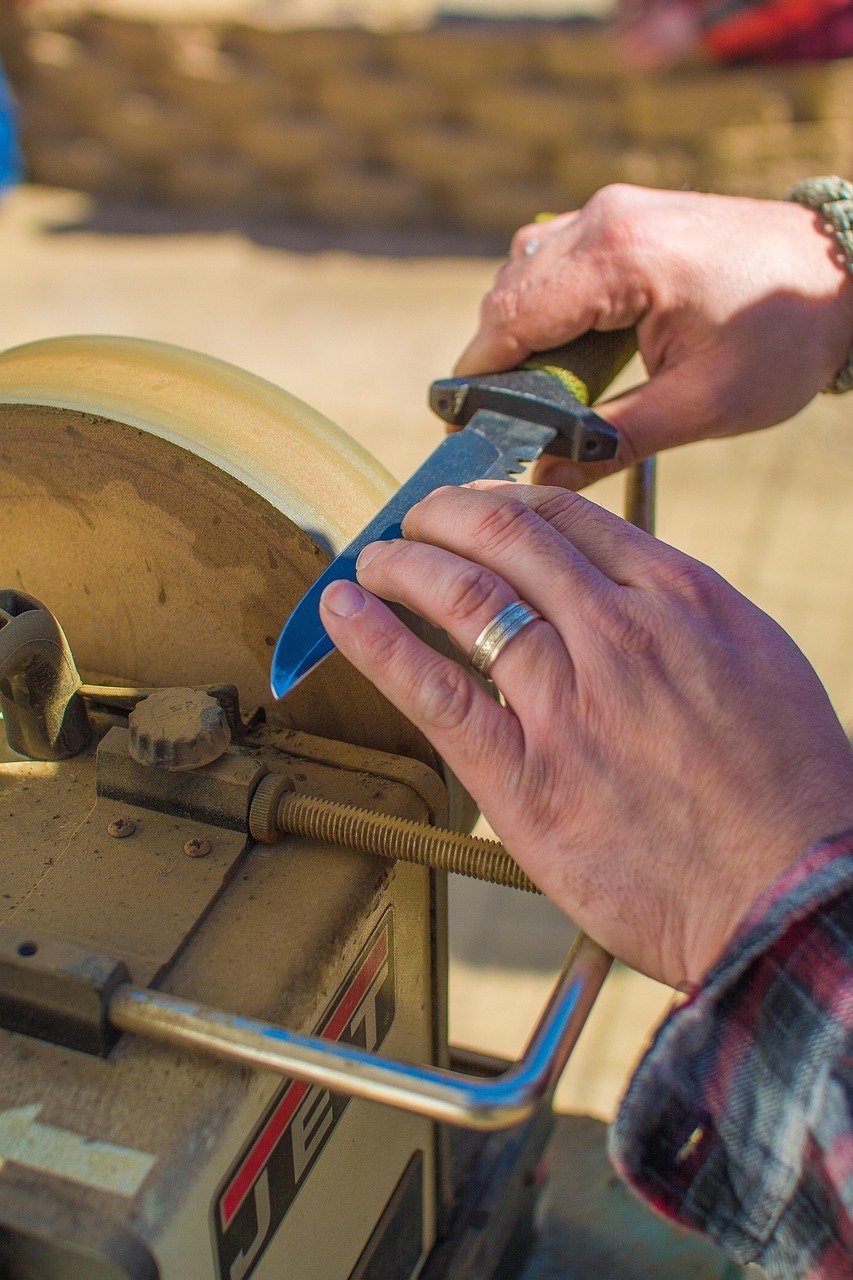
Manual Sharpeners
- Material Composition: Many manual sharpeners use natural materials such as wood, quartz, or ceramics, which have lower carbon footprints compared to synthetic options.
- Functionality: Manual sharpeners require physical effort and skill, allowing you to have full control over the sharpening process. This hands-on approach often leads to a greater appreciation for knife maintenance.
Electric Sharpeners
- Energy Efficiency: While electric sharpeners consume power, newer models are designed to be energy-efficient. Look for those that have a low energy consumption rating.
- Sustainable Manufacturing: Brands focusing on eco-friendly practices will often use recycled materials in their electric sharpeners, minimizing unnecessary waste.
Water Stones
- Natural Abrasives: Water stones are made from natural materials, often clay or other earthen materials. They require water as a lubricant, making them an eco-friendly choice that eliminates the need for oils or other synthetic honing compounds.
- Durability: These stones can last for decades with proper care, reducing the frequency of replacement and encouraging long-term knife use.
Diamond Sharpeners
- Sustainable Sourcing: Research brands that source their diamond sharpening surfaces ethically, as high-quality diamonds are available without compromising environmental standards.
- Efficiency: Diamond sharpeners remove less material from blades than traditional methods, resulting in longer knife life, which ultimately contributes to sustainability.
Benefits of Eco-Friendly Blade Sharpeners
1. Reduced Environmental Impact
Using eco-friendly sharpeners minimizes waste and decreases reliance on non-renewable resources. By choosing products made from sustainable materials, you directly contribute to a healthier planet.
2. Longevity of Kitchen Tools
Sharpening blades with eco-conscious tools can help extend the life of your knives. Using systems like water stones or manual sharpeners allows for precision care, fostering an awareness of the importance of keeping your kitchen gear in excellent condition.
3. Cost-Effective
Investing in a high-quality eco-friendly blade sharpener can save money over time. Instead of constantly replacing dull knives or purchasing disposable sharpeners, consider a sustainable option that will last years and maintain the performance of your tools.
4. Healthier Cooking
Sharp knives promote safer cooking practices. A well-sharpened knife requires less force to cut and is less likely to slip, reducing the chances of accidents in the kitchen.
Features to Consider When Buying Eco-Friendly Sharpeners
1. Material Quality
Investigate the materials used in the sharpener’s construction. Opt for products made from recycled or natural components rather than those sourced from plastics or non-renewable materials.
2. Ease of Use
Consider your proficiency with knife sharpening. For beginners, easy-to-use manual sharpeners or guided systems can be beneficial. For experienced chefs, water stones provide a customizable sharpness level but require a deeper understanding of the technique.
3. Maintenance Requirements
Though many eco-friendly options require less frequent replacement, they still need care to maintain their efficacy. Look for sharpeners that are easy to clean and store, minimizing additional waste or effort.
4. Brand Ethics
Research brands for their environmental policies, including their supply chain practices and commitment to sustainability. Certifications from reputable organizations can help ascertain a product’s eco-friendliness.
Popular Eco-Friendly Blade Sharpener Brands
Global Knives
- Sustainability Practices: Global is known for its commitment to reducing waste, including a robust recycling program for their products.
- Product Range: They provide a range of sharpeners, from manual to electric, targeting environmentally conscious consumers.
DMT (Diamond Machining Technology)
- Quality Assurance: DMT focuses on creating durable, long-lasting diamond sharpeners that reduce the need for replacements.
- Eco-Friendly Manufacturing: Their processes incorporate recycled materials and are energy efficient.
Hapstone
- Innovative Design: Known for their adjustable knife sharpening systems, they promote sustainability by allowing users to sharpen blades of different types without needing multiple sharpeners.
- Customer Engagement: Hapstone actively engages in sustainable practices and promotes knife maintenance education to minimize waste.
Smith’s Consumer Products
- Focus on Manual Sharpeners: Offering a variety of manual options, Smith’s products are widely considered sustainable due to their simplicity and long lifespan.
- Communications on Sustainability: They provide transparency regarding their sourcing and manufacturing processes.
Tips for Extending the Life of Your Blade Sharpeners
- Regular Maintenance: Clean your sharpeners after each use to avoid buildup, which can hinder performance.
- Proper Storage: Keep your sharpeners in a dry place to prevent damage from moisture or other elements.
- Educate Yourself: Understanding the nuances of sharpening can improve your technique and extend the lifespan of both your knives and their sharpeners.
Conclusion: Cultivating Sustainable Kitchen Practices
With the increasing availability of eco-friendly blade sharpeners, there is no better time to invest in sustainable options for your kitchen. By choosing products that prioritize the environment and your needs, you contribute to a greener future while enhancing your cooking experience. In a sustainable kitchen ecosystem, every tool matters, and making informed choices today can benefit both your culinary endeavors and the planet.