


The Importance of Sharp Knives in Cooking
Cooking is as much an art as it is a science, and sharp knives play a crucial role in mastering both aspects. A dull blade can turn the most straightforward culinary tasks into arduous challenges, affecting everything from presentation to flavor release. Sharp knives make prep work easier and faster, enhancing the overall cooking experience.
Types of Blade Sharpeners
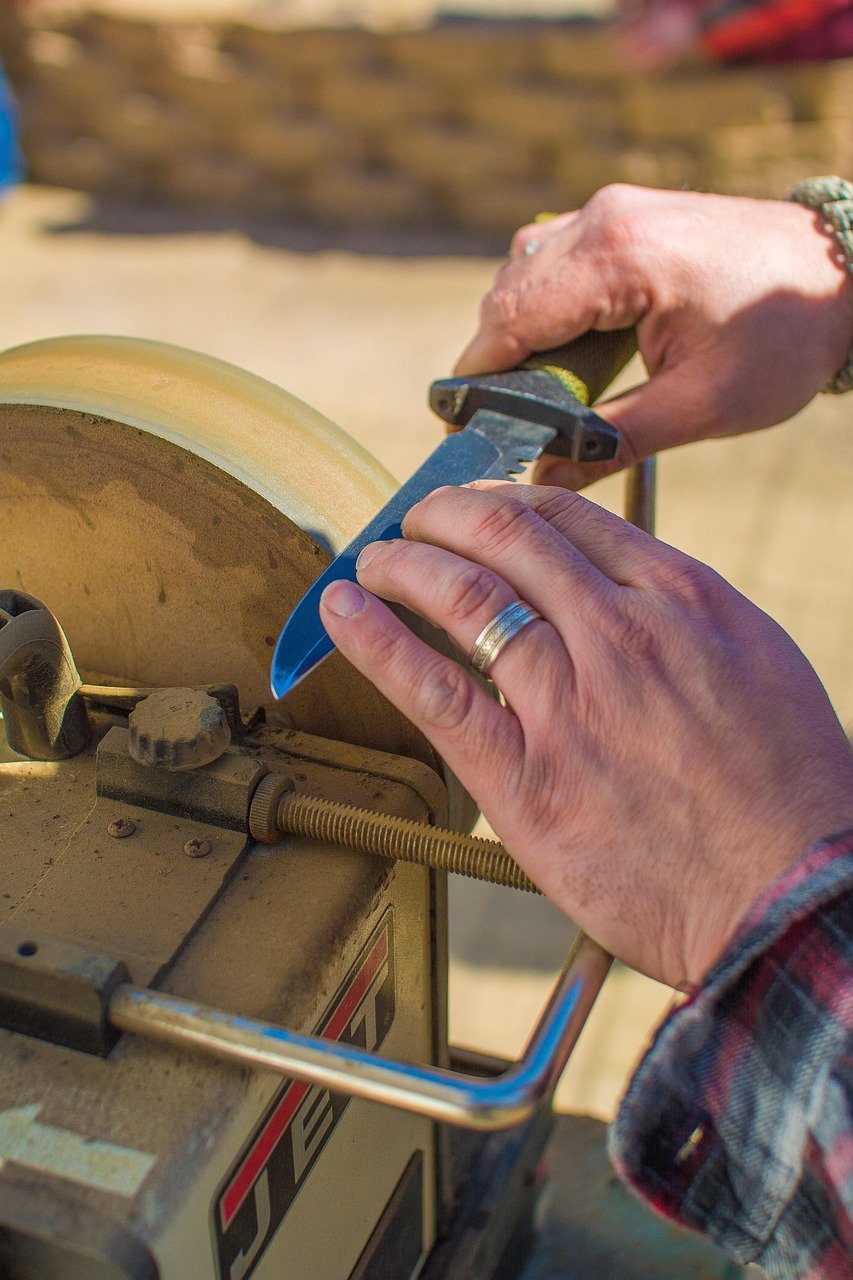
Choosing the right blade sharpener can significantly influence your culinary results. Here’s a breakdown of various types available on the market:
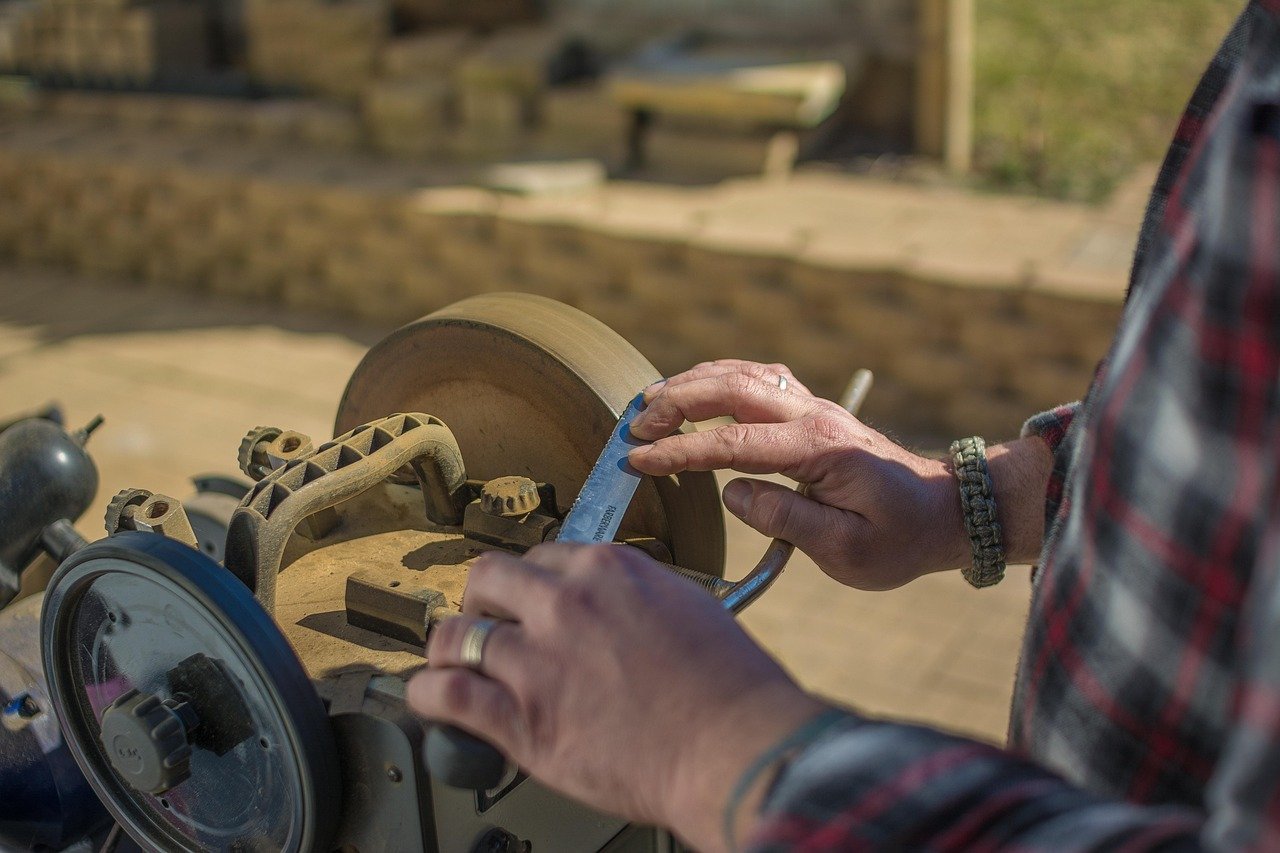
Whetstones: Traditional yet highly effective, whetstones offer a versatile sharpening method. Available in various grits, they can sharpen and polish blades, making them ideal for experienced cooks who appreciate craft.
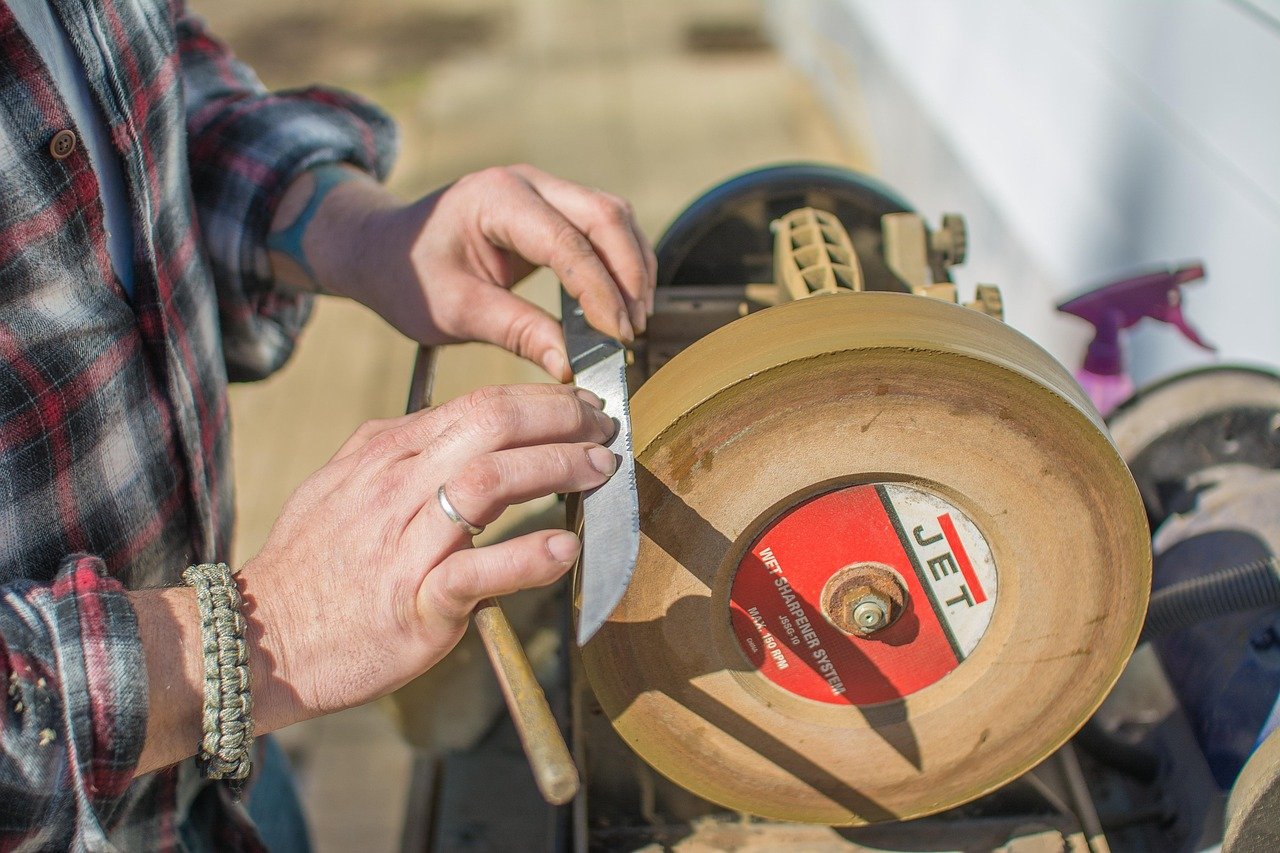
Electric Sharpeners: Perfect for those seeking quick and easy blade maintenance, electric sharpeners provide consistent results. They’re user-friendly and require minimal effort, making them appealing to home cooks and busy chefs alike.
Manual Sharpeners: Often portable and compact, manual sharpeners feature carbide and ceramic rods to sharpen blades. They are generally affordable and effective, catering to occasional cooks who may not need heavy-duty sharpening solutions.
Honing Rods: Unlike sharpeners, honing rods align the edge of the blade rather than remove material. Using a honing rod after each cooking session can help maintain sharpness and prolong periods between sharpening.
Benefits of Using Sharp Knives
Improved Precision: Sharp knives cut cleanly and effortlessly, allowing for precise movements. Whether you’re julienning vegetables or filleting fish, precision is critical in achieving desired textures and presentations.
Safety: Dull knives are more dangerous than sharp ones. A dull blade requires more force, increasing the chance of slipping and leading to accidents. Sharp knives cut through food easily with minimal pressure, reducing the likelihood of injuries.
Time Efficiency: Cooking often requires chopping, slicing, and dicing, which can be time-consuming with dull blades. A sharp knife can dramatically speed up preparation time, allowing cooks to focus on cooking rather than struggling with tools.
Enhanced Flavor: Sharp knives allow for cleaner cuts, which can minimize cellular damage to fruits and vegetables. This preservation of structure helps maintain flavor, freshness, and appearance. For example, slicing tomatoes with a sharp knife prevents squishing, keeping their juices and flavors intact.
Better Food Presentation: Aesthetic appeal is vital in culinary arts. Sharp knives enable you to create clean, uniform cuts that elevate the appearance of dishes. Whether you’re preparing garnishes or plating multiple components, presentation can impress guests and enhances the overall dining experience.
How to Properly Maintain Sharp Knives
Regular Sharpening: Establish a routine for sharpening your knives. Depending on usage, aiming to sharpen every few weeks is advisable for home cooks. Professional chefs may need to do it even more frequently.
Use the Right Technique: When using whetstones, the angle of sharpening plays a vital role. Generally, a 20-degree angle is standard, but adjusting based on the knife type can yield better results. For electric and manual sharpeners, follow the manufacturer’s recommendations.
Storage Matters: Proper knife storage protects blades from becoming dull. Use knife blocks, magnetic strips, or blade guards to prevent the edges from chipping or dulling.
Cleaning and Drying: Always wash your knives by hand and avoid dishwashers, as heat and abrasive materials can dull blades. Immediately dry your knife after washing to prevent rust and maintain sharpness.
Honing Regularly: Regular honing after each use can help keep your knife in optimal condition between sharpenings. A honing rod can align the blade edge, ensuring that your knife remains sharp for longer.
Choosing the Right Sharpener
As with any culinary gadget, personal preference and cooking style dictate your choice of knife sharpener. Here’s a quick guide:
- For casual cooks, a simple manual sharpener or honing rod offers convenience without complexity.
- Enthusiastic home cooks may gravitate toward whetstones, which require technique but offer excellent results.
- For busy professionals, electric sharpeners provide quick maintenance to keep up with the demands of a fast-paced kitchen environment.
Investing in Quality Knives
A well-crafted knife can enhance your cooking experience dramatically. Investing in high-quality knives that fit your cooking style is essential. Look for reputable brands and ensure the knives are well-balanced, comfortable to handle, and easy to sharpen.
Integrating Knife Skills
As you improve your knife skills, a good sharpener is a key tool. Practicing proper knife techniques enhances control, making every cutting task feel intuitive. Start by mastering basic cuts, such as julienne, dice, and chiffonade, to elevate your culinary skills.
Conclusion on the Culinary Impact of Blade Sharpeners
In the world of cooking, the impact of knife sharpness cannot be overstated. Blade sharpeners enhance precision, safety, efficiency, and food presentation, transforming meal preparations into joyful experiences. Invest in a reliable sharpener that fits your needs and maintains those knives with care, significantly improving your culinary adventures. By prioritizing blade maintenance, you can elevate your cooking, resulting in delicious meals and memorable dining experiences.
With sharp knives at your disposal, you’ll find yourself enjoying the entire cooking process more, fostering creativity in the kitchen and crafting dishes that reflect both skill and passion.