




Blade Sharpener Maintenance: Keeping Your Tools in Top Shape
Understanding Blade Sharpeners
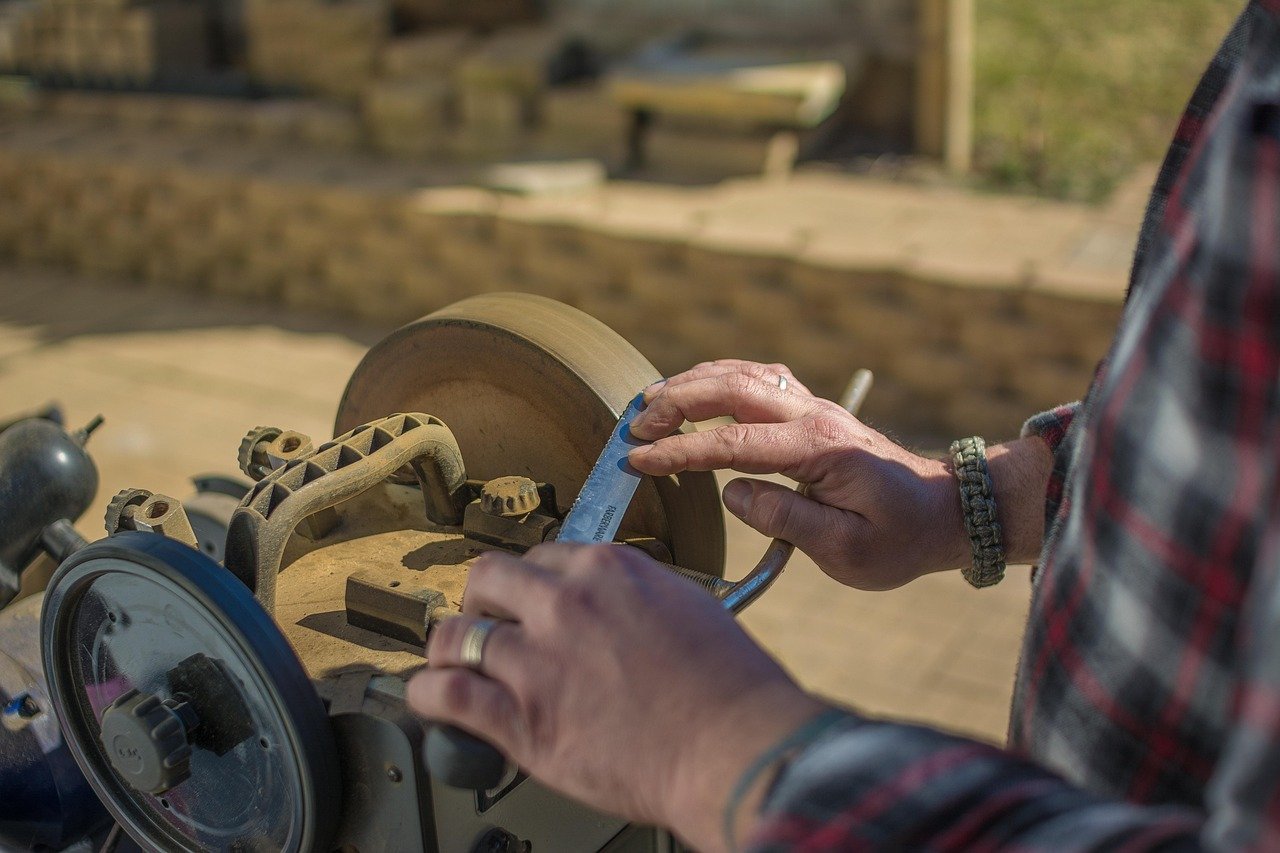
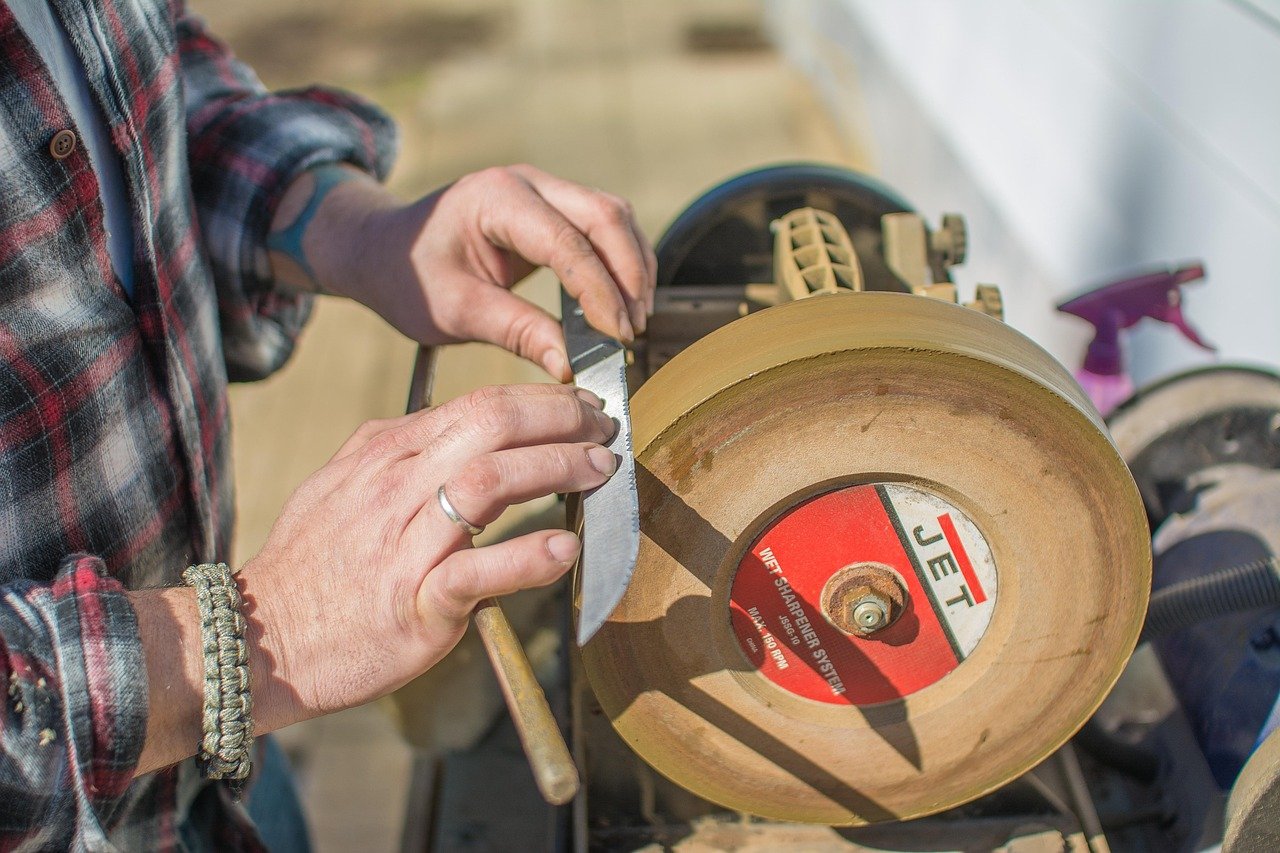
A blade sharpener is an essential tool for anyone who works with blades, whether in woodworking, metalwork, or culinary settings. Keeping these devices in optimal condition affects not only their performance but also the longevity of the blades they sharpen. Maintenance of blade sharpeners requires attention to detail and a proactive approach.
Types of Blade Sharpeners
Manual Sharpeners
- Whetting stones, honing rods, and manual pull-through sharpeners made of ceramics or tungsten carbide fall under this category.
Electric Sharpeners
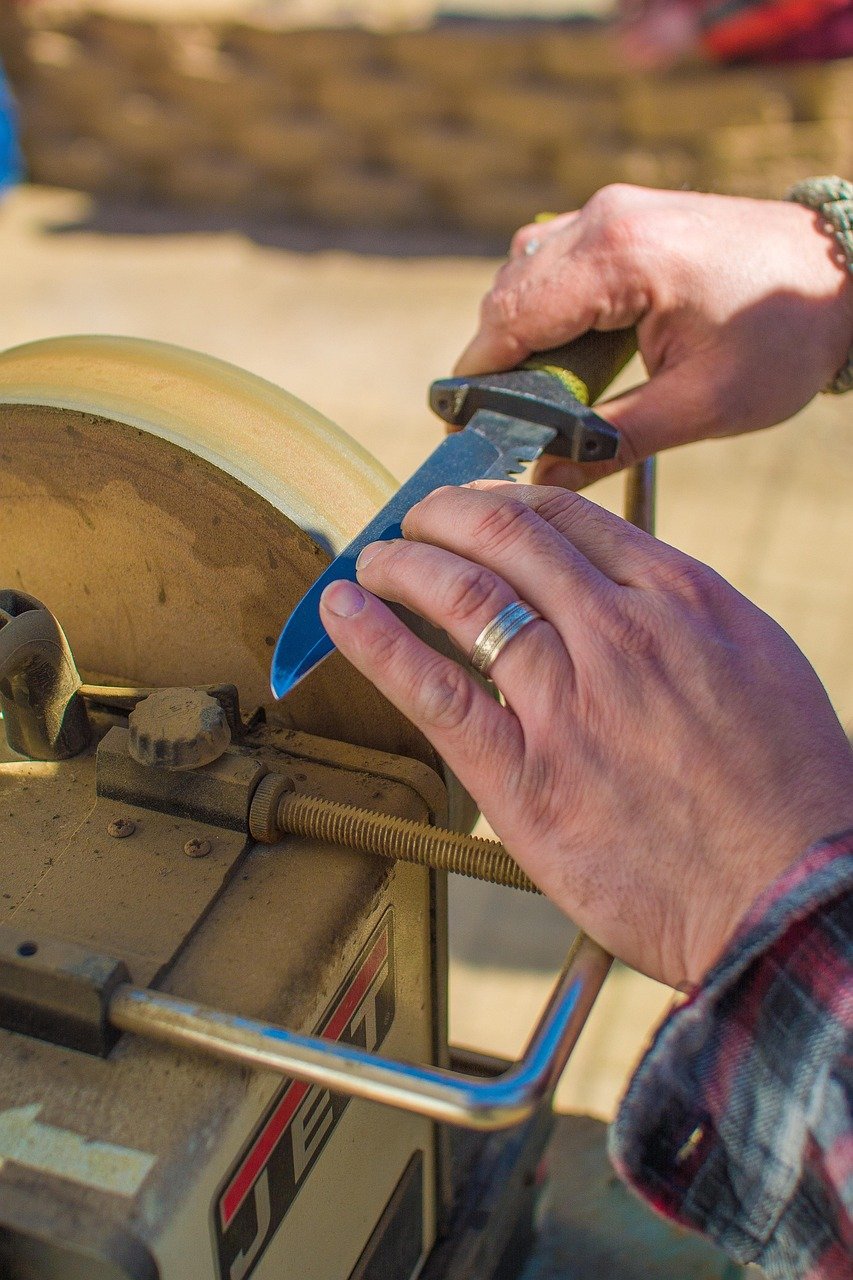
- These sharpeners often have two or more grinding wheels and are designed for speed and efficiency.
Professional Grinding Tools
- Used mainly in industrial settings, these require specialized maintenance procedures due to their complexity.
Essential Maintenance Steps
1. Regular Cleaning
Keep your sharpener clean to prevent the accumulation of metal particles, debris, and oils that can impair performance. Here’s how to do it:
Manual Sharpeners
- Use a brush to remove metal shavings and dirt. A soft cloth can be used with warm, soapy water to clean the surfaces. Rinse and dry thoroughly.
Electric Sharpeners
- Unplug the device, then use a soft brush or vacuum attachment to clear out metal filings. Clean the exterior with a damp cloth, but avoid getting moisture into the electrical components.
2. Inspect for Wear and Tear
Regularly check your sharpener for signs of damage or excessive wear:
Grinding Wheels
- For electric sharpeners, examine the grinding wheels for flat spots, cracks, or wear. Replace them if they show significant degradation.
Stones and Rods
- Manual sharpeners like whetting stones should display even wear. Look for deep grooves that affect sharpening accuracy.
3. Proper Storage
How and where you store your sharpener can dramatically influence its lifespan:
Dry Environment
- Moisture can lead to rust on metal parts. Always store sharpeners inside a dry, temperature-controlled environment.
Protective Cases
- If possible, use protective cases for manual sharpeners. For electric sharpeners, maintaining the original packaging or investing in a durable, covered storage solution is advisable.
4. Replacing Parts
Know when to replace individual components to keep your sharpener functioning optimally:
Electric Wheel Changes
- Follow the manufacturer’s guidelines for replacing grinding wheels. This often involves unscrewing or unclipping the unit—always consult the manual for specific instructions.
Manual Stone Replacement
- For whetstones, higher-grade materials can last longer. However, you should replace them once they can no longer achieve a sharp edge.
5. Calibration and Alignment
For precision sharpeners, regular calibration is crucial for maintaining sharpness standards.
Electric Sharpeners
- Check the alignment of the grinding wheels. Misalignment can lead to uneven sharpening, causing damage to blades. Refer to guidelines provided by the manufacturer regarding calibration.
Manual Devices
- Ensure that sharpening angles are consistent. Misalignment can undermine the effectiveness of the sharpener.
6. Lubrication
Certain parts of blade sharpeners require periodic lubrication to ensure smooth operation:
Electric Sharpeners
- Use light machine oil on moving parts as specified by the manufacturer. This can prevent overheating and friction damage.
Manual Systems
- Many manual sharpeners do not require lubrication, but ensuring that parts move freely without rust is essential.
7. Seasonal Maintenance
Consider doing a thorough check every season, especially if you use your sharpeners frequently. Seasonal maintenance can prevent buildup and rust accumulation:
- Winter Check
- Cold weather can lead to deterioration. Perform an additional inspection before you begin heavy crafting or cooking seasons.
8. User Education
Understanding how to use your sharpener correctly can significantly reduce wear and improve the longevity of both the sharpener and your blades:
Correct Techniques
- Help users understand the importance of maintaining the correct angle when using manual sharpeners. Electric sharpeners often remove material faster; therefore, improper handling can hurt both the sharpener and the blade.
Safety Protocols
- Always emphasize safety. Users should wear protective eyewear and gloves as necessary, especially when handling power tools.
9. Recognizing Signs of a Deteriorating Sharpener
Be vigilant about recognizing when a sharpener is past its prime:
Decreased Performance
- If blades aren’t sharpening effectively, it may indicate that the sharpener requires attention or replacement.
Visual Damage
- Any visible cracks, rust, or severe wear should prompt immediate action.
10. Investing in Quality Equipment
While maintenance is essential, investing in high-quality sharpeners can reduce the frequency of maintenance required:
Brand Considerations
- Research reputable brands known for durability. Higher initial investments often pay off through longevity and performance.
Material Quality
- Opt for sharpeners made of high-grade steel or advanced ceramics that can withstand rigorous use.
11. Documentation and Manuals
Keep documentation handy, and regularly consult the manufacturer’s manual. The manual usually contains specific maintenance advice, and keeping records of any repairs or replacements can be beneficial for long-term care.
12. Professional Servicing
For complex equipment or high-end sharpeners, consider seeking professional servicing. Technicians will provide thorough inspections and maintenance, identifying unseen issues.
By incorporating these maintenance steps, you can ensure your blade sharpener remains in optimal condition. Prioritizing regular upkeep enhances performance while extending the lifespan of both your sharpener and the blades it tends to. Proper understanding of the nuances of each sharpener type further refines your maintenance strategy, ultimately leading to improved results in your crafting or cooking endeavors.