


Your Essential Guide to Choosing a Chef’s Knife
Understanding the Importance of a Chef’s Knife
A chef’s knife is often considered the most essential tool in any kitchen. A good chef’s knife can enhance your cooking experience, enabling precision and efficiency in food preparation. Investing in a quality knife can significantly impact not only the ease of cooking but also the quality of your dishes.
Knife Materials
1. Blade Composition
Chef’s knives typically come in a variety of blade materials. The most common include:
Stainless Steel: Known for its resistance to rust and corrosion, stainless steel is an excellent choice for those who value low maintenance. However, lower-quality stainless steel can dull quickly.
High Carbon Stainless Steel: Combining the benefits of both stainless steel and carbon steel, high carbon stainless retains sharpness better than standard stainless, making it popular among professional chefs.
Ceramic: While lightweight and resistant to stains, ceramic knives can chip easily and require careful handling, making them less practical for everyday use.
Damascus Steel: This material features beautiful patterns and superior cutting ability. However, it’s usually more expensive. The blend of various steels enhances both durability and sharpness.
2. Full Tang vs. Partial Tang
A full tang blade means the metal extends into the handle, providing better balance and stability. In contrast, a partial tang may not offer the same durability or control, which can affect your efficiency.
Blade Size and Shape
1. Blade Length
Chef’s knives commonly range from 8 to 10 inches, though some prefer shorter or longer options depending on the tasks at hand. A longer blade can facilitate smoother, faster chopping motions, while a shorter blade offers better control for intricate jobs.
2. Blade Shape
The curvature of the blade affects how it performs tasks—those with a more dramatic curve are better for rocking motions when chopping herbs or mincing garlic. A flatter blade works better for slicing and cutting vegetables.
Handle Types
1. Material
The choice of handle material can significantly affect the knife’s comfort and performance. Common materials include:
Wood: Offers a warm feel and elegance but requires more maintenance to prevent warping or cracking.
Plastic/Rubber: Provides a comfortable grip and is easy to clean; however, it may not be as durable over time compared to other materials.
Metal: Typically stainless steel, these handles can be very durable but may become slippery when wet, which can be a safety concern.
2. Ergonomics
It’s crucial to choose a handle that feels comfortable in your hand. Look for ergonomic designs that provide a good grip and minimize fatigue during extended use. Try holding several models in the store to see what feels best for you.
Weight and Balance
The weight of the knife can influence its performance. Heavier knives generally provide more cutting force, while lighter knives offer better agility. The knife should feel balanced when held; this enhances control and reduces hand fatigue over prolonged use.
Edge Types and Maintenance
1. Edge Options
The type of edge on the knife blade can impact its cutting ability:
Straight Edge: Ideal for slicing and chopping tasks. It requires minimal maintenance and is easier to sharpen.
Serrated Edge: Perfect for slicing through tougher skins, like bread or tomatoes. However, they can be more challenging to sharpen.
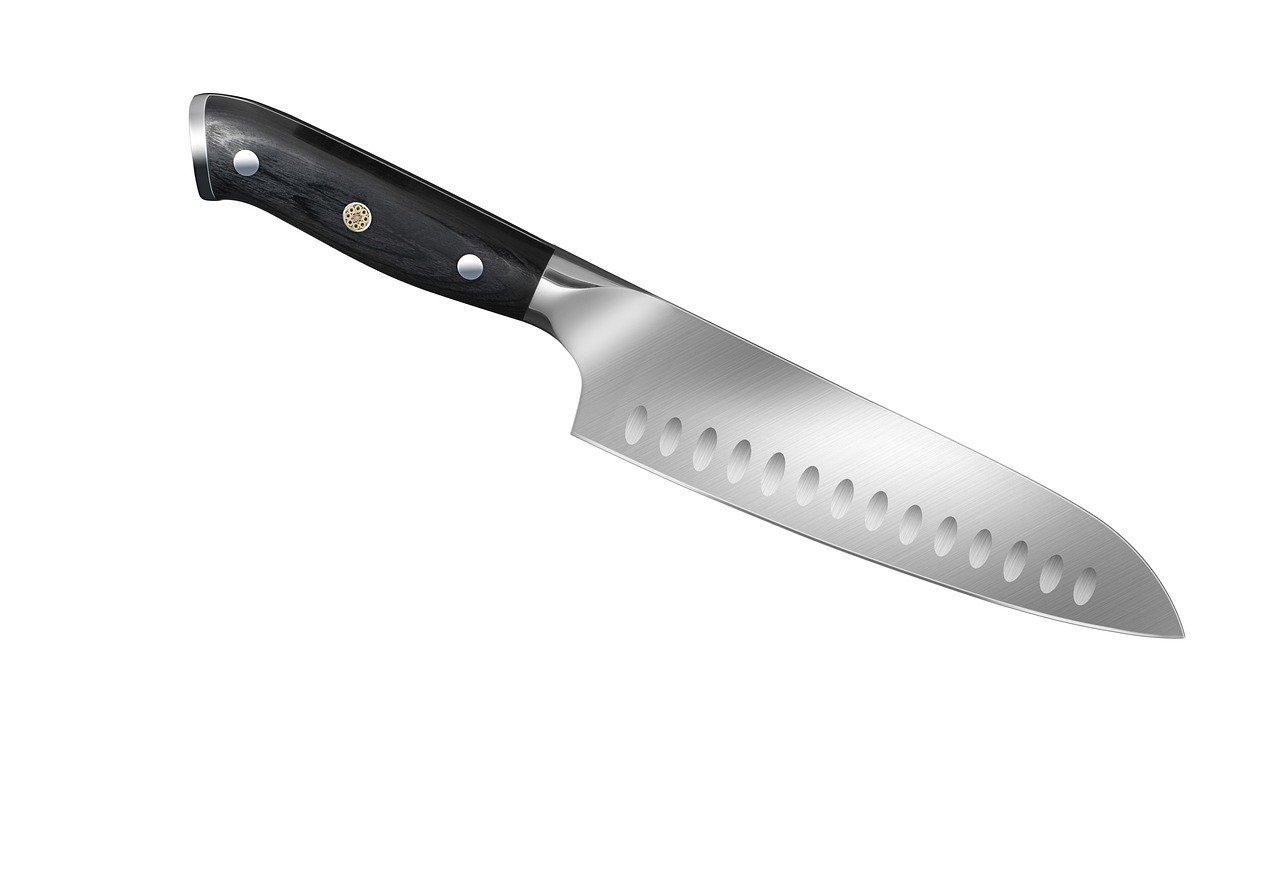
Granton Edge: Features hollowed-out gullets along the blade, reducing friction and preventing food from sticking during cutting.
2. Maintenance
Regular maintenance is key to ensuring the longevity and effectiveness of your chef’s knife. Consider:
Sharpening: Use a whetstone or professional sharpening service once or twice a year. Familiarize yourself with methods for proper sharpening to maintain the edge.
Cleaning: Always hand wash your knife to preserve the integrity of the blade and handle. Avoid placing it in the dishwasher, as the high heat and movement can cause damage.
Price Range
The price of chef’s knives can vary drastically. While budget knives can range from $20 to $50, mid-range options typically fall between $50 to $200, and high-end professional-grade knives start around $200 and can exceed $1,000 for premium brands. When setting your budget, consider how frequently you cook, the knife’s purpose, and your personal cooking style.
Brands to Consider
Some renowned brands trusted by professionals and home cooks alike include:
- Wüsthof: Known for high-quality German knives with a focus on durability and balance.
- Global: Japanese knives famous for their sleek, modern designs and lightweight feel.
- Shun: Offers handcrafted knives with exceptional sharpness and beauty, typically at a higher price point.
- Victorinox: Known for affordability without sacrificing quality, making them perfect for beginners.
Trying Before You Buy
Whenever possible, visit a kitchen supply store to hold and test potential knives. Pay attention to how the knife feels in your hand; the right knife should feel natural and comfortable. Look for one that suits your style of cooking and gives you the confidence to tackle various kitchen tasks.
Additional Considerations
When choosing a chef’s knife, consider your cooking style, the types of foods you prepare most often, and any ergonomic requirements you may have due to previous injuries or conditions. Additionally, think about whether you’ll want to invest in a complete knife set or a single well-crafted chef’s knife.
Conclusion
Selecting the right chef’s knife can greatly enhance your cooking experience, making it more enjoyable and efficient. By understanding the complexities of knife materials, size, shape, handle ergonomics, weight, and brands, you will be better equipped to choose a knife that meets your specific culinary needs. Whether you’re a professional chef or a home cook, a well-chosen chef’s knife can be an invaluable companion in your kitchen.