



Understanding Knife Sharpening
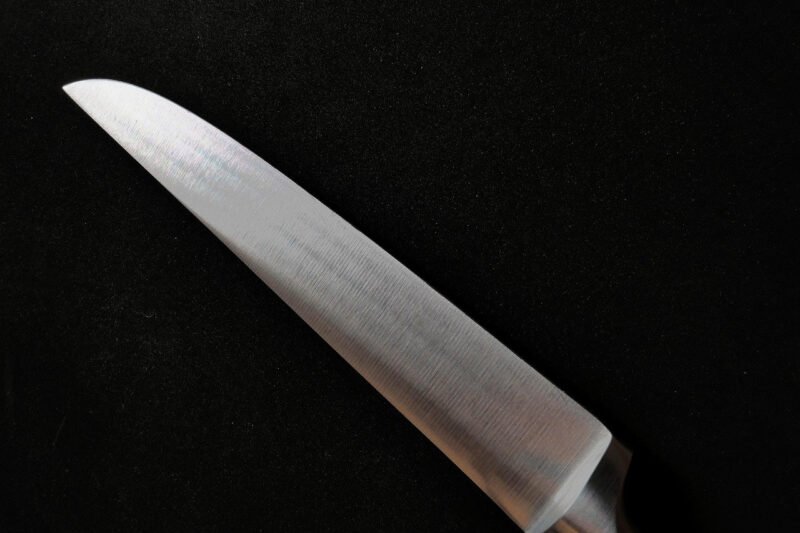
Knife sharpening is an essential skill for anyone who cooks at home, as it ensures that your knives remain effective and safe to use. A dull knife not only makes cooking less enjoyable but also poses a risk of injury. Understanding various sharpening techniques can significantly improve your kitchen experience. Whether you’re a seasoned chef or a casual cook, learning how to maintain a razor-sharp knife will enhance your culinary adventures.
The Science of Sharpness
A sharp knife has a narrow edge that reduces the resistance against food. The angle at which the blade is sharpened, along with the material of the knife, determines its sharpness. Most kitchen knives are sharpened at angles between 15 to 20 degrees. Understanding the anatomy of your knife and how a sharp edge functions optimally can enhance your sharpening techniques.
Tools for Sharpening
Whetstones: A whetstone is a flat stone used for sharpening knives. It comes in various grits, providing versatility for different types of sharpening. Use a coarse grit (200-400) for repairing damaged edges and a medium grit (1000-3000) for standard sharpening. A fine grit (4000-8000) is used for honing and polishing.
Honing Rods: Often made of ceramic or steel, honing rods are not intended to sharpen a blade but to realign the knife’s edge. Regular use helps maintain sharpness between comprehensive sharpening sessions.
Electric Sharpeners: These devices offer convenience and can provide consistent results. However, they may remove more material from the blade over time and may not suit all knives.
Sharpening Stones: Diamond-coated and ceramic sharpening stones are excellent additions for maintaining your knives. They provide durability and balanced performance.
Edge Retention Systems: Products like the Chef’s Choice EdgeSelect allow users to choose different angles for sharpening. They blend precision with ease of use, making them effective for home cooks.
Basic Sharpening Techniques
1. Using a Whetstone
Preparation: Soak the whetstone in water for about 10-15 minutes. Ensure that you are using the appropriate side for the level of sharpening needed.
Angle: Hold the knife at a consistent angle, usually around 15 to 20 degrees. A guide can help maintain this angle.
Sharpening Motion: Move the blade smoothly across the stone in a sweeping motion from heel to tip. Apply even pressure and ensure you cover the entire length of the blade. Repeat this motion about 5-10 times on each side.
Finishing: Once you have created a sharp edge, rinse the knife under water to remove any fine particles. A few strokes on a fine grit side will polish the edge.
2. Honing with a Honing Rod
Positioning: Place the honing rod vertically in one hand with the tip resting securely on a stable surface. Hold the knife at a 20-degree angle against the rod.
Honing Technique: Draw the knife down the rod from heel to tip, applying light pressure. Repeat this motion 5-10 times alternately on both sides of the blade.
3. Using Electric Sharpeners
Setup: Plug in the electric sharpener and ensure it’s on a stable surface. Familiarize yourself with the operation guidelines.
Sharpening Process: Insert the knife blade into the designated slot and gently pull the knife towards you, following the prompts for multiple passes until the knife is adequately sharpened.
Advanced Techniques
1. Freehand Sharpening with Whetstones
Technique: Instead of relying on guides, skilled users can sharpen freehand. This requires practice to perfect the angle and pressure.
Method: Rotate the knife in a gentle circular motion while drawing it back along the stone, allowing the user to intuitively find the edge.
2. The Japanese Water Stone Technique
Characteristics: Japanese water stones often feature softer materials, allowing for quick sharpening.
Process: These stones can be splashed with water rather than soaked. Follow the same sharpening techniques, paying close attention to the grit transition.
Maintenance and Care
To maintain sharp knives, regular honing is essential. Encourage a ritual of honing before each culinary session. Store knives safely in a designated block or sheaths to protect the edges. Avoid cutting on hard surfaces like glass or stone, which can dull knives more quickly.
Common Mistakes to Avoid
Too Much Pressure: Applying excessive force can damage the blade edge instead of sharpening it.
Ignoring the Angle: Consistency in angle is crucial for achieving an optimal edge. Use guides if needed during the sharpening process.
Neglecting Regular Maintenance: Waiting too long between sharpening sessions means more effort and can result in decreased blade lifespan.
How to Test Sharpness
Testing the sharpness of a knife can be done using several methods:
Paper Test: Attempt to slice through a sheet of paper cleanly. A sharp knife will cut through effortlessly.
Tomato Test: A sharp knife should slice through a ripe tomato without squashing it.
Hair Test: Gently try to shave hair from your arm. A sharp knife will cut through hair easily.
Conclusion
Mastering knife sharpening techniques can elevate your cooking experience significantly. Selecting the correct methods and tools tailored to your culinary needs will enhance your efficiency in the kitchen. Engaging in this essential skill will ensure you maintain an arsenal of razor-sharp knives ready for any culinary challenge. By incorporating regular maintenance and the outlined techniques, you will ensure your knives remain your most trustworthy companions in the kitchen.