



Understanding Ceramic Kitchen Knives
Ceramic kitchen knives have gained popularity due to their sharpness, lightweight design, and resistance to rust and stains. Made primarily of zirconium dioxide, these knives are not only durable but also offer excellent cutting precision. However, proper care is essential to maintain their performance and longevity.
General Handling Tips
1. Avoid Impact: Ceramic knives are brittle. While they can maintain a sharp edge longer than steel, they are susceptible to chipping and breaking if dropped or used improperly. Avoid letting them fall or using them to pry open jars or bottles, as this can lead to damage.
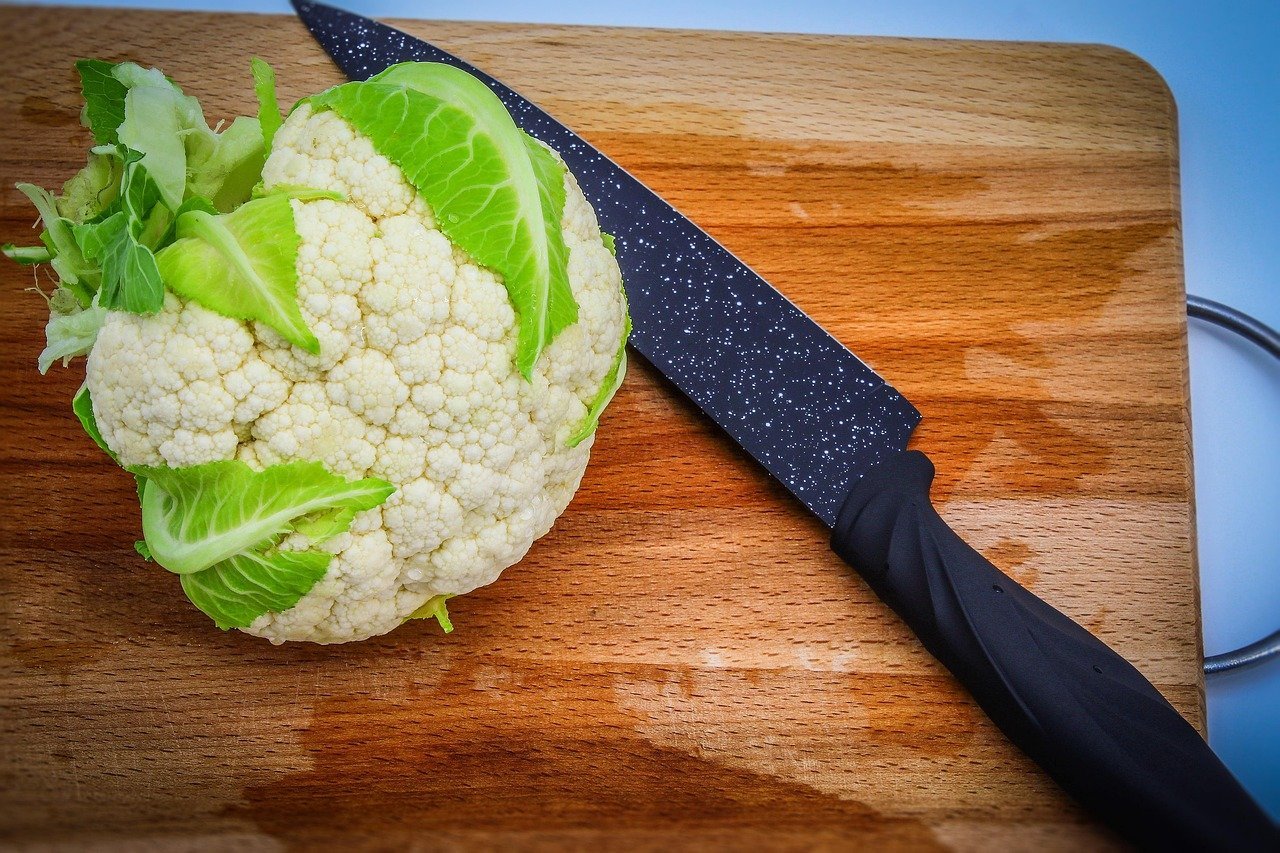
2. Use the Right Cutting Surface: Always use a cutting board made of wood or plastic. Glass, stone, or metal surfaces can dull the blade quickly and cause chipping. Opting for softer surfaces helps preserve the sharpness of the blade.
3. Grip the Knife Properly: For optimal control, hold the handle firmly while using your ceramic knife. This helps in maintaining accuracy and reduces the risk of accidental slips, which could lead to injury or damage to the blade.
Proper Cleaning Techniques
1. Immediate Washing: After each use, wash your ceramic knife immediately with warm water and mild dish soap. Avoid leaving food residue, as this can lead to long-term staining or odors.
2. Hand Washing Only: Never place ceramic knives in the dishwasher. The high heat and harsh detergents can chip the blade or cause the handle to weaken over time. Hand washing is the safest and most effective method.
3. Soft Cloth or Sponge: When cleaning, use a soft cloth or sponge to avoid scratches. Steer clear of abrasive pads or harsh chemicals that can damage the ceramic surface.
4. Dry Thoroughly: After washing, dry the knife promptly with a soft towel. Moisture left on the surface can lead to rusting of the handle, especially if it’s made of metal or has metal components.
Storing Your Ceramic Knives Safely
1. Use a Knife Block: Store your ceramic knives in a designated knife block or a magnetic strip. Avoid tossing them in a drawer where they may clash with other items and sustain damage.
2. Blade Covers: If you opt to use a drawer for storage, consider purchasing blade covers or sheaths. They provide an extra layer of protection and help prevent accidental cuts.
3. Avoid Stacking: Prevent placing heavy items on top of your ceramic knife if stored in a drawer. This can lead to chipping and bending.
Sharpening Ceramic Knives
1. Understanding the Sharpening Process: Unlike steel knives, ceramic knives cannot be sharpened using traditional whetstones or sharpening systems. It is highly recommended to use specialized diamond sharpeners designed for ceramic blades. These sharpeners can maintain the knife’s edge without compromising its integrity.
2. Professional Sharpening Services: For optimal results, consider sending your ceramic knife to a professional sharpening service. Professionals have the right tools and expertise to restore the blade’s sharpness safely.
Using Your Ceramic Knife Effectively
1. Appropriate Food Items: Ceramic knives excel when cutting fruits, vegetables, boneless meats, and bread. They are not suitable for cutting frozen items, hard-shelled nuts, or tough meats, as these can easily chip or break the blade.
2. Technique Matters: Use smooth, slicing motions instead of applying excessive pressure. Allow the sharpness of the blade to do the work, which minimizes the risk of damaging the knife.
3. Rash Knife Choices: When working with acidic foods, such as tomatoes or citrus fruits, use the knife sparingly. While ceramic blades resist corrosion, prolonged exposure can dull the edge over time.
Signs Your Knife Needs Attention
1. Handling Difficulties: If you notice that your knife is not slicing through ingredients as easily as before, it might be time for sharpening or careful inspection for chips.
2. Visual Inspection: Regularly check for visible chips or cracks. A chipped blade can lead to further damage if not addressed immediately, as it may worsen with time and use.
3. Uneven Edging: If you notice that the edge is uneven or has developed spots that don’t cut properly, it’s a sign that professional sharpening is needed.
Maintenance Schedule
1. Regular Cleaning: Create a routine for cleaning after every use. Establish a habit to ensure that your knives remain in top condition.
2. Annual Inspection: Perform a thorough inspection of your knives at least once a year. Look for signs of damage, need for sharpening, and overall blade integrity.
3. Professional Sharpening: Depending on frequency of use, schedule professional sharpening once every 1-2 years. This helps prolong the life of your knife significantly.
Innovative Uses for Ceramic Knives
1. Food Preparation: Utilize your ceramic knife for meal prepping fruits and vegetables. Its sharp edge allows for clean and swift cuts, enhancing presentation.
2. Themed Dishes: For intricate tasks like garnishing or detailed culinary presentations, ceramic knives can offer precision due to their fine edge.
3. Ideal for Picnics: Given their lightweight nature and durability, ceramic knives are perfect companions for outdoor picnics, making meal preparation easier without the heavy load.
Conclusion
Correct usage and care can extend the life of your ceramic kitchen knives remarkably. Through proper handling, cleaning, and storage practices, you can enjoy the precision and performance they offer for years to come. Taking these precautions will ensure that the investment in your kitchen cutlery is protected, allowing you to maximize the benefits of ceramic knives while preparing delicious meals.