


The Importance of Regular Knife Sharpening
The Science Behind Knife Sharpness
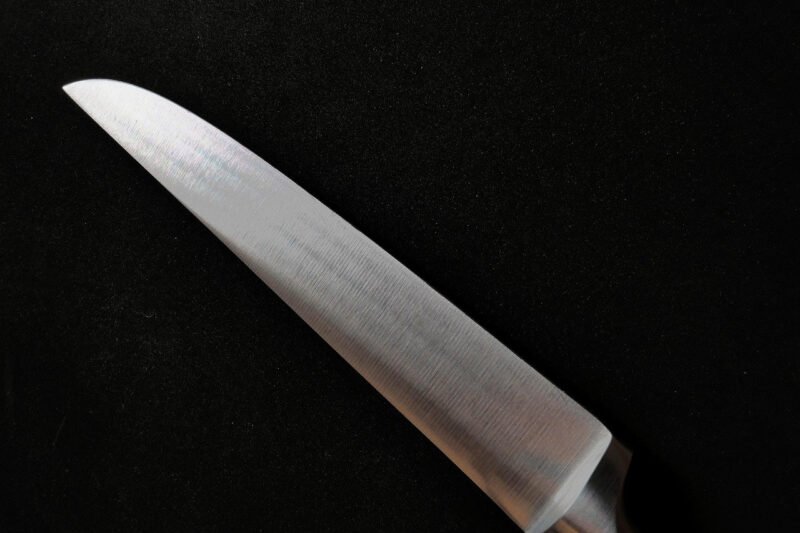
A sharp knife is more than just a kitchen tool; it’s an extension of a chef’s hand. The effectiveness of a knife is largely determined by its edge. When a knife is sharp, it allows for precise cuts, reducing the force needed to slice through food items. This results in cleaner cuts, which are crucial for presentation, texture, and flavor retention. A dull knife, on the other hand, requires more pressure to achieve the same results, increasing the risk of accidents and injuries.
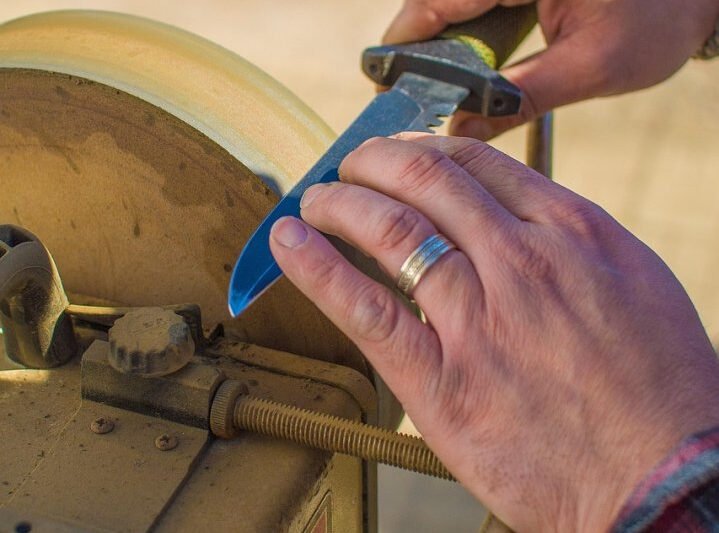
The sharpness of a knife is defined by the angle of the cutting edge. Generally, a sharper knife has a smaller bevel angle, typically ranging from 15 to 20 degrees. Regular sharpening maintains this angle, ensuring the knife cuts efficiently while prolonging its lifespan. The process of essential maintenance involves removing small amounts of material from the blade to restore its edge.
Efficiency in Food Preparation
Time is a key factor in any kitchen, especially for home chefs who might be juggling multiple tasks. A sharp knife significantly improves efficiency in food preparation. Chopping, dicing, and slicing can be performed with minimal effort when the knife is sharp. This encourages the chef to experiment with different ingredients and cooking techniques without feeling hindered by ineffective tools.
When working with dense vegetables like butternut squash or hard meats, a dull knife can pose a serious challenge. The frustration of struggling with a blunt knife can lead to a slower cooking process, which in turn affects meal timing and can lead to overcooked or undercooked dishes. Sharpening knives regularly ensures that food preparation remains a smooth and enjoyable experience.
Safety Considerations
One of the most significant reasons why regular knife sharpening is essential is safety. It may seem counterintuitive because one might associate sharp knives with danger. However, dull knives can actually be more hazardous. A dull blade is more likely to slip off the surface of the food being cut, increasing the risk of cuts, slices, or even more serious injuries.
On the other hand, a sharp knife grips the food and allows for controlled slicing. Home chefs using sharp knives are more likely to maintain control throughout the cutting process, leading to fewer accidents. By prioritizing knife maintenance, chefs can dramatically reduce the risk of kitchen injuries.
Culinary Precision
Every home chef can benefit from the precision that comes with a sharp knife. The culinary world often requires specific cuts ranging from julienne to chiffonade. Each technique demands precision, and a dull knife can hinder the ability to execute these skills effectively.
With a sharp knife, it is easier to produce uniform pieces. For instance, even cuts of vegetables can ensure consistent cooking times, resulting in a meal that is not only visually appealing but also perfectly cooked. Additionally, a sharp knife minimizes cell damage in vegetables, which helps retain their texture and flavor, creating better-tasting dishes.
/ Custom titles can be adjusted as necessary based on content and optimization needs /
Knife Maintenance Techniques
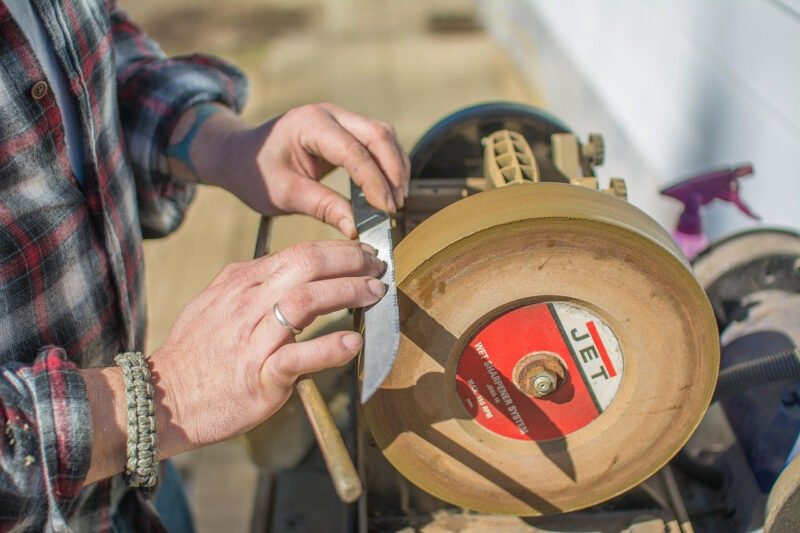
Understanding how to maintain knife sharpness is essential for home chefs. There are several methods to keep knives sharp, including whetstones, honing rods, and electric sharpeners. Each method has its own unique advantages and can cater to different skill levels.
Whetstones: This traditional method involves using a stone to manually sharpen the blade. It requires practice to master the technique, as it involves a specific angle and pressure.
Honing Rods: Used for daily maintenance, honing rods realign the edge of the knife and are a quick way to maintain sharpness between more thorough sharpening sessions.
Electric Sharpeners: These devices are user-friendly and can provide quick results. However, some chefs argue that they remove too much material from the blade, potentially shortening the knife’s lifespan.
Incorporating routine sharpening into a home chef’s skills not only enhances performance but also fosters a connection with the tools and their craftsmanship.
Longevity of Kitchen Knives
Regular knife sharpening significantly extends the lifespan of kitchen knives. A well-maintained knife can last for years, while neglect can lead to irreversible damage that necessitates premature replacement. Dull knives can develop chips and nicks that make the blade ineffective.
Investing time in regular sharpening not only improves knife performance but also protects your investment in quality kitchen tools. Many high-quality knives are engineered from durable materials designed to withstand regular use, but that durability wanes without proper care.
Cost-Effectiveness of Knife Sharpening
For many home chefs, the kitchen budget is a consideration. Maintaining knives through regular sharpening can be more cost-effective than continuously purchasing new knives. Quality knives, when cared for properly, can serve as lifelong tools for cooking enthusiasts.
Furthermore, many chefs find that investing in a good sharpening stone or hiring a professional sharpener is far less expensive than buying new knives, especially after several years of use. This commitment not only saves money but also creates a sense of connection with the tools that enhance your culinary experiences.
Enhancing Culinary Skills
Emphasizing knife sharpening in your kitchen routine can greatly enhance your overall culinary skills. As you refine your knife techniques, you will gain confidence in your abilities, leading to a willingness to explore new recipes and cooking methods.
A sharp knife encourages you to practice precision and control, ultimately making you more efficient and effective in the kitchen. Whether you are preparing simple weeknight meals or elaborate feasts for special occasions, the skills developed through regular sharpening can translate directly to improvements in every dish.
Conclusion
Regular knife sharpening is an integral part of a home chef’s commitment to cooking. By maintaining sharp blades, chefs can ensure safety, efficiency, and culinary precision, extending the life of their knives and enhancing their overall cooking experience. Investing time and effort into this essential maintenance practice will yield smoother preparation processes and greater enjoyment in crafting delicious meals. With the right techniques and tools, every home chef can master the art of knife sharpening and elevate their culinary endeavors.