



The History and Evolution of Knives Through the Ages

Prehistoric Times: The Birth of Knives
The history of knives begins in prehistoric times, where early human ancestors relied on primitive tools for survival. The first knives were likely made from flint, a hard stone that could be shaped into sharp edges. Around 2.5 million years ago, Stone Age hominins used Oldowan tools, which included rudimentary knife-like sharp stones for cutting meat and processing plants. Evidence suggests that these early knives were not only functional but also served as symbols of status and skill.

The Bronze Age: The Rise of Metalworking
The advent of metallurgy marked a significant evolution in knife design. By around 3000 BCE, various civilizations, including the Egyptians and Mesopotamians, began crafting knives from bronze, an alloy of copper and tin. Bronze knives were stronger, more durable, and could maintain a sharp edge longer than their stone predecessors. The Egyptians utilized these knives in both daily tasks and religious rituals, where ceremonial knives became an integral part of their culture.
With the spread of metalworking techniques, other materials such as iron began to emerge around 1200 BCE. This transition heralded a new era in knife production, as iron was more readily available and easier to work with than bronze. The capacity to produce sharper and more complex knives led to their widespread use in combat and warfare.
The Iron Age: European Innovations
The Iron Age brought unprecedented advancements in knife technology. By around 600 BCE, the Celts in Europe were producing high-quality iron knives, often adorned with intricate designs. The Roman Empire also contributed to knife evolution, introducing standardized shapes and sizes. Roman knives featured pointed blades and were often used for both practical and ceremonial purposes.
During this time, utility knives for everyday household use became more commonplace. They were typically made with wooden handles and could be crafted into various shapes for different functions, including food preparation, hunting, and crafting.
The Middle Ages: Trusty Eating Tools
As societies evolved, so did the design and purpose of knives. In the Middle Ages, the knife became a fundamental eating utensil. Personal knives, often carried on one’s belt, were commonplace among the nobility and were a status symbol. The kitchen knife started gaining its identity, becoming essential for chefs and households alike.
In addition to domestic use, knife craftsmanship flourished, with specialized tools such as boning knives and butcher knives emerging. The structure of the knife itself evolved with the introduction of full tang blades and decorative handles made of materials like wood, bone, and even silver for the wealthy.
The Renaissance and the Age of Exploration
The Renaissance period saw not just a revival in the arts but also advancements in craftsmanship, including knives. Pioneering metallurgical techniques during the 15th and 16th centuries led to the production of high-quality stainless steel blades. This era also experienced the introduction of the folding knife, a revolutionary design that allowed for portability and ease of use.
The Age of Exploration brought new materials and styles, with knives becoming more varied due to the influences of different cultures. The Japanese, for example, began producing specialized swords, leading to the development of famed knives like the tanto and the katana that featured exquisite craftsmanship and superior sharpness, establishing a rich tradition of knife-making.
The Industrial Revolution: Mass Production
The Industrial Revolution in the 18th and 19th centuries drastically changed knife manufacturing. Mechanization led to the mass production of knives, allowing for greater accessibility and affordability. Factories sprang up in the United States and Europe, producing knives at remarkable rates. During this time, innovations such as the switchblade and the pocketknife emerged.
The late 19th century also witnessed the establishment of iconic knife brands like Victorinox and Wüsthof. These companies laid the groundwork for modern knife-making techniques and began the development of specialty knives, including kitchen knives tailored for specific culinary tasks.
The 20th Century: Specialized Knives
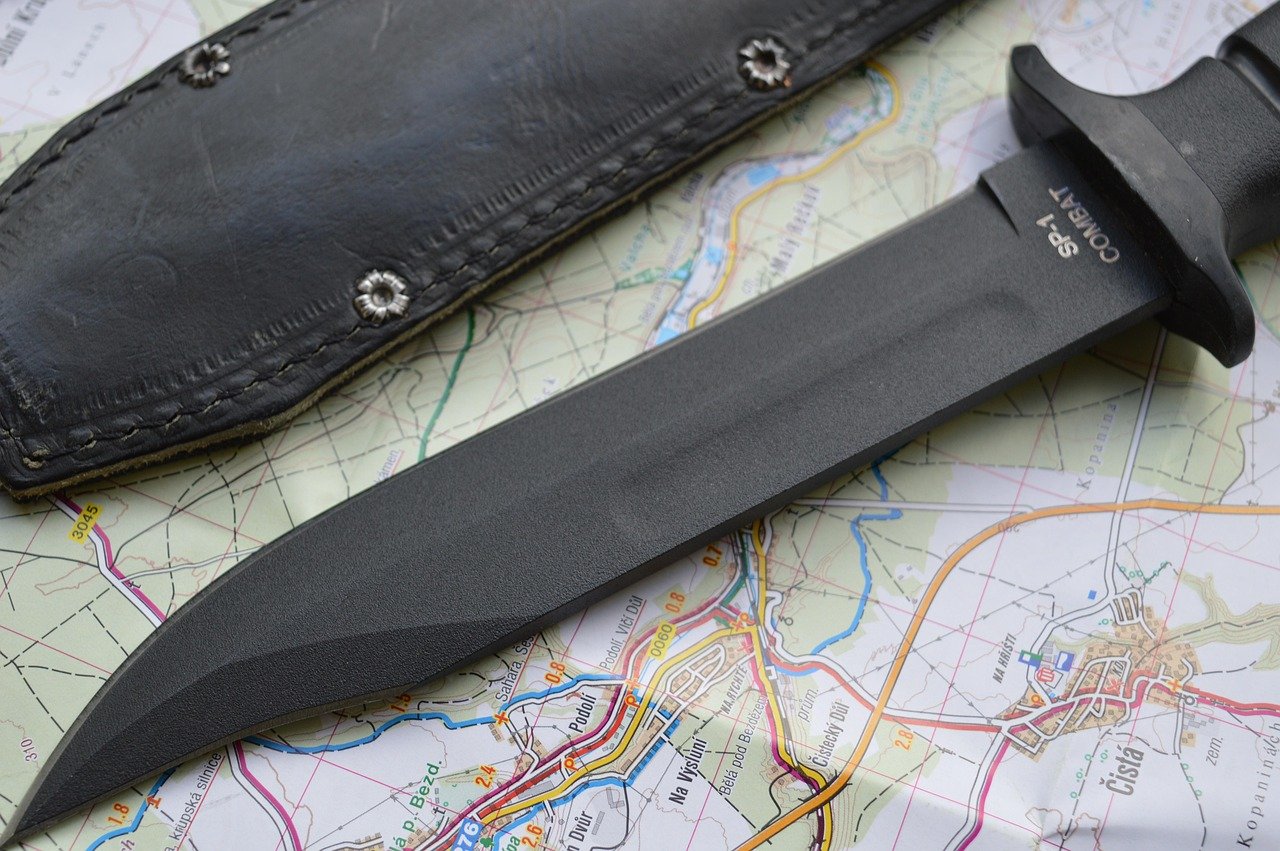
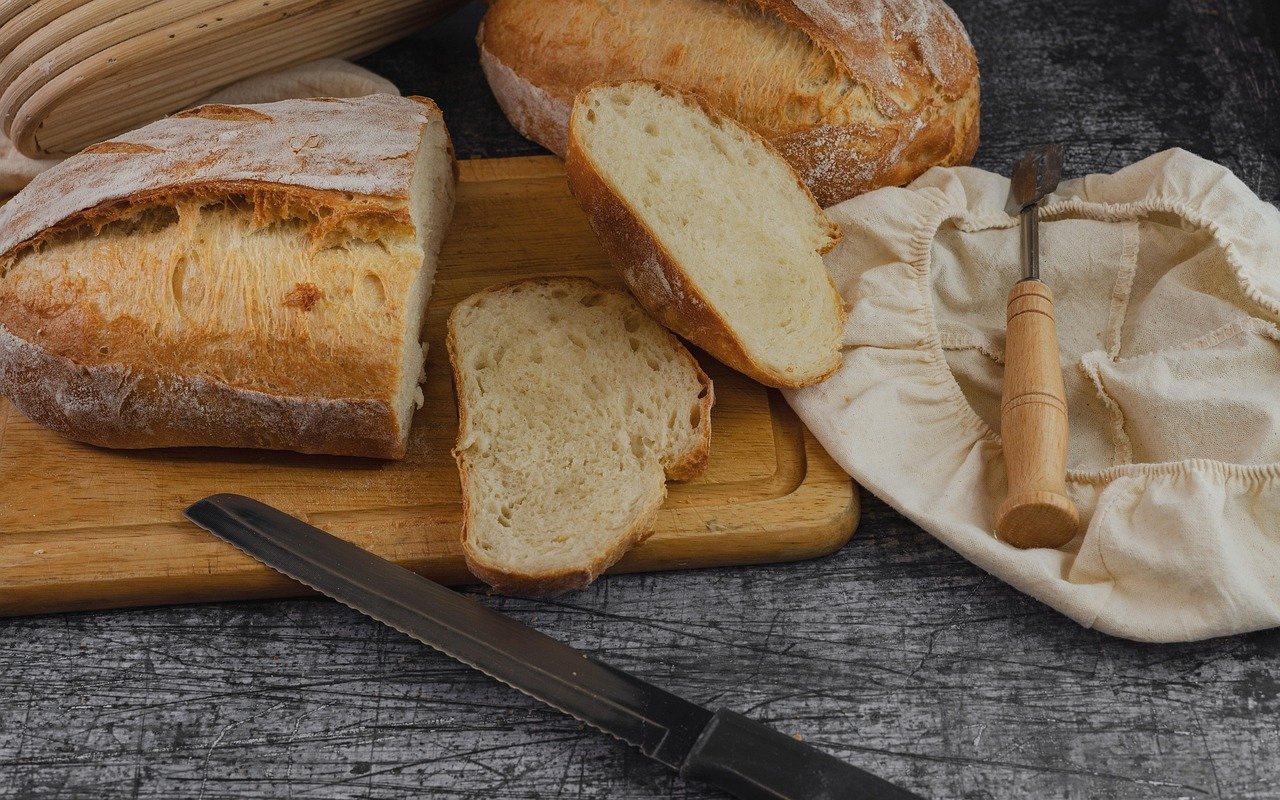
The 20th century marked a pivotal time for knives, where the quest for specialization continued to grow. The culinary world saw the rise of chef knives, paring knives, and serrated knives, each designed for specific food preparation tasks. Additionally, the popularity of hunting and fishing aided in the development of tactical and outdoor knives, designed for durability and performance in rugged conditions.
With advancements in materials science, 20th-century manufacturers began to experiment with various alloys and composite materials. The introduction of high-carbon stainless steel significantly improved edge retention and corrosion resistance, making knives more efficient and long-lasting. The popularity of stainless steel also paved the way for the modern chef knife, characterized by a sleek design and ergonomic handles.
The 21st Century: Innovation and Sustainability
Today, the evolution of knives continues as manufacturers and artisans blend tradition with cutting-edge technology. The 21st century has introduced an emphasis on sustainability, with many brands now focusing on eco-friendly materials and manufacturing processes. Innovations such as ceramic blades offer alternatives to traditional steel, providing corrosion resistance and maintaining sharpness over time.
In addition, smart technology has begun to influence knife designs, with features like built-in scales or sensors to assist in cooking. The rise of online tutorials has fostered a culture of experimentation among home cooks, leading to increased interest in knives specifically designed for niche culinary techniques such as filleting or butchering.
Cultural Significance and Collectibility
Knives have transcended their practical use to become symbols of culture and tradition across the globe. In Japan, the artisanal craftsmanship of chef’s knives is celebrated, as master blacksmiths blend ancient techniques with contemporary design. In Western cultures, collectible knives have gained popularity, becoming sought-after items among enthusiasts and collectors who appreciate craftsmanship, history, and artistry.
Knives have influenced numerous aspects of society, from culinary arts to personal interests, celebrating both functionality and aesthetics. As society continues to evolve, so too will the knife, a tool that is foundational to human civilization, representing both our past and our future. The future of knife design promises further innovations, reflecting the needs and values of a continuously advancing world.