


Understanding Different Types of Knife Blades: A Comprehensive Overview
When it comes to culinary skills, one of the most essential tools in the kitchen is a knife. Different types of knife blades serve various purposes, enhancing efficiency and precision in meal preparation. This comprehensive overview delves into the types of knife blades, their unique characteristics, and their specific uses, providing insightful details to help both amateur cooks and professional chefs choose the right blade for their needs.
1. Chef’s Knife

One of the most versatile knives, the chef’s knife features a broad blade and a taper point. Typically measuring between 8 to 10 inches in length, its curved design allows for a rocking motion when chopping herbs or vegetables. The chef’s knife is ideal for slicing, dicing, and mincing, making it a staple in all kitchens.
Key Features:
- Blade Length: 8-10 inches
- Design: Broad blade with a curved edge
- Use: Slicing, dicing, chopping
2. Paring Knife
Measuring around 3 to 4 inches, the paring knife is perfect for detailed work. Its small, agile blade excels in tasks like peeling fruits and vegetables, deveining shrimp, or intricate garnish work. With its pointed tip and straight edge, it affords great control, making it an essential tool for fine tasks.
Key Features:
- Blade Length: 3-4 inches
- Design: Small and pointed
- Use: Peeling, trimming, detailed work
3. Serrated Knife
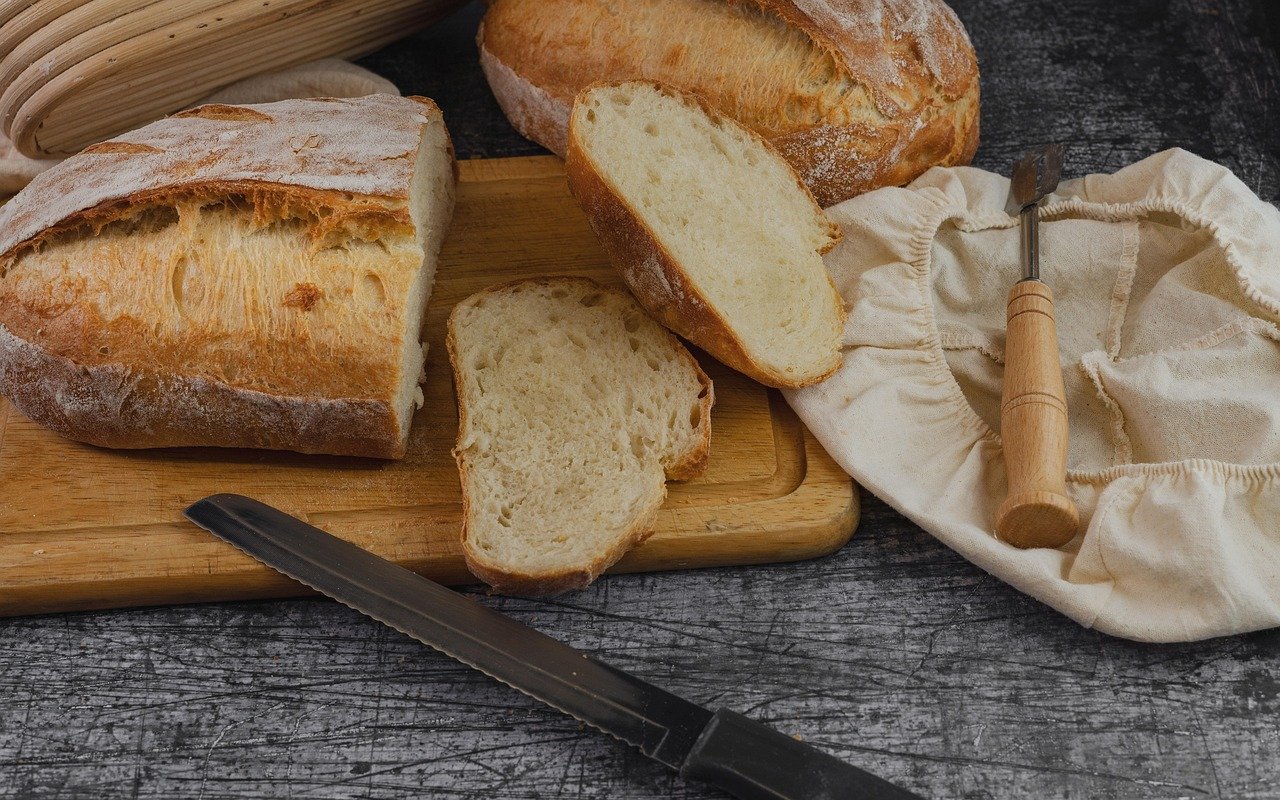
The serrated knife, often referred to as a bread knife, features a blade with a saw-like edge that excels at cutting through crusty surfaces without crushing the soft interior. Besides bread, it also works well on cakes, tomatoes, and other foods with a hard exterior and soft interior.
Key Features:
- Blade Length: Typically 8-10 inches
- Design: Saw-like serrations
- Use: Cutting bread, cakes, and soft fruits
4. Santoku Knife
Originating from Japan, the Santoku knife is characterized by its shorter length (typically 5 to 7 inches) and a flatter edge that is well-suited for slicing, dicing, and mincing. The name “Santoku” translates to “three virtues,” referencing its ability to handle meat, fish, and vegetables. The Granton edge, which features hollowed-out grooves, helps to reduce friction and prevents food from sticking to the blade.
Key Features:
- Blade Length: 5-7 inches
- Design: Flat edge with Granton grooves
- Use: Slicing, dicing, versatile culinary tasks
5. Filleting Knife
Primarily utilized in fish preparation, the filleting knife has a long, flexible blade designed for delicate cutting. Its thin edge allows for precision when filleting fish and removing bones without damaging the flesh. Its length typically ranges from 6 to 9 inches.
Key Features:
- Blade Length: 6-9 inches
- Design: Flexible, narrow blade
- Use: Filleting fish, delicate cutting
6. Boning Knife
Similar to the filleting knife but typically sturdier, the boning knife is designed to remove bones from meat. It features a sharp, rigid blade that allows for precision and control, making it easier to navigate around bones and joints. Its length ranges from 5 to 7 inches.
Key Features:
- Blade Length: 5-7 inches
- Design: Rigid, sharp edge
- Use: Removing bones, deboning meat
7. Cleaver
The cleaver, also known as a butcher’s knife, is characterized by its thick, heavy blade designed for chopping through dense materials, making it ideal for cutting through bones and large cuts of meat. The blade can be rectangular or rounded, and it typically measures 6 to 12 inches.
Key Features:
- Blade Length: 6-12 inches
- Design: Thick, heavy blade
- Use: Chopping meat and bones
8. Utility Knife
The utility knife, often used as a multi-purpose tool, has a blade size between that of a chef’s knife and a paring knife, typically ranging from 4 to 7 inches. It’s used for a variety of tasks, from slicing sandwiches to cutting through tougher ingredients.
Key Features:
- Blade Length: 4-7 inches
- Design: Versatile, mid-sized
- Use: General-purpose cutting
9. Mincing Knife
Distinguished by its dual, curved blades, the mincing knife is designed for chopping herbs and vegetables quickly and efficiently. Its unique design allows for a rocking motion, making the mincing process effortless.
Key Features:
- Blade Length: Generally 7-10 inches (average)
- Design: Curved dual blades
- Use: Mincing herbs and vegetables
10. Japanese Knives
Japanese knives, including specialties like the Nakiri and Ulu, focus on precision and craftsmanship. The Nakiri knife has a straight edge and is primarily for chopping vegetables, while the Ulu, characterized by its curved blade, serves traditional North American and Asian culinary practices.
Key Features of Nakiri Knife:
- Blade Length: 6-7 inches
- Design: Straight, rectangular blade
- Use: Chopping vegetables
Key Features of Ulu Knife:
- Blade Length: Varies (common 5-7 inches)
- Design: Curved blade
- Use: Versatile cutting, traditional practices
11. Steak Knife
A steak knife is essential for dining, often featuring a serrated or straight edge to enhance the cutting of meat. A proper steak knife is ergonomic, allowing for comfortable handling during meals.
Key Features:
- Blade Length: Typically 4-5 inches
- Design: Serrated or straight edge
- Use: Cutting steak and other meats during meals
12. Pizza Cutter
More specialized, the pizza cutter, either wheel-style or rock-style, is designed for cutting through pizza without disturbing toppings. The wheel cutter rolls evenly across the pizza, while the rocker type uses a rocking motion for slicing.
Key Features:
- Blade Length: Not typical, varies
- Design: Wheel or curved
- Use: Cutting pizza efficiently
13. Oyster Knife
Oyster knives have a thick, short blade designed explicitly for prying open oyster shells. Their unique, pointed tip allows for precision without damaging the oyster inside, making it a must-have for seafood lovers.
Key Features:
- Blade Length: 2-4 inches
- Design: Thick, short blade with a tapered tip
- Use: Shucking oysters and shellfish
14. Butcher Knife
A butcher knife is designed for cutting large pieces of meat into smaller sections. With a sturdy, heavy-duty blade, it excels at cutting through tough meats, making it an essential tool in any meat processing or butchering scenario.
Key Features:
- Blade Length: Typically 6-10 inches
- Design: Heavy-duty, broad blade
- Use: Butchering large cuts of meat
15. Custom and Specialty Knives
In addition to standard knife types, many chefs invest in custom or specialty knives tailored to specific culinary techniques or personal styles. These knives can range from unique designs to ones forged with specific materials that meet individual preferences.
Key Features:
- Blade Length: Varies
- Design: Custom-made per chef’s needs
- Use: Specialized tasks, unique culinary techniques
By thoroughly understanding the various types of knife blades available, culinary enthusiasts can enhance their skills and efficiency in the kitchen. With proper care and the right blade selection, the cooking experience can be transformed, elevating meal preparation to an art form that celebrates creativity and precision.