



The Benefits of Using a Japanese Chef Knife in Your Cooking

1. Precision and Sharpness
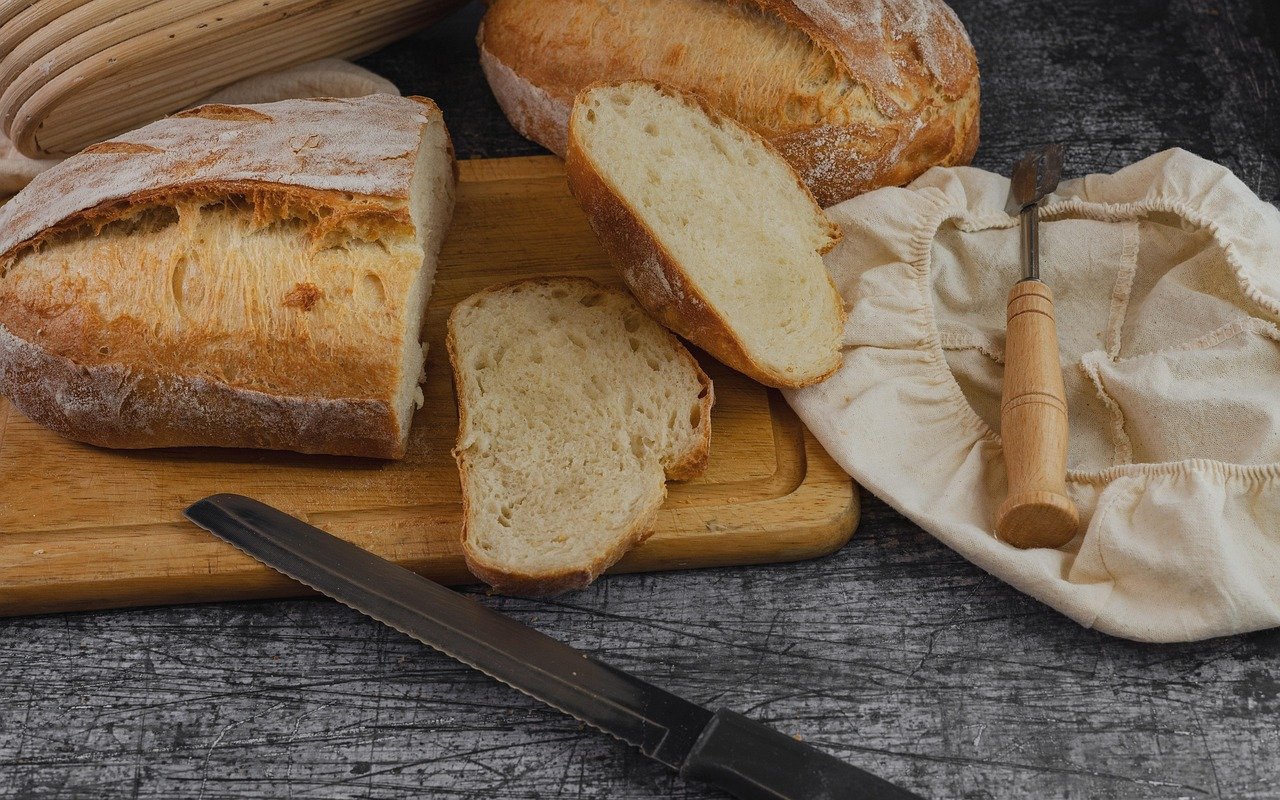
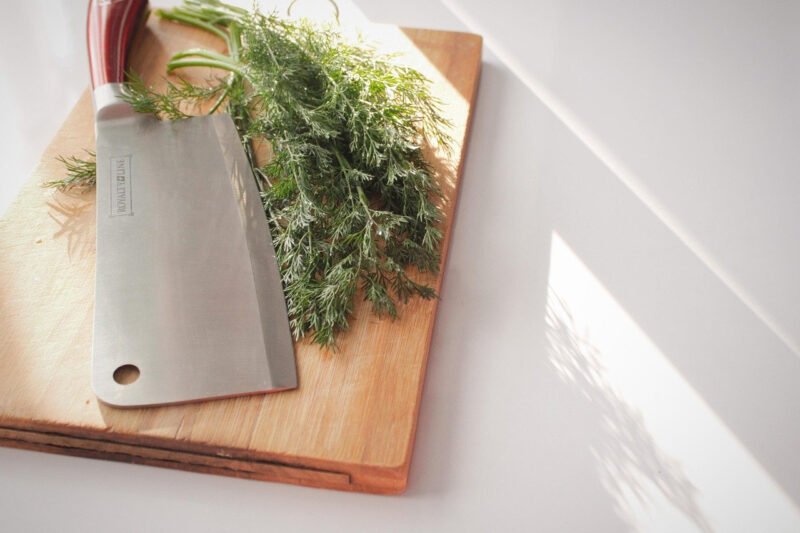
Japanese chef knives, known as gyuto or santoku, are celebrated for their unparalleled sharpness. Crafted from high-quality hard steel, they offer a precision that allows chefs to make clean cuts with minimal pressure. This sharpness means you can easily slice through vegetables, meats, and fish, enhancing the overall presentation of your dishes. Chefs appreciate that a finely honed blade requires less effort, reducing hand fatigue during long cooking sessions.

2. Unique Craftsmanship
One of the defining features of Japanese chef knives is the traditional craftsmanship that goes into their making. Many of these knives are hand-forged by skilled artisans, employing centuries-old techniques. This artisanal approach not only contributes to the knife’s aesthetic appeal but also enhances its performance. The distinct damascus patterns on many Japanese knives are not merely decorative; they signify the blade’s multiple layers of metal, resulting in a stronger, more resilient knife.
3. Versatility in the Kitchen
Japanese chef knives are designed to handle a variety of tasks, making them incredibly versatile. The gyuto is perfect for slicing, dicing, and chopping, while the santoku excels at detail work like mincing garlic or julienning vegetables. With a weight and balance engineered for agile maneuverability, these knives adapt seamlessly to both small and large kitchen tasks, appealing to home cooks and professional chefs alike.
4. Enhanced Control and Balance
When it comes to knife work, balance is crucial. Japanese chef knives are skillfully constructed to achieve perfect weight distribution, allowing for greater control during use. The lightweight nature lends itself to effortless handling, making intricate knife skills easier to master. This balance minimizes the risk of slipping and accidents, promoting a safer cooking environment, especially for novice chefs.
5. Aesthetically Pleasing Design
Japanese knives are not just tools; they are pieces of art. The elegant designs and exquisite finishes contribute a sense of beauty to any kitchen. Handcrafted handles made from beautiful woods such as cherry or rosewood add a unique touch. This design philosophy extends to the blade as well, often featuring stunning patterns and aesthetically pleasing features that make these knives a joy to work with, as well as a visual delight.
6. Long-Lasting Durability
Investing in a Japanese chef knife means acquiring a tool that can last for generations if properly maintained. The high-quality steel used in their construction tends to retain sharpness longer than that of many Western knives, meaning less frequent honing. Additionally, the robust composition makes them resistant to chipping and wear, ensuring durability against the test of time. Many chefs pass down their Japanese knives as heirlooms, a testament to their lasting quality.
7. Enhanced Culinary Techniques
Using a Japanese chef knife can refine your cooking techniques. The fine edge encourages a smooth slicing action, allowing for thin, even cuts essential for delicate dishes. This precision makes it simpler to improve your knife skills, leading to more professional-looking results. When you can slice vegetables paper-thin or fillet fish without tearing, it raises the overall quality of your culinary creations.
8. Comfort and Ergonomics
Japanese chef knives are designed with the user’s comfort in mind. The handles are often contoured to fit the grip of your hand, enhancing your ability to use the knife for prolonged periods without strain. The ergonomic design ensures that even during repetitive cutting tasks, you maintain comfort, ultimately allowing for greater creativity in the kitchen.
9. Easy Maintenance
Though it may seem intimidating at first glance, maintaining a Japanese chef knife is straightforward. Regular honing with a whetstone will keep the blade sharp and efficient. Learning proper care techniques enhances your relationship with the knife, fostering a deeper appreciation of the craftsmanship involved. Moreover, many Japanese knives feature non-sticking properties due to their surface treatment, making clean-up quick and easy after meal prep.
10. Cultural Significance
Using a Japanese chef knife connects you to a rich culinary tradition that treasures respect for the ingredients and the art of cooking. Understanding the cultural significance of these knives can enrich your cooking experience. The philosophy behind Japanese culinary practices emphasizes harmony and balance, fostering a mindset of mindfulness in the kitchen. Engaging with this tradition allows cooks to foster a mental connection to their craft, providing a deeper appreciation for culinary arts.
11. Proper Cutting Techniques
Japanese knives are often used in conjunction with specific cutting techniques that enhance the overall experience and results. Techniques such as slicing, push cutting, or chopping are tailored to suit the structure of the blade, maximizing effectiveness. By learning these techniques, cooks not only enhance their skills but also develop a greater understanding of food preparation as an art.
12. Meal Presentation
Presentation is key in many cuisines, and a Japanese chef knife assists in producing visually stunning results. The ability to create uniform cuts enhances the overall aesthetic of the dish, making meals more appetizing. Whether you are preparing sushi rolls or vegetable garnishes, a sharp and precisely crafted knife elevates even the simplest of dishes, showcasing the chef’s craftsmanship and passion.
13. Eco-Friendly Choices
Many Japanese knife manufacturers focus on sustainable practices, utilizing responsibly sourced materials and traditional methods that require minimal energy. By choosing Japanese chef knives, you support a market that often places a greater emphasis on environmental responsibility, encouraging a more sustainable approach to culinary tools.
14. Joining a Community
Investing in a Japanese chef knife often connects you with a community of passionate cooks and chefs who appreciate fine culinary tools. Various forums, online groups, and local culinary schools frequently discuss the benefits and techniques associated with these knives, fostering a supportive environment for skill development. Becoming part of this community not only helps in improving your cooking but also motivates you to explore diverse culinary practices.
15. A Personal Journey
Finally, choosing a Japanese chef knife can mark the beginning of a culinary journey. Whether you are a novice or an experienced cook, the process of selecting the right knife, learning to use it effectively, and caring for it forms an integral part of your growth. The relationship you develop with your knife can inspire creativity, prompting you to experiment with various cuisines and techniques, further enriching your culinary experience.