


Understanding Paring Knives: Types and Functions
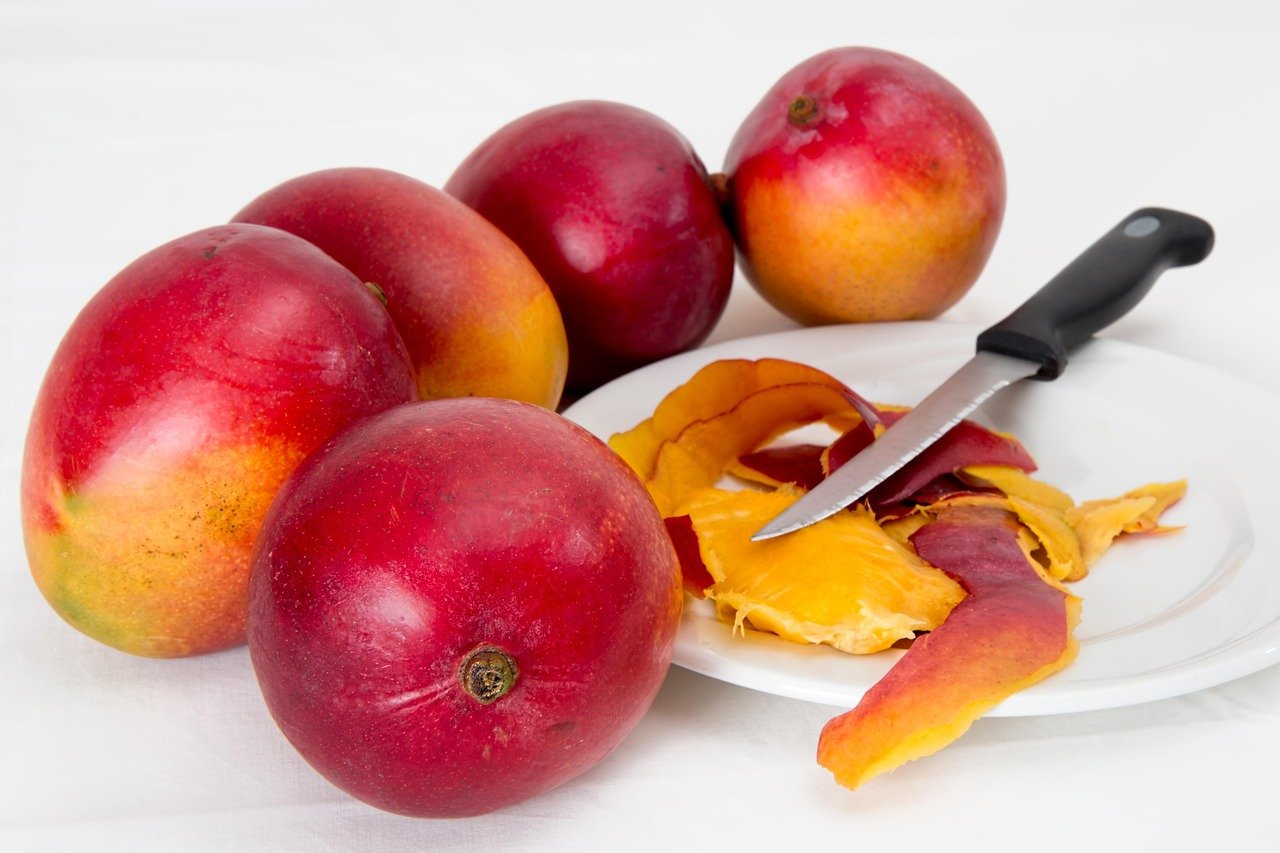
A paring knife is an essential tool in any kitchen. Typically, it has a small and thin blade, measuring between 2.5 to 4 inches. These knives are primarily used for intricate tasks, such as peeling fruits, deveining shrimp, or trimming vegetables. Selecting the right paring knife requires an understanding of the different types and their specific functions.
Common Types of Paring Knives

Straight Paring Knives
- Blade Design: These knives have a straight edge and a pointed tip.
- Use: Ideal for precision tasks, such as slicing or peeling. Your go-to option for tasks requiring control.
Curved Paring Knives
- Blade Design: These feature a slight curve in the blade for better slicing capability.
- Use: Best for creating garnishes or cutting around the pits in fruits.
Bird’s Beak Paring Knife
- Blade Design: Characterized by a curved blade that resembles a bird’s beak.
- Use: Excellent for intricate peeling and coring tasks, particularly on round fruits like apples or tomatoes.
Tomato Knife
- Blade Design: Features a serrated edge, designed specifically for tomatoes.
- Use: Perfect for soft-skinned fruits and vegetables that require a gentle touch.
Blade Material: Choosing the Right Steel
The material of the blade significantly impacts the durability and performance of a paring knife. Common types include:
Stainless Steel
- Benefits: Resists rust and corrosion, easy to maintain, and maintains sharpness relatively well.
- Ideal For: Everyday kitchen tasks where durability is essential.
High-Carbon Stainless Steel
- Benefits: Offers a hard edge that holds its sharpness longer than standard stainless steel, yet is still resistant to rust.
- Ideal For: Home cooks who prefer precision cuts and frequent use.
Ceramic
- Benefits: Lightweight and maintains edge longer than steel, but is brittle and can chip easily.
- Ideal For: Occasional use and tasks that don’t require heavy chopping.
Damascus Steel
- Benefits: Combines high performance with aesthetic appeal. Known for its durability and sharp edge.
- Ideal For: Culinary enthusiasts who appreciate artistry in their tools.
Handle Material and Comfort
The handle of a paring knife is critical for comfort and control, especially during intricate tasks. Here are some materials to consider:
Wood
- Pros: Offers a classic aesthetic, a warm feel, and good grip.
- Cons: Requires maintenance to avoid moisture absorption and cracking.
Plastic
- Pros: Lightweight, affordable, and often dishwasher safe.
- Cons: Less durable than wood or metal and may not provide as secure a grip.
Rubber or Santoprene
- Pros: Provides a non-slip grip, very comfortable, and resistant to moisture.
- Cons: Sometimes more costly than plastic handles.
Metal
- Pros: Extremely durable and easy to clean; some metal handles have ergonomic designs.
- Cons: May become slippery when wet unless textured.
Balance and Weight
A knife’s balance—where the weight is distributed—can significantly affect its handling. When choosing a paring knife, hold it in your hand:
- Well-Balanced Knives: The weight should be evenly distributed between the blade and handle for better control.
- Lightweight Knives: Ideal for precision tasks where maneuverability is key.
- Heavier Knives: Provide more stability and strength for tougher tasks, but might be less maneuverable.
Blade Edge: Sharpness and Maintenance
The sharpness of a paring knife directly influences its performance. Consider these points:
Factory Edge vs. Hand-Honed
- Factory edges are convenient but may require honing for maximum sharpness.
- Hand-honed blades are sharper and require less frequent sharpening.
Easy Maintenance
- Choose a knife that aligns with your willingness to maintain it. Ceramic may require specialized sharpeners, while high-carbon steel might require oiling to prevent rust.
Price Range: Budget Considerations
Investing in a quality paring knife can uplift your cooking experience, but keep the following in mind regarding budget:
- Low-Budget Knives ($10-$30): Typically made from less durable materials, suitable for occasional use or beginner cooks.
- Mid-Range Knives ($30-$80): Offer better materials and performance. Look for good balance and ergonomics.
- High-End Knives ($80+): Often hand-crafted with superior materials, these knives provide long-lasting performance and comfort for serious home chefs.
Personal Preferences and Brand Reputation
Lastly, customer reviews highlight the subjective nature of knife performance. Always consider personal preferences, such as:
- Aesthetic Appeal: Does the knife’s design align with your kitchen’s style?
- Brand Reputation: Brands like Wüsthof, Victorinox, and Shun are renowned for their craftsmanship. Research brand reviews and customer feedback before making a choice.
Conclusion
Careful consideration of a paring knife’s type, material, design, balance, edge, and price will yield significant benefits in your kitchen tasks. Each element plays a vital role in ensuring your comfort and effectiveness while preparing various dishes. Understanding your needs, preferences, and available options will guide you toward the perfect paring knife tailored to your culinary endeavors.