


Understanding Knife Sharpening
The art of knife sharpening is an essential skill for any culinary enthusiast or professional chef. A sharp knife not only enhances food preparation but also ensures safety and efficiency in the kitchen. With the advancement of technology, consumers are presented with different knife sharpening options, namely manual and electric sharpeners. Understanding these options allows you to choose the best one for your needs.
Manual Knife Sharpeners
Types of Manual Sharpeners
Whetstones: Also known as sharpening stones, these are favored by chefs for their ability to provide a fine edge. Whetstones come in various grits, allowing you to select the level of sharpness you desire. Typically, they have a coarse side (for initial sharpening) and a fine side (for honing).
Honing Rods: Often made of steel or ceramic, honing rods don’t actually sharpen the blade but realign the edge. They are essential for maintaining the blade between sharpening sessions. Regular use extends the time between sharpenings.
Pull-Through Sharpeners: These sharpeners often feature two slots with ceramic or carbide rods. By simply pulling the knife through the slots, you can achieve a sharpened edge quickly. They are user-friendly but do not offer the precision of whetstones.
Advantages of Manual Sharpeners
Precision: Manual sharpeners allow for greater control over the sharpening angle, which can lead to a more refined edge, especially with whetstones.
Affordability: Generally, manual sharpeners are more budget-friendly than their electric counterparts.
Skill Development: Using a whetstone or honing rod can develop your knife skills, ensuring you’re involved in kitchen maintenance.
Portability: Manuals sharpeners are often lighter and more compact, making them ideal for travel or small kitchens.
Disadvantages of Manual Sharpeners
Learning Curve: Proper technique is essential when using a whetstone, which can intimidate beginners.
Time-Consuming: Sharpening manually can be a lengthy process compared to electric sharpening methods.
Electric Knife Sharpeners
Types of Electric Sharpeners
Multi-Stage Sharpeners: These devices often include multiple slots with different functions, typically beginning with coarse sharpening and moving to finer grits to hone the edge.
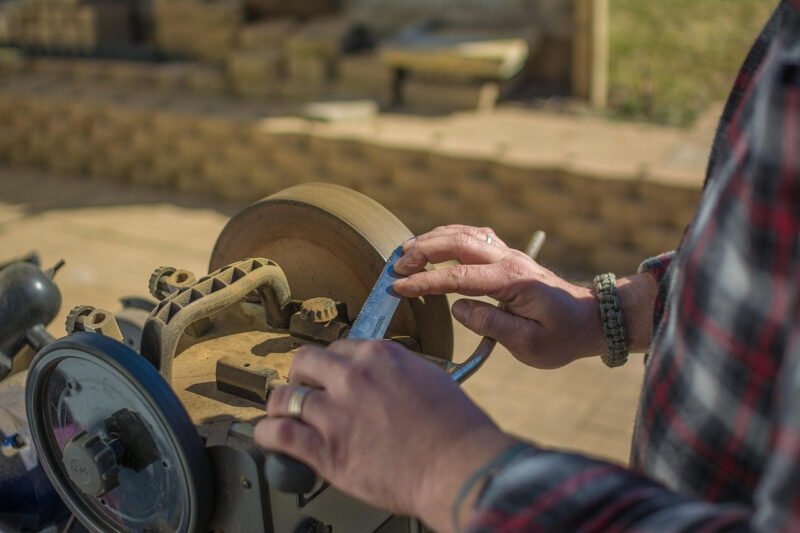
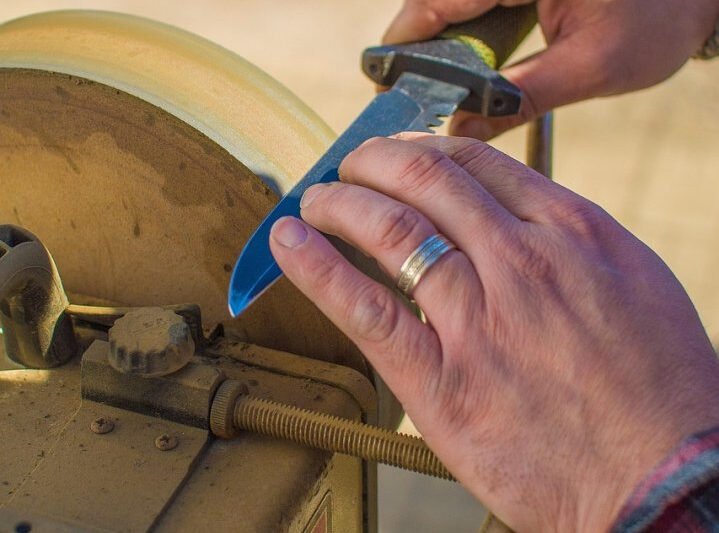
Single-Stage Sharpeners: Designed for quick touch-ups, these sharpeners are less versatile but very easy to use.
Professional Electric Sharpeners: High-end models are designed for serious chefs and can sharpen various types of blades and knives efficiently, often featuring diamond abrasives.
Advantages of Electric Sharpeners
Speed: Electric sharpeners significantly reduce the time required to sharpen a knife.
Ease of Use: They eliminate the need for technique, allowing anyone with minimal knife knowledge to achieve a sharp edge quickly.
Consistency: Electric options provide a uniform sharpening angle, leading to more consistent results across multiple knives.
Disadvantages of Electric Sharpeners
Cost: Electric sharpeners are generally more expensive upfront due to their technology.
Bulkiness: They require more kitchen counter space and might not be as portable as manual options.
Over-Sharpening Risk: Some electric sharpeners can remove too much material from the blade over time, shortening its lifespan if used incorrectly.
Choosing the Right Sharpening Method
Skill Level: If you’re a beginner, an electric sharpener may be the best option for ease of use. In contrast, those interested in honing their skills may find the learning curve of a whetstone rewarding.
Frequency of Use: For the occasional home cook, a manual honing rod could suffice for maintenance. But for daily cooking, or for professional chefs, investing in an electric sharpener might be essential for efficiency.
Knife Types: Specialty knives like serrated blades or those with unique shapes might require specific tools. Some electric sharpeners accommodate various styles, while manual sharpeners like whetstones can adjust for different blade types through technique.
Maintenance of Sharpness
Regardless of the chosen sharpening tool, knife maintenance is crucial. Regular honing after each use preserves the sharpness of the blade. Additionally, storing knives properly—such as in a knife block or on magnetic strips—prevents blades from dulling due to contact with other utensils.
Safety Considerations
Knife sharpening can pose safety risks. Always ensure you’re using a steady surface when sharpening and consider wearing cut-resistant gloves, especially if you are new to the sharpening process. When using an electric sharpener, make sure to follow the manufacturer’s instructions to avoid injury.
Conclusion
Understanding the differences between manual and electric knife sharpeners is foundational for selecting the right one that fits your needs. Weighing the advantages and disadvantages of each sharpening method, considering your cooking habits, skill level, and types of knives you own, will lead to better knife maintenance and, ultimately, a more enjoyable cooking experience. Future-proof your culinary skills by investing the time into finding the sharpening method that suits you best.