


Understanding the Clam Knife
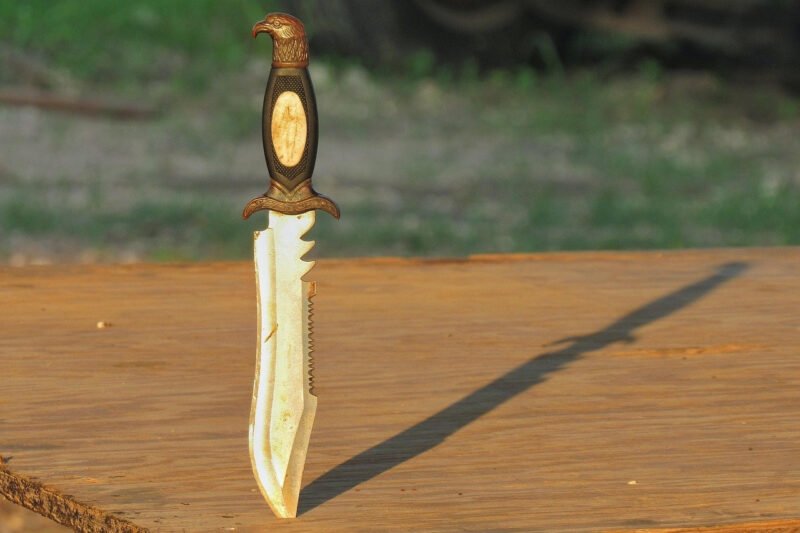
A clam knife is a specialized tool designed for opening clams safely and efficiently. It features a thin, tapered blade that allows for precision when prying open shellfish without damaging the meat. While using a clam knife is straightforward, understanding its anatomy and purpose can greatly enhance your clam-digging experience. The typical clam knife has a blade that is either straight or slightly curved, and a handle that provides a comfortable grip. Familiarizing yourself with its parts allows for better control and reduces the risk of accidents.
Choosing the Right Clam Knife
When selecting a clam knife, consider the type of clams you will be harvesting. Different species may require specific tools. For instance, a thicker-bladed knife is better suited for hard-shelled clams, while a thin blade is ideal for softer varieties. If you are just starting, opting for a clam knife with a sturdy handle and a manageable blade length (around 3 to 4 inches) ensures ease of use and safety.
Essential Safety Gear
Before you start using a clam knife, it’s crucial to equip yourself with the right safety gear. This includes:
Cut-Resistant Gloves: These provide an added layer of protection against accidental cuts and should be worn at all times while handling the knife and shellfish.
Water-Resistant Footwear: Since clam digging often occurs in muddy, wet areas, wearing waterproof boots will keep your feet dry and safe from slipping.
Protective Eyewear: If you are working in an environment where shell bits may fly, consider wearing safety goggles to protect your eyes.
Proper Technique for Using a Clam Knife
Preparation: Before heading out to dig clams, ensure your knife is clean and sharp. A dull knife can lead to slips, which may cause injuries. Inspect the blade for nicks and other wear and tear.
Identifying Live Clams: When searching for clams, look for siphons or holes in the sand. Use a shovel or your hands to dig cautiously, avoiding any aggressive actions that can crack the shell.
Stabilizing the Clam: Once you’ve excavated the clam, place it on a stable, flat surface, opening-side facing up. Alternatively, you can hold the clam securely in one hand, ensuring that your grip does not obstruct the clam’s hinge.
Inserting the Knife: Starting at the hinge, gently slide the blade of the clam knife into the narrow gap. A slight wiggling motion can help the blade penetrate the shell more easily. Always angle the knife towards the shell and away from your body to prevent injuries.
Prying Open the Shell: With the blade inserted, apply gentle pressure to pry the shell open. Rotate the knife slightly to create more leverage. Avoid using excessive force; instead, use a controlled motion to avoid breaking the shell.
Cutting the Muscle: Once the shell is partially open, use the knife to cut the adductor muscle, which holds the shell closed. Insert the blade and slice along the inside of the top shell, detaching the muscle to fully open the clam. This step is crucial for ensuring that the clam can be removed without hassle.
Removing the Clam: Once the muscles are severed, gently lift the top shell, and use the knife to free the clam meat from the bottom shell. Be careful to avoid tearing the flesh.
Post-Use Care for the Clam Knife
After using your clam knife, it’s essential to clean it properly to ensure its longevity. Rinse the knife in clean water, removing any sand and shell residue. For a thorough cleaning, use mild soap and a sponge. Once cleaned, dry the knife completely to prevent rust. Store it in a dry, cool place, preferably in a protective sheath or a designated knife holder to maintain its sharp edge.
Avoiding Common Mistakes
Using Excessive Force: Many accidents occur when individuals attempt to use too much strength. Always prioritize control and precision over power.
Holding the Clam Incorrectly: When holding the clam, ensure that your fingers are clear of the blade’s path. This will mitigate the risk of accidental cuts.
Neglecting Maintenance: A well-maintained knife is safer and more efficient. Regularly inspect your clam knife for signs of damage and keep it sharp.
Best Practices for Clam Digging
Beyond safety with the knife, practice responsible clam digging to ensure sustainability:
Harvest Responsibly: Adhere to local regulations regarding shellfish sizes and limits. This helps maintain healthy populations for future generations.
Know the Environment: Be aware of the tides and weather conditions. Digging during low tide will provide better access to clams while minimizing safety risks.
Leave No Trace: After harvesting, fill in any holes created during digging to preserve the natural environment.
Understanding Local Regulations
Different regions have specific regulations regarding clam harvesting, including licensing, seasonal restrictions, and permissible areas. Always research and understand your locality’s requirements. This not only ensures your compliance with the law but also contributes to sustainable practices that protect marine resources.
Dealing with Accidents
Even with the utmost precautions, accidents can occur. Familiarize yourself with basic first aid, particularly for cuts and punctures. Keep a first-aid kit handy during your clam-digging excursions. Should a cut occur, thoroughly clean the wound, apply antiseptic, and cover it with a sterile bandage. If the injury is severe, seek medical attention promptly.
Final Tips for Enjoying Your Clam Harvest
Recipe Repertoire: Once you’ve safely harvested your clams, enhance your culinary skills by exploring various clam recipes. From clam chowder to steaming, there’s an abundance of delicious options.
Sharing Knowledge: If you’re passionate about clam digging, share your skills with friends or family. Teaching others the importance of safety and technique ensures more clammers cultivate responsible habits.
Stay Informed: Join local groups or forums dedicated to shellfishing. Staying updated with community tips and experiences can improve your clam knife skills and harvesting techniques.
By mastering the safe use of a clam knife and adhering to sustainable harvesting practices, you enhance your enjoyment of this rewarding activity while respecting the environment and marine ecosystems.