


The Origins of the Tanto Knife
The tanto knife traces its origins back to Japan, dating as far back as the 12th century, during the Heian period (794-1185). Originating as a short blade, the tanto was initially designed to serve both practical and ceremonial purposes. The knife was primarily used by the samurai class, embodying a fusion of practicality and art, mirroring the warrior’s life.
Tanto knives traditionally featured a single-edged blade, which distinguished them from other Japanese weapons. The blade’s design often extended around 6 to 12 inches, making it ideal for close-quarter combat. Furthermore, the tanto’s construction typically utilized high-quality steel, enhancing its durability and effectiveness.
Evolution Through the Ages
As the centuries progressed, the tanto’s design evolved, reflecting the shifting needs and techniques of Japanese combat. By the Muromachi period (1336-1573), the tanto had started to gain popularity as a standalone weapon, rather than just an accessory to a katana. Its blade began to be crafted with a tanto-style geometry, which featured a wide, flat area and an acute point—ideal for thrusting attacks.
With the advent of the Edo period (1603-1868), the tanto reached new levels of popularity among both the samurai and the civilian population. During this time, the tanto was often worn as a symbol of status, a signifier of a person’s high rank and combat expertise. The craft of tanto-making became an esteemed art, with skilled smiths mastering various techniques, leading to extensive variations in blade design, construction methods, and overall aesthetics.
Design Features
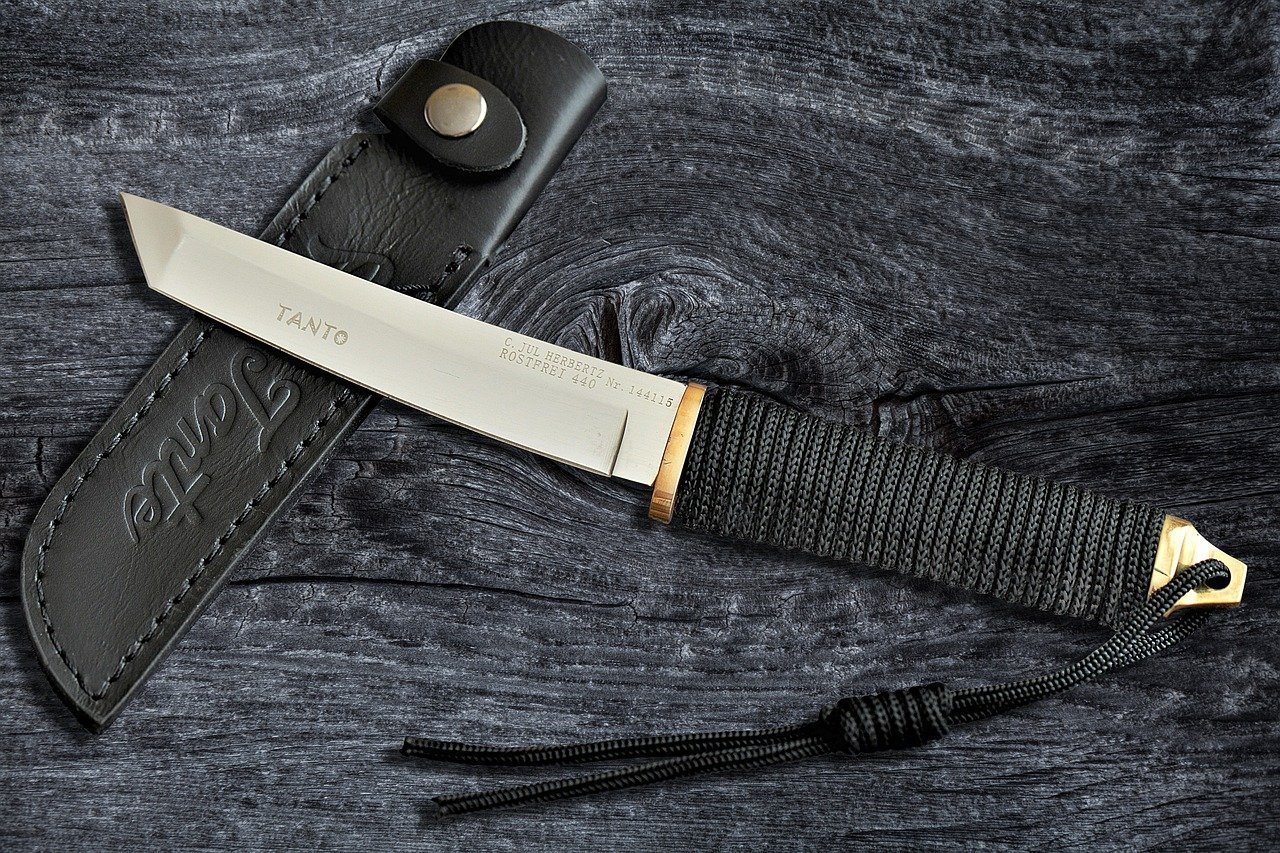
The tanto’s unique design elements contribute to its effectiveness as both a weapon and a tool. One of the most notable aspects is the blade’s geometry. Traditional tantos showcase a tanto point: a strong, pointed edge, ideal for penetrating. This feature is complemented by the tanto blade’s width, which aids in strength and allows for a wider full tang for the handle.
The handle, or tsuka, is typically wrapped in silk or cotton cord using the same techniques found in larger swords, ensuring a firm grip during use. The tang, or nakago, is usually longer than that of other knives, contributing to the weapon’s stability.
Further distinguishing the tanto is its blade profile, which varies from the shinogi-zukuri style featuring a ridged midsection to the hira-zukuri style with no ridges. This variation allows artisans the freedom to showcase their creativity, producing tanto blades that are both useful and beautiful.
The Tanto in Combat
Throughout Japanese history, the tanto was not only a weapon but also a tool for self-defense. It was often used in civil disputes due to its practical size, making it easily concealable. Notably, the tanto became popular for close combat situations, where larger weapons like the katana were less effective.
Samurai would utilize the tanto in training known as “tanto jutsu,” focusing on precision, speed, and the importance of quick, efficient strikes. Techniques and styles varied, typically embracing the philosophy of the samurai code, known as Bushido, which emphasized honor and responsibility.
Cultural Significance and Artwork
As the tanto evolved from a utilitarian weapon to a revered piece of art, its cultural significance expanded. Tantos became integral to various ceremonial practices, including tea ceremonies and family heirlooms, where they were passed down through generations.
The craftsmanship of the tanto also led to a booming industry in the Edo period, with artisans producing elaboratively decorated blades. Artisans frequently embellished tanto with intricate tsubas (hand guards), ornate fuchi (mouthpiece), and kabutogane (backing), effectively transforming these blades into valuable art pieces. These decorative elements often depicted nature, mythology, and historical themes, making them artistic as well as functional.
The Modern Tanto Knife
In the 20th century, the tanto knife saw a resurgence in popularity, especially outside of Japan. Its contemporary versions often combine the traditional designs with modern materials and techniques. Manufacturers began to create tanto knives for outdoor enthusiasts, survivalists, and military personnel, capitalizing on the knife’s durable build and remarkable utility.
Many modern tanto knives are crafted using stainless steel, enhancing their resistance to corrosion and their ease of maintenance. Additionally, modern tanto knives often feature composite handles made from materials like G10, Micarta, or rubber, ensuring both comfort and stability.
Tactical Applications
The tactical applications of the modern tanto knife have contributed to its popularity among military, law enforcement, and survival communities. The tanto blade’s spear-point design has made it popular for piercing through tough materials, including tactical gear and heavy clothing during close confrontations.
Manufacturers such as Cold Steel, Ka-Bar, and SOG have integrated tanto knives into their product lines, producing versatile and reliable tools for everyday carry (EDC) and tactical operations. These contemporary designs often feature adjustable sheaths and multifunctional capabilities, catering to diverse needs and situations.
Conclusion of the Journey
From its humble beginnings as a samurai’s sidearm, the tanto knife has evolved into a complex symbol of Japanese culture and craftsmanship. Its enduring legacy reflects not only its practical utility as a weapon but also its aesthetic appeal as a work of art. Today, the tanto knife remains revered in both martial circles and among collectors, making it a significant piece of weaponry history and a testament to the evolution of craftsmanship through centuries.
As a blend of functionality and artistry, the tanto has stood the test of time, remaining relevant in contemporary knife culture, showcasing the adaptability of this remarkable blade throughout generations. From its inception in feudal Japan to its emergence in modern tactical circles, the tanto knife is undoubtedly a blade that symbolizes both history and innovation.