



Understanding Sushi Knives

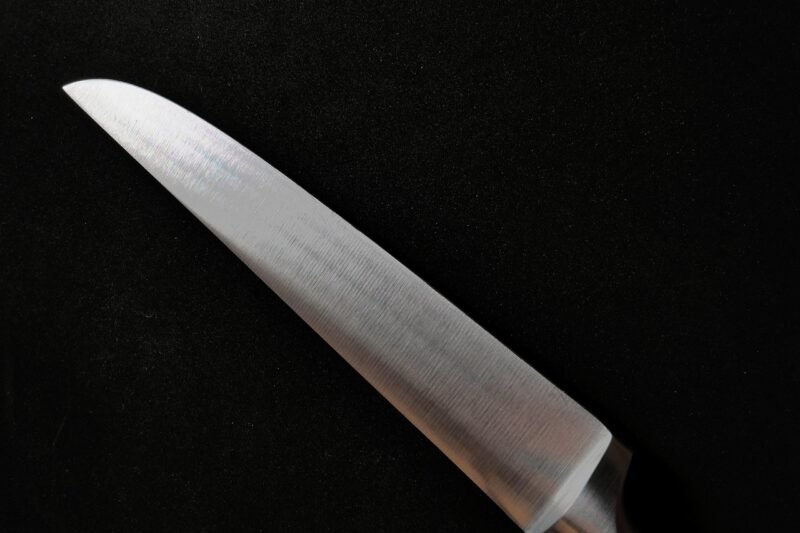
Sushi knives, or “yanagiba,” are specialized blades designed for slicing raw fish and preparing sushi. Their design and functionality allow for precision and artistry in Japanese cuisine. Unlike ordinary kitchen knives, sushi knives feature elongated, thin blades that provide clean, straight cuts, essential for maintaining the texture and quality of the fish.
Types of Sushi Knives

Yanagiba Knife
- Usage: Primarily for slicing raw fish.
- Design: A long, curved design with a single bevel, allowing for a smooth cut with minimal pressure.
- Lengths: Typically ranges from 210mm to 300mm.
- Material: High-carbon stainless steel or high-carbon steel, known for retaining sharp edges.
Deba Knife
- Usage: Multi-purpose knife for filleting fish and butchering smaller meats.
- Design: Thick, robust blade designed for cutting through bones.
- Features: Has a double bevel for stability.
- Sizes: Commonly ranges from 150mm to 240mm.
Usuba Knife
- Usage: Perfect for vegetable preparation, especially in making garnishes and presentations.
- Design: A thin-bladed, single bevel knife, preferred for precise cuts.
- Ideal For: Chopping vegetables and making intricate designs.
Sujihiki Knife
- Usage: Similar to the yanagiba, used primarily for slicing cooked meats and fish.
- Design: A double-beveled blade offers versatility in the kitchen.
Key Features to Look For
Blade Material
High-Carbon Stainless Steel
- Combines the best of both worlds: corrosion resistance and edge retention.
- Ensures a sharp, long-lasting blade.
High-Carbon Steel
- Renowned for holding a razor-sharp edge.
- Requires more maintenance to prevent rusting.
SG2 Powdered Steel
- Offers superior hardness and edge retention.
- A popular choice for professional chefs due to its incredible sharpness.
Handle Design
Wa Handle
- Originating from Japan, the wa handle is ergonomic and made from natural materials like wood, providing a comfortable grip.
Yo Handle
- Common in Western-style knives, usually made from synthetic materials for durability.
Balance and Weight
- The knife should feel balanced in hand, ideally with a weight that suits personal preference for better control.
Maintenance of Sushi Knives
Regular Honing
- Use a honing rod to realign the edge and keep the knife sharp.
Sharpening
- Employ whetstones or professional sharpening services for maintaining the edge, especially for traditional high-carbon blades.
Cleaning
- Hand wash with mild soap and soft cloth; avoid the dishwasher to preserve the blade and handle condition.
Storage
- Utilize a knife block, magnetic strip, or blade guards to prevent chipping and dulling.
Top Sushi Knives on the Market
1. Shun Premier 9-Inch Yanagiba Knife
- Features: VG10 steel core with 16 layers of stainless steel, producing a stunning Damascus pattern.
- Ergonomics: D-shaped Pakkawood handle for comfort and stability.
- Professional use: Excellent choice for both home cooks and sushi chefs.
2. MAC Knife 9.5-Inch Sushi Chef’s Knife
- Material: High-carbon stainless steel, providing exceptional sharpness.
- Design: Lightweight and well-balanced, making slicing easier.
- User-friendly: Excellent for both beginners and professionals.
3. Tojiro DP 8.2-Inch Yanagiba
- Value: Affordably priced for a high-quality knife.
- Material: VG-10 steel with a wooden handle.
- Performance: Known for its sharpness and ease of use.
4. Mizuno 9.5-Inch Yanagiba
- Artistry: Beautifully handcrafted with an intricate finish.
- Material: Premium high-carbon steel with exceptional sharpness retention.
- Appeal: Highly regarded among sushi professionals.
5. Global G-2 8.75-Inch Chef’s Knife
- Versatility: Though not a traditional sushi knife, it performs well for various kitchen tasks.
- Material: Cromova 18 stainless steel, ensuring durability and rust resistance.
- Functionality: Perfect balance with a modern design.
Essential Accessories
- Whetstones: Consider a combination stone (1000/3000 grit) or a higher grit for professional sharpening.
- Knife Guards: Protect the edge and prolong the lifespan of your knife.
- Honing Rods: Maintain the edge between sharpenings.
Buying Guide
- Skill Level: Choose a knife that matches your comfort and proficiency. Beginners could start with a versatile knife before advancing to a yanagiba.
- Budget: High-quality sushi knives can range significantly in price, so establish a budget before shopping.
- Authenticity: Look for reputable brands and check for authenticity in materials, especially high-carbon steel.
FAQs about Sushi Knives
Can I use a regular kitchen knife for sushi?
- While possible, it won’t yield the same quality of cuts as a specialized sushi knife.
What is the best way to maintain a sushi knife?
- Regular honing and proper cleaning after each use are key to maintaining its performance.
Are sushi knives suitable for other types of food?
- Many sushi knives can be used for similar tasks, but they excel in slicing fish.
By carefully selecting a sushi knife that suits your needs and maintaining it properly, you can elevate your culinary skills and enhance the art of sushi-making. Each knife embodies craftsmanship and tradition essential to mastering this delicate cuisine.