



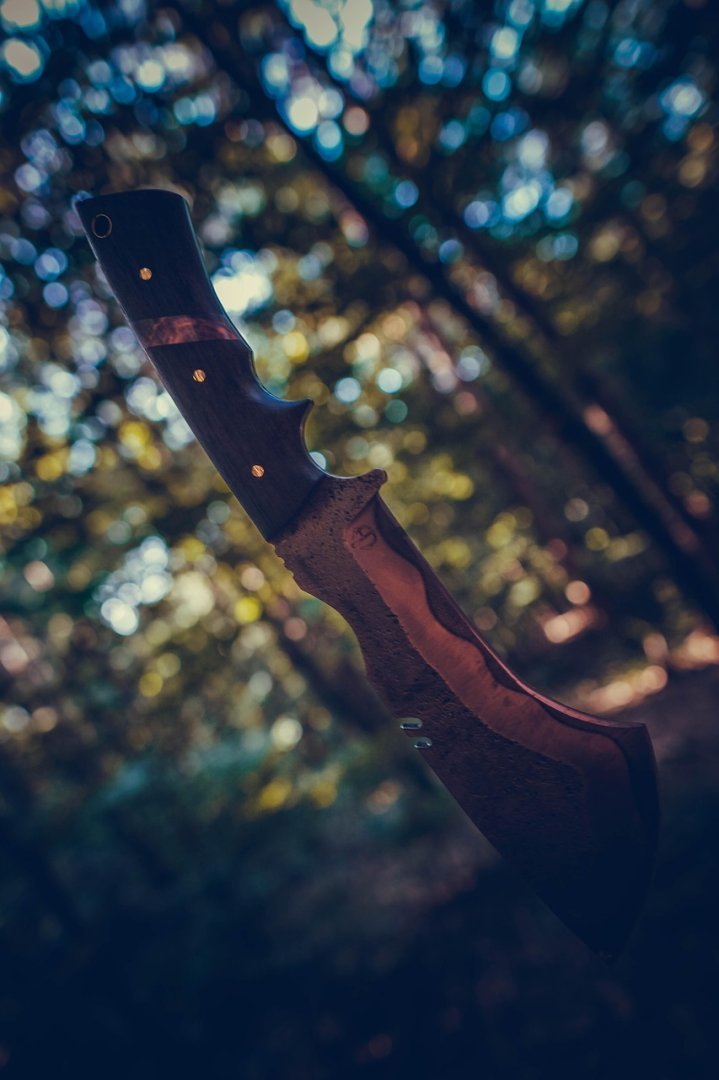
Understanding Tactical Combat Knives
Tactical combat knives serve a variety of purposes, including survival, self-defense, and utility applications. The primary goal in selecting a tactical knife is to ensure it meets your specific needs. The effectiveness of a tactical knife is greatly influenced by its design, materials, and ergonomics, which can vary widely.
Blade Types
Fixed Blade Knives
- Strength: Fixed blade knives offer superior strength and durability. The blade is a single piece of metal, making them less prone to failure during heavy use.
- Uses: Ideal for survival situations, combat scenarios, and extended outdoor activities. They can handle more strenuous tasks like chopping and prying.
- Example: The Ka-Bar Becker BK2 is known for its robustness and versatility.
Folding Knives
- Convenience: Folding knives are portable and easier to carry. They can be concealed easily, making them suitable for everyday carry (EDC).
- Uses: Best for general utility tasks and situations where a larger knife might be impractical.
- Example: The Benchmade Griptilian offers a great balance between size and functionality.
Multi-tools
- Versatility: Multi-tools often combine a knife blade with other features such as pliers, screwdrivers, and various attachments.
- Uses: Perfect for campers, electricians, or anyone needing a variety of tools at their fingertips.
- Example: The Leatherman Wave is a popular choice due to its comprehensive features.
Blade Material
Choosing the right blade material is critical for performance, durability, and edge retention. Here’s a comparison of common materials:
Stainless Steel
- Pros: Excellent resistance to corrosion, ideal for wet environments.
- Cons: May not hold an edge as well as carbon steel.
- Recommendation: Look for high-carbon stainless steel for a good balance of both benefits.
Carbon Steel
- Pros: Exceptional edge retention and ease of sharpening.
- Cons: Prone to rust if not maintained properly.
- Recommendation: A preferred choice for survivalists and outdoor enthusiasts who understand maintenance.
Tool Steel
- Pros: Exceptional toughness and edge retention.
- Cons: Can be more expensive and susceptible to corrosion unless treated.
- Recommendation: D2 and CPM-3V are popular examples.
Blade Shape
The shape of the blade affects its performance and usability. Common blade shapes include:
Drop Point
- Features: A strong tip and a curved blade make it versatile for slicing and piercing.
- Uses: Great for hunting, camping, and general utility tasks.
Tanto
- Features: A strong tip with a flat edge which provides excellent penetration.
- Uses: Suitable for tactical applications and piercing through tough materials.
Clip Point
- Features: Offers a sharp, controllable tip.
- Uses: Ideal for precise tasks such as slicing through tougher materials.
Handle Material
The handle should provide a secure and comfortable grip. Common materials include:
G10
- Pros: Lightweight, strong, and water-resistant.
- Uses: Preferred for forays in rugged conditions.
Micarta
- Pros: Durable and provides a good grip, even in wet conditions.
- Uses: Often found on high-end tactical knives.
Rubber and Kraton
- Pros: Textured for better grip and very comfortable.
- Uses: Great for extended use.
Grip Styles
When selecting a tactical knife, the grip style is just as important as the handle material:
- Ergonomic Designs: Focus on comfort during extended use.
- Textured Handles: Provide better grip in high-stress situations.
- Finger Grooves: Improve control for precision tasks.
Size and Weight
Consider the size and weight for your intended use:
Larger Knives
- Pros: Suitable for heavy-duty tasks.
- Cons: Less portable.
Compact Knives
- Pros: Easier to carry and conceal.
- Cons: May not handle heavy tasks as well.
In general, a balanced weight that you can comfortably carry without compromising the performance is ideal.
Blade Thickness
- Thin Blades: Perfect for cutting and slicing but less durable under heavy pressure.
- Thick Blades: Ideal for prying or chopping, but may not slice as easily.
Weight Distribution
Weight distribution can affect usability. A well-balanced knife feels comfortable and easy to handle, while a poorly balanced knife can lead to fatigue during use.
Sheath Options
Selecting the right sheath is also crucial for carrying and protecting your tactical knife. Available options include:
- Kydex: Offers a secure fit and quick access.
- Leather: Provides a classic look but may require more maintenance.
- Molle-Compatible Designs: Allows attachment to backpacks and tactical vests.
Brand Reputation
Research brands that specialize in tactical knives. Some reputable brands include:
- Spyderco: Known for innovative designs and high-quality materials.
- Cold Steel: Offers robust knives known for their strength.
- Benchmade: Renowned for precision engineering and warranty.
Reviews and Community Feedback
Before making a purchase, examine reviews and customer feedback online. Forums, blogs, and YouTube channels dedicated to outdoor gear provide valuable insights. Pay attention to practical use cases and user experiences.
Price Considerations
Tactical knives vary significantly in price, often reflecting construction quality and materials. Establish your budget beforehand. Avoid overly cheap options as they may sacrifice quality. Instead, look for:
- Mid-Range Options: Typically provide a good balance of quality and affordability.
- High-End Knives: Ideal for serious collectors or professionals, often coming with exceptional warranties.
Intended Use
Consider how you plan to use the knife. Are you looking for it to serve:
- Survival: Go for a durable, fixed-blade knife with all-around functionality.
- Tactical Situations: Opt for a robust, compact knife with a design suited for combat.
- Everyday Carry: Focus on a lightweight, folding knife that fits comfortably in your pocket.
Legal Considerations
Before acquiring a tactical knife, familiarize yourself with the local laws regarding knife ownership and carry. Some regions have strict regulations on blade length and types of knives permissible for carry.
Conclusion
Selecting the best tactical combat knife involves careful consideration of various factors including blade type, material, design, and intended use. By understanding these factors, you can ensure that you select a knife that not only meets your needs but also stands the test of time.