


Understanding the Different Types of Knife Sharpeners
The sharpness of a knife plays a key role in its functionality and safety. A dull knife is not only inefficient but can also lead to accidents due to the increased force required to cut through materials. To maintain a knife’s edge, various types of sharpeners are available, each designed to cater to different needs, skill levels, and knife types. This article explores the various types of knife sharpeners, their mechanisms, and suitable applications.
1. Manual Knife Sharpeners
A. Whetstones (Sharpening Stones)
Whetstones, or sharpening stones, have been used for centuries and are favored for their ability to create a finely honed edge. They come in different grits, from coarse to fine, allowing for edge maintenance or complete restoration. Typically made of natural or synthetic materials, whetstones require some prerequisites:
- Usage: Users must hold the knife at the correct angle (usually around 20 degrees for kitchen knives) and apply consistent pressure.
- Benefits: They offer greater control and the ability to sharpen various blade types. Additionally, they often require no electricity, making them portable and eco-friendly.
- Drawbacks: Learning to use a whetstone can be challenging for beginners, and it often requires practice to achieve optimal results.
B. Pull-Through Sharpeners
Pull-through sharpeners consist of two or more ceramic or carbide rods that are positioned at an angle. Users simply pull the knife through the slots for sharpening.
- Usage: Ideal for quick touch-ups; these sharpeners do not necessitate any prior experience.
- Benefits: Simple, portable, and user-friendly, making them perfect for novice cooks.
- Drawbacks: They often remove more material than necessary, which can shorten the life of the knife. They may not deliver the same level of sharpness as whetstones or professional sharpeners.
2. Electric Knife Sharpeners
Electric sharpeners have become popular due to their convenience and speed. They operate using a motorized system to draw the knife through hardened grinding wheels.
A. High-End Electric Sharpeners
These devices often allow for customizable sharpening angles, making them versatile for different knives, including serrated blades.
- Usage: Just insert the knife and let the machine do the work.
- Benefits: Fast and effective, they provide precision without extensive user input. Most models come with multiple grinding slots for different sharpening stages, accommodating various knife types.
- Drawbacks: They can be expensive and require electricity, limiting portability.
B. Budget Electric Sharpeners
More affordable electric sharpeners typically feature a fixed angle and fewer stages, making them less versatile.
- Usage: Users insert the knife in a designated slot and activate the sharpening process.
- Benefits: Cost-effective and efficient for casual users.
- Drawbacks: Limited control over sharpening angles can lead to uneven edges. The blades sharpened may not achieve the same level of sharpness as those sharpened manually or with higher-end models.
3. Professional Knife Sharpeners
Professional-grade sharpeners are typically used in commercial kitchens or by chefs and are designed for precision and quality.
A. Tormek and Similar Systems
These water-cooled sharpening systems utilize a wet grinding wheel to maintain the knife’s temper, preventing over-heating during sharpening.
- Usage: Great for high-quality Japanese steels and other premium knives.
- Benefits: They produce an incredibly sharp edge while preserving knife integrity.
- Drawbacks: These systems can be quite bulky and come at a high price point.
B. Bench Grinders
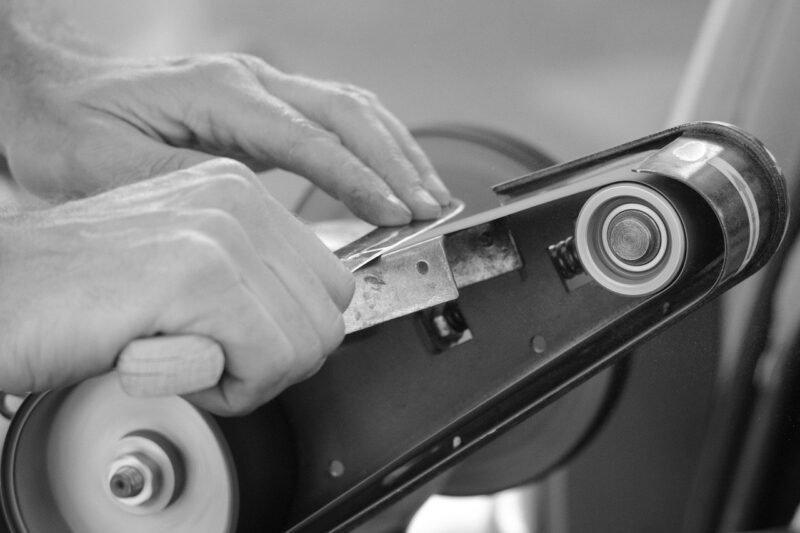
Bench grinders can be used for sharpening larger knives or tools and work extremely quickly given their high-speed capabilities.
- Usage: Involves guiding the knife across the spinning wheels; requires experience.
- Benefits: Very effective for larger blades and heavy-duty use.
- Drawbacks: Safety risks are present if not used properly; they can quickly remove too much material.
4. Honing Tools
While honing does not technically sharpen a knife, it aligns the knife’s edge, making it appear sharper and improving performance.
A. Honing Rods (Steel Rods)
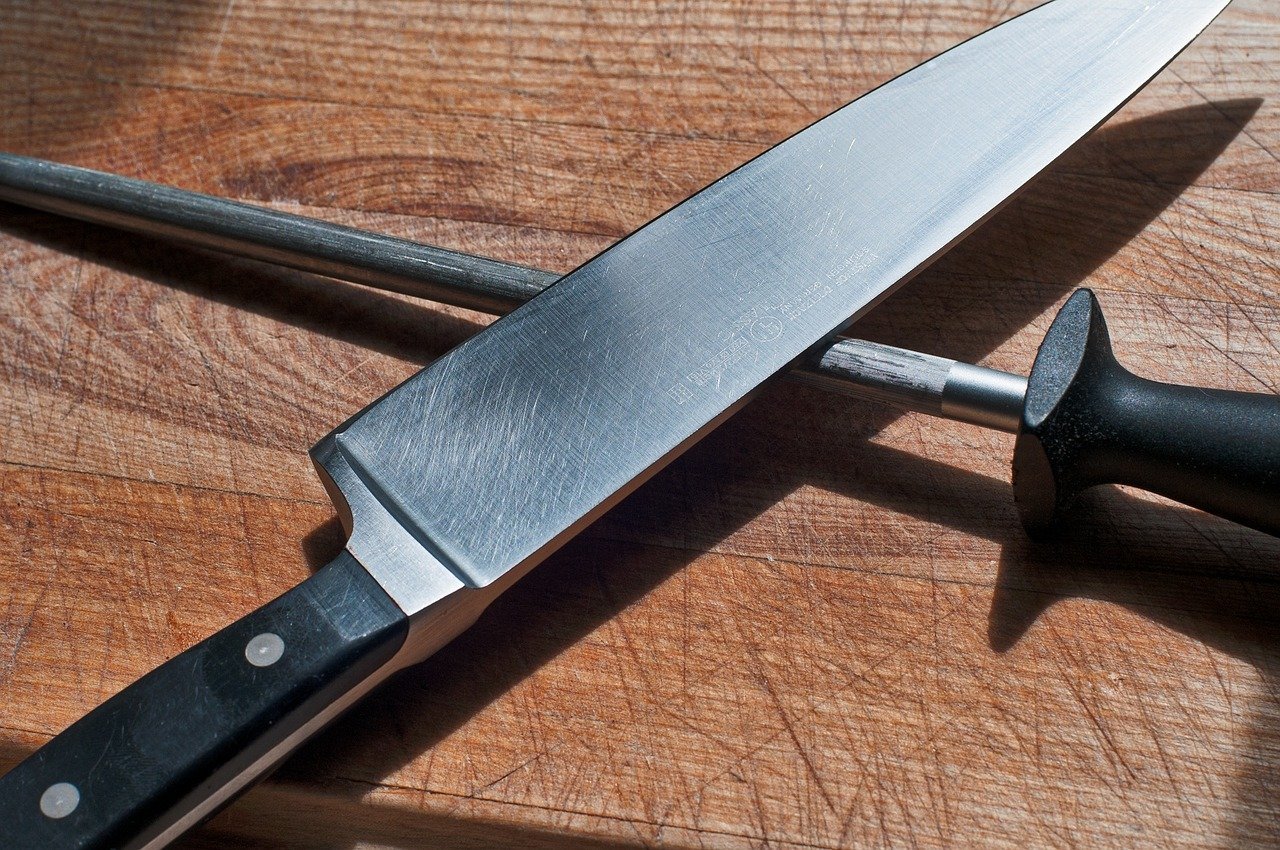
These long rods are typically made from stainless steel or ceramic and are used to maintain the knife’s sharpness.
- Usage: Regular use helps maintain the edge between sharpenings; a simple technique that is essential for chefs.
- Benefits: Easy to use and prevents dulling between sharpenings without removing significant material.
- Drawbacks: They do not replace sharpening but should complement it.
B. Diamond-Honing Rods
Strong and durable, they have a diamond coating that speeds up the honing process.
- Usage: Effective for both professional and home chefs looking to sustain their knife’s sharpness.
- Benefits: Faster than traditional honing rods and effective for harder steels.
- Drawbacks: Requires careful handling to avoid damaging the blade.
5. Specialty Knife Sharpeners
Specialty sharpeners cater to specific knives or cutting tools, addressing the needs of specialized users.
A. Serrated Knife Sharpeners
These sharpeners are designed for serrated edges, which require a different sharpening technique due to the grooves in the blade.
- Usage: Often have a tapered design to fit into the serrated edge effectively.
- Benefits: Quick and easy way to maintain serrated knives, extending their life.
- Drawbacks: Limited to serrated blades, so additional sharpeners may be necessary.
B. Scissor Sharpeners
Specifically designed for scissors, these sharpeners can be either manual or electric.
- Usage: Scissors are inserted into the sharpener, which aligns the blades for precise sharpening.
- Benefits: Provide an efficient way to maintain the sharpness of cutting tools used in crafting and sewing.
- Drawbacks: They are limited to only scissors, requiring additional tools for other cutting instruments.
Final Considerations
When choosing a knife sharpener, consider your knife collection, skill level, and how frequently you use your knives. Each type of sharpener serves a specific purpose, and the right choice will depend on your individual needs and preferences. Regular maintenance and proper usage of your chosen sharpening method will ensure your knives remain effective and safe.