


Electric Knife Sharpeners: Technology Meets Convenience

Electric knife sharpeners are designed to provide a quick and efficient sharpening experience. They use motorized mechanisms to sharpen knife edges, often equipped with multiple slots for different types of blades. The primary advantages of electric sharpeners include speed, consistency, and ease of use.
Speed and Efficiency
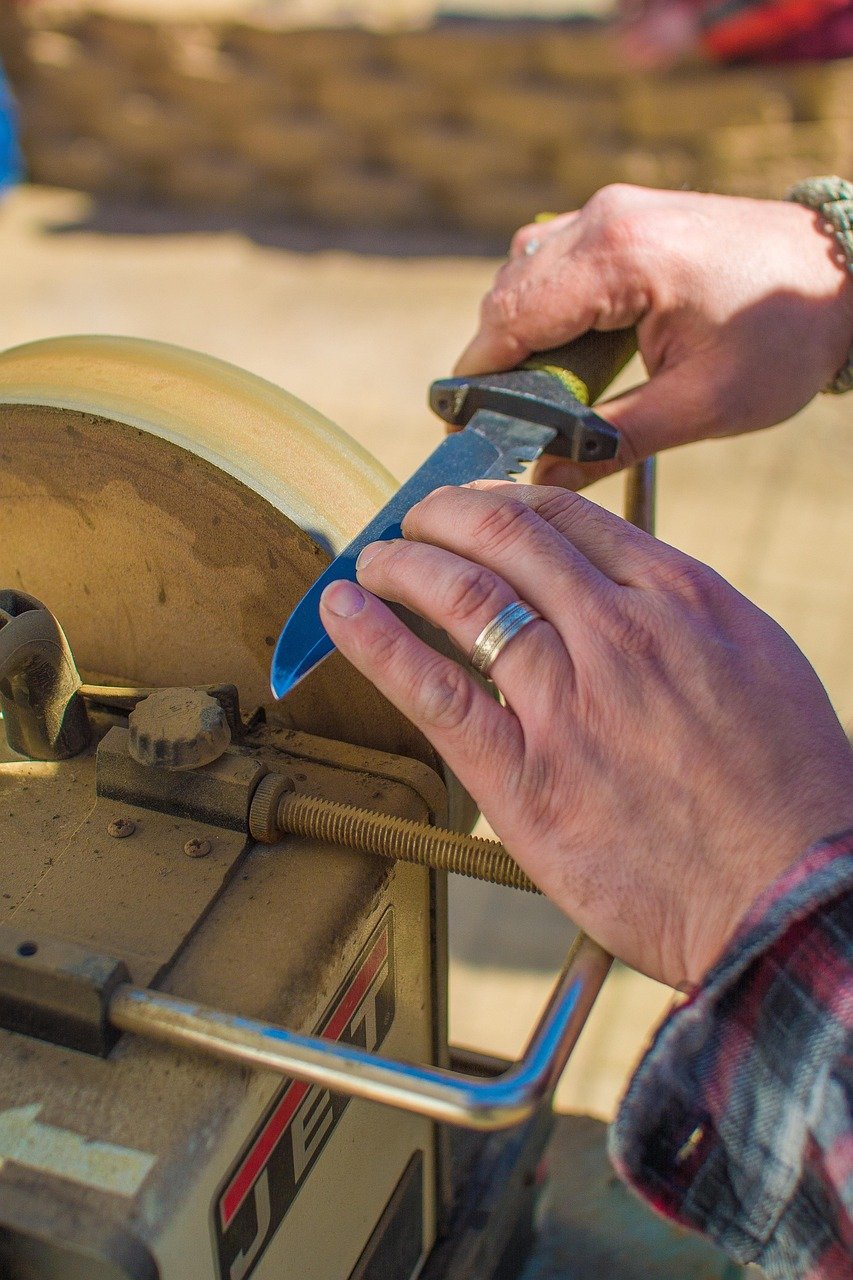
One of the main benefits of electric sharpeners is their ability to sharpen knives quickly. Depending on the model, you can achieve a razor-sharp edge in just a few minutes. This is particularly beneficial in professional kitchens and households where time is of the essence.
Consistency and Precision
Electric sharpeners often come with built-in angle guides that ensure your knife is sharpened at the correct angle every time. This consistency helps maintain the integrity of the blade and leads to longer-lasting sharpness. Additionally, many models can sharpen a variety of blade types, from plain edge to serrated, which enhances their versatility.
Ease of Use
For those who may lack sharpening expertise, electric sharpeners are generally user-friendly. All you need to do is insert the blade and allow the machine to do its work. This makes them ideal for novice cooks who may feel intimidated by manual sharpening techniques.
Variations and Features
Electric sharpeners come in various styles and complexities. Some models offer multiple stages of sharpening: initial sharpening, honing, and polishing. This multi-stage process can produce exceptionally sharp blades, though it often requires more time compared to a simple manual pass. Furthermore, many electric sharpeners include safety mechanisms to prevent accidental injuries, making them safer for users of all skill levels.
Maintenance and Care
Electric knife sharpeners do require some maintenance, such as cleaning the slot area to remove metal shavings. Some models also need the sharpening elements replaced periodically, which can add to long-term costs. Despite this, the durability and reliability of electric sharpeners often outweigh these considerations.
Manual Knife Sharpeners: The Traditional Approach
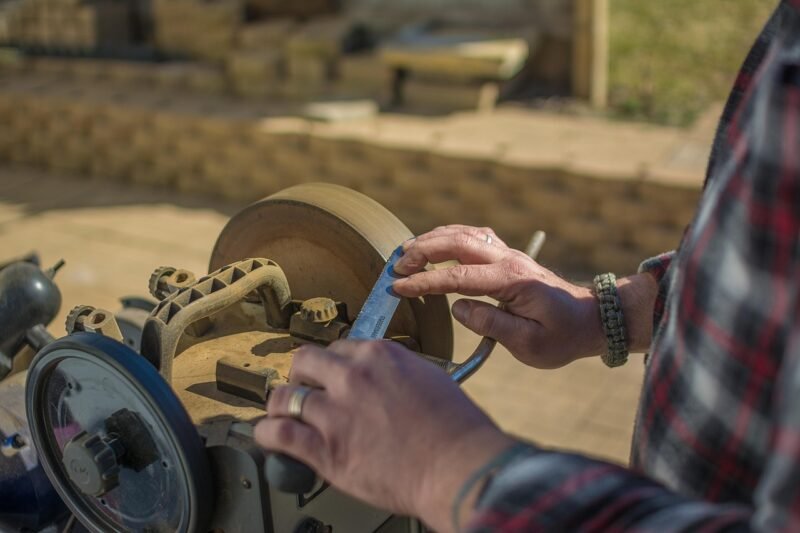
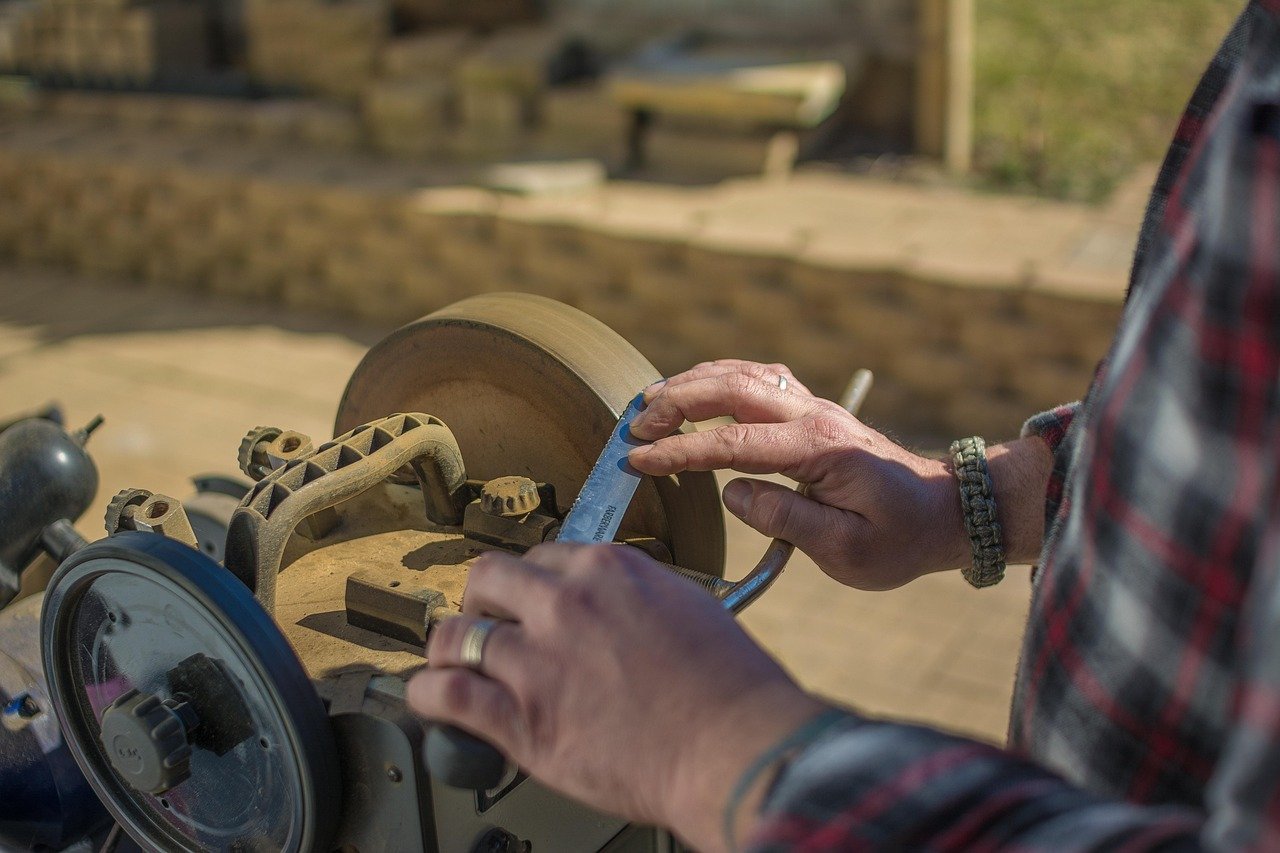
Manual knife sharpeners, ranging from whetstones to handheld devices, have been used for centuries. While they may seem less convenient than electric options, they offer unique advantages that many cooking enthusiasts still prefer.
Control and Skill Development
One of the primary benefits of using a manual sharpener is the level of control it provides. Users can adjust the pressure and angle according to their needs, allowing for custom sharpening tailored to each blade’s specific requirements. This hands-on approach helps users develop their knife skills and enhances their understanding of blade maintenance.
Versatility and Range
Manual sharpeners come in several forms, including whetstones, strops, and honing rods. Whetstones, for example, can be used for sharpening a wide array of knives beyond just kitchen knives, including pocket knives and outdoor gear. They can be especially beneficial for professionals who require precision in their craft.
Cost-Effectiveness
When comparing the initial investment of manual vs. electric sharpeners, manual options typically come at a lower price point. A quality whetstone can last for years with proper care, making it a cost-effective choice for those who don’t want to commit to an electric device. Additionally, whetstones and manual sharpeners do not rely on electricity, making them usable in any environment, including remote outdoor settings.
Traditional Craftsmanship
For many chefs and cooking enthusiasts, using a manual sharpener is not just a task; it’s a skill that embodies tradition. The act of sharpening a knife can be a meditative process, connecting the chef with their tools in a way that electric sharpeners cannot replicate. This tactile experience is often considered essential, particularly among culinary professionals who appreciate the art of cooking.
Comparing Performance: Electric vs. Manual
The choice between electric and manual sharpeners often comes down to performance. Electric sharpeners may provide a sharper edge faster, but they might also remove more material from the blade with each pass, potentially shortening its lifespan. Manual sharpeners, on the other hand, can sharpen edges to the user’s preference while preserving the blade’s material.
Blade Type Considerations
Another factor to consider is the type of blade being sharpened. Electric sharpeners excel with standard blades and may handle serrated edges effectively, but they may not be suitable for high-quality Japanese knives or specific blade styles that require meticulous care. Manual sharpeners, particularly whetstones, allow users to adjust their technique to better suit the nuances of high-end or specialized knives.
User Experience and Learning Curve
While electric sharpeners may offer a quick solution for busy kitchens, manual sharpeners provide a learning experience and deeper connection to the craft of cooking. Professional chefs often prefer the manual approach, valuing the precision and customization it offers.
Maintenance and Durability
Electric sharpeners generally require more maintenance than their manual counterparts. Users need to replace the sharpening wheels periodically, while whetstones can last a lifetime if cared for properly. Furthermore, the lack of reliance on electrical components in manual sharpeners means they can be used in various environments without concerns over power sources or maintenance issues.
Final Thoughts on Safety and Portability
Safety is another consideration when comparing the two. Electric sharpeners, while often equipped with safety features, can still pose risks if misused. Manual sharpeners also require a degree of caution, particularly with whetstones and sharp blades.
In terms of portability, manual sharpeners have the upper hand. They can easily fit into a kitchen drawer or a backpack for outdoor cooking, while electric sharpeners may be bulkier and require an electrical outlet, limiting their usability in remote locations.
In essence, the choice between electric and manual knife sharpeners depends heavily on the user’s preferences, intended use, and lifestyle. Each has its strengths and weaknesses, and the right choice largely ties to how one approaches the craft of cooking and knife maintenance.