


Understanding Your Swiss Army Knife
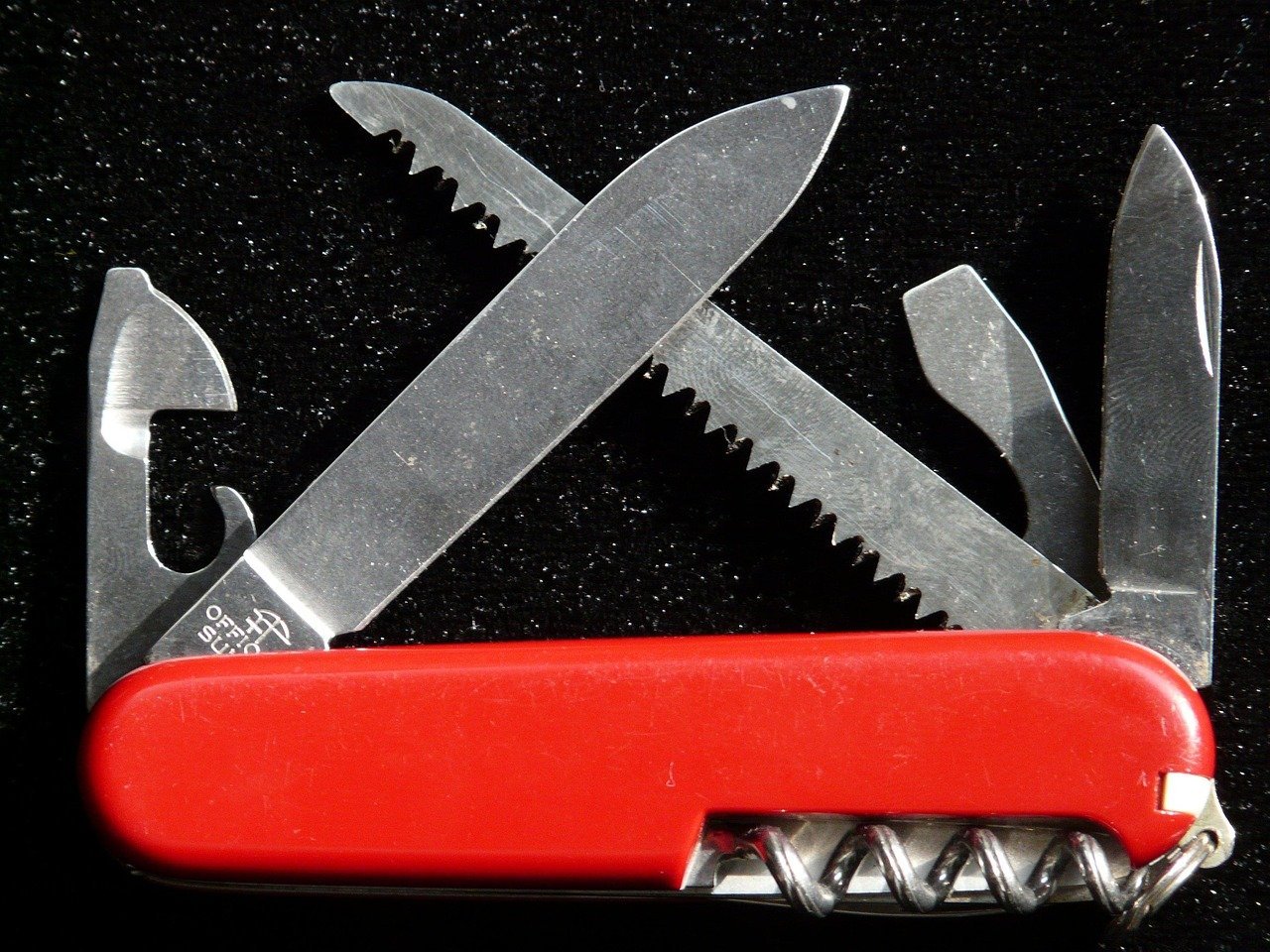
A Swiss Army Knife (SAK) is more than just a tool; it’s a versatile companion designed to be handy in a multitude of situations, from outdoor adventures to everyday tasks. To ensure optimal performance and longevity, regular care and maintenance are essential. Here, we’ll delve into effective techniques to maintain your multi-tool, guaranteeing its functionality remains unparalleled.
Regular Cleaning
1. Disassemble for Deep Cleaning
Before diving into a thorough cleaning, consider disassembling your Swiss Army Knife if model permits. This step ensures you reach every nook and cranny, especially in layers where dirt tends to collect. However, be cautious while handling small parts; losing a spring or tiny screw can render your knife unusable.
2. Use Warm Soapy Water
Fill a basin with warm water and add a few drops of mild dish soap. Submerge all non-electronic parts, allowing them to soak for about 10-15 minutes. For stubborn grime, use a soft brush (toothbrush) gently to scrub these areas. Rinse thoroughly with clean water to remove any soap residue.
Drying Techniques
3. Pat Dry with Soft Cloth
After cleaning, immediately pat your knife parts dry using a soft cloth. Avoid air drying, as this can lead to rust formation due to moisture being trapped in crevices.
4. Complete Drying with Compressed Air
For hard-to-reach areas, consider using compressed air. This method effectively eliminates moisture and dirt trapped inside the tool’s small openings, allowing for a thorough drying process.
Lubrication
5. Choosing the Right Lubricant
Proper lubrication is vital for ensuring smooth operation of the moving parts. Opt for high-quality oils such as mineral oil or a small amount of silicone grease. These options do not attract dirt and provide excellent protection against corrosion.
6. Apply Sparingly
Using a dropper or a cotton swab, apply the lubricant to the pivot points of the blades and tools. Avoid over-lubrication, as excess oil can collect dust, leading to a gunky buildup.
Sharpening Your Blades
7. Understanding the Angle
It’s crucial to maintain the right angle while sharpening your blades for optimal cutting efficiency. Most Swiss Army Knife blades feature a 30-40 degree edge. Use a diamond sharpening stone, whetstone, or a specialized SAK sharpener to ensure precision.
8. Consistent Light Sharpening
Instead of waiting for your blade to dull completely, practice regular light sharpening. This technique maintains the blade‘s edge without creating the need for heavy sharpening, which can remove more material than necessary.
Checking and Tightening Screws
9. Regular Inspection
Frequent use can lead to loosened screws. Regularly inspect your multi-tool’s screws with a suitable screwdriver. If you notice any that are loose, tighten them gently but avoid overtightening, which could strip threads or damage the material.
10. Replacement of Worn Parts
Over time, some parts may wear down and require replacement. Always have a few common replacement parts, such as springs, screws, and scales, on hand to restore your knife to its full potential quickly.
Preventing Rust and Corrosion
11. Understand Material Properties
Swiss Army Knives are commonly made from stainless steel, which is resistant to rust but not immune. Always ensure drying is thorough after cleaning, particularly if using in wet conditions.
12. Store Properly
Store your multi-tool in a moisture-free environment. If frequently exposed to humidity, consider placing a silica gel packet in the storage area or carrying pouch to absorb excess moisture.
Using and Storing Accessories
13. Caution with Add-Ons
Accessories, such as toothpicks and tweezers, add functionality but also require specific care due to their fragile nature. Regularly check for integrity and replace as required.
14. Organize Your Tool
If your Swiss Army Knife contains several tools, ensure you are familiar with them and how they open and close securely. Loose tools can lead to injury or damage during use.
Safe Usage Practices
15. Follow Safety Guidelines
Using your Swiss Army Knife safely enhances its life and your safety. Always cut away from yourself and ensure that the tool is locked in position during use. This prevents accidental closures that can lead to injuries.
16. Be Mindful of the Environment
If you plan to use your SAK in outdoor settings, be aware of potential hazards such as dirt, debris, and moisture. Cleaning natural residue from the knife after outdoor adventures keeps it functioning optimally.
Frequently Asked Questions (FAQs)
17. How Often Should I Clean My Swiss Army Knife?
The frequency depends on usage. For heavy-use situations, aim to clean and lubricate monthly. For light use, biannually should suffice.
18. Is it Necessary to Lubricate My Multi-Tool?
Yes, lubrication is essential for maintaining the function of pivot points and to prevent corrosion. Without lubrication, tools may become stiff or jam.
19. Can I Use My SAK in Water?
While many versions are designed to resist water, repeated exposure can lead to rust and internal issues. Always dry thoroughly if exposed to water.
20. What Should I Do If a Blade Breaks?
If a blade is chipped or broken, consider professional sharpening services or replacement. Attempting to fix it yourself could lead to further damage.
21. Do All Swiss Army Knives Come with a Warranty?
Most Swiss Army Knives come with a limited lifetime warranty, covering defects in materials and workmanship. Check your specific model’s warranty for full details.
Final Tips
22. Keep It Personal
Engraving your Swiss Army Knife not only personalizes it but can also deter theft if lost. It’s a unique way to maintain connection with your tool.
23. Embrace Usage Experience
The best way to maintain your Swiss Army Knife is by using it! Over time, you will understand its intricacies and notice when something feels off, guiding you to perform necessary maintenance.
24. Connect with the Community
Many enthusiasts share tips, experiences, and skills pertaining to Swiss Army Knives. Engaging in forums or community gatherings can provide invaluable insights about care and usage.
25. Document Maintenance Sessions
Keeping a log of maintenance activities—like cleaning dates and lubrication—can help you track when to perform each step next. Having a personal maintenance history also comes during potential repairs and servicing requests.
By following these detailed guidelines, you can ensure your Swiss Army Knife will remain a reliable companion through countless adventures and tasks, preserving its legacy of excellence.