


Understanding Knife Sharpening Essentials
1. Using the Wrong Sharpening Tool
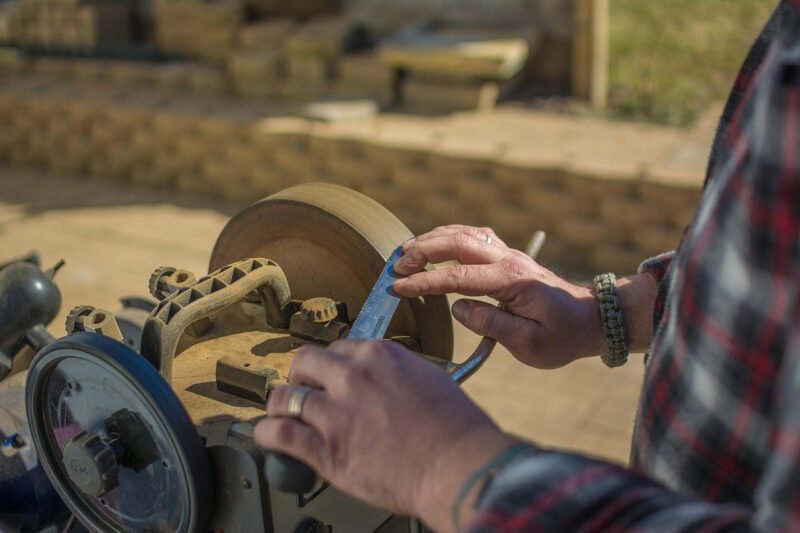
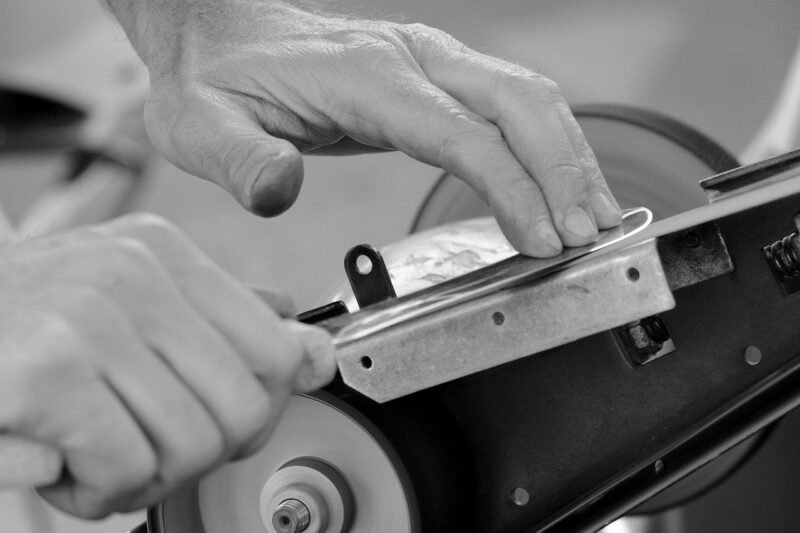
One of the most common mistakes in knife sharpening is using the wrong tool. Many enthusiasts opt for manual tools like whetstones, but the choice of the sharpening medium is crucial. Each knife type benefits from different sharpening tools, whether it’s a whetstone, honing rod, or electric sharpener. Ensure that the tool matches the specific type of blade.
2. Ignoring the Knife’s Edge Angle
Every knife has an ideal edge angle for optimal cutting performance. Common angles are typically between 15 to 20 degrees for Western knives and 10 to 15 degrees for Japanese knives. Sharpening at the wrong angle can damage the blade or cause it to become dull quickly. Familiarize yourself with the intended angle of your knives and always maintain that angle during sharpening.
The Importance of Consistency
3. Inconsistent Pressure and Angle
When sharpening, applying consistent pressure throughout the process is vital. Uneven pressure can produce an uneven edge. Be mindful of your technique; consistency guarantees that the blade receives an even finish across its length, promoting better performance and longevity.
4. Neglecting Regular Maintenance
Underestimating the need for regular maintenance can lead to neglect, which results in significantly dull blades. Make honing a regular task. This process realigns the edge between sharpenings and extends the period between when a knife needs to be sharpened. A quick touch-up with honing can preserve the knife’s sharpness.
Techniques and Their Pitfalls
5. Pushing the Knife Away Instead of Pulling It Towards You
New sharpeners often make the mistake of pushing the knife away from them on a hone or stone. This technique can lead to loss of control and an improper edge. Instead, pull the knife towards you while maintaining the correct angle. This technique provides greater control and helps you sharpen more effectively.
6. Over-Sharpening
Sharpening your knives too frequently or aggressively wears away the metal and can dramatically shorten knife life. With each sharpening session, you’re removing a layer of material. Be cautious to sharpen only when necessary and to refrain from overdoing it in one session to ensure your knives remain in top shape.
Understanding Surface Material
7. Choosing an Improper Grit Level
Using the wrong grit level can lead to disappointing results. Coarse grits (around 200-600) are designed for quickly reshaping the knife blade, while medium (1000-2000) and fine (3000-8000) grits are meant for polishing and honing. A common mistake is jumping directly to a fine grit without starting with a coarse one when dealing with a very dull knife. Understanding this progression helps develop a keen edge efficiently.
8. Failing to Soak Whetstones
Many amateur sharpeners overlook the importance of soaking whetstones before use. Dry whetstones can damage the blade edge and prevent effective sharpening. Soak your stone in water for at least 10-15 minutes prior to use for optimal results and to maintain the longevity of your sharpening tools.
Recognizing When to Stop
9. Sharpening Without Checking Blade Progress
It’s easy to get lost in the sharpening process, especially when you’re trying to achieve a razor-sharp edge. However, continuous sharpening without checking the blade’s progress can lead to an overly thin edge or an uneven grind. Periodically check the blade’s sharpness and inspect the edge visually to ensure an appropriate finish.
10. Not Washing and Drying the Knife After Sharpening
After sharpening, many ignore the need to clean the knife thoroughly. Metal shavings and debris can adhere to the blade, leading to rust or damage over time. Always wash the knife with warm, soapy water and dry it immediately after sharpening to maintain its finish and protect the edge.
Storage Mistakes to Avoid
11. Incorrect Knife Storage
Once sharpened, storing your knives improperly can undo all your hard work. Avoid crowding knives in a drawer, where they can knock against each other and dull the edges. Instead, consider magnetic strips, protective sheaths, or a block to minimize the risk of dulling their edges.
12. Not Using a Cutting Board
Another common mistake that affects the knife’s edge is using the knife on hard surfaces like glass or stone. These surfaces can quickly dull a finely sharpened edge. Always use a wooden or plastic cutting board to prolong the knife’s sharpness and protect the blade.
Final Techniques and Tips
13. Not Understanding Blade Types
Different knives are designed for specific tasks, and their sharpening requirements can vary. Misunderstanding these distinctions can lead to improper sharpening techniques. Familiarize yourself with the different types of kitchen knives, their materials, and their specific care instructions for sharpening.
14. Over-reliance on Electric Sharpeners
While electric sharpeners are user-friendly, they can be too aggressive, stripping away more material than necessary. Over time, this can degrade the blade considerably. Use these tools sparingly and as a supplement to hand sharpening techniques.
15. Rushing the Process
Many users want to complete the sharpening process quickly. Speed can lead to mistakes, including poor technique and improper angles. Take your time during the sharpening process to ensure that each step is followed correctly. The investment in time will yield a sharper, longer-lasting knife.
Conclusion on Knife Sharpening Techniques
Sharpening kitchen knives effectively involves understanding the right techniques and avoiding these common mistakes. Commit to learning the specifics of each knife, maintaining proper care, and dedicating time to achieve the best results. By avoiding these pitfalls, you can enhance your knife skills, ensuring efficient and safe meal preparation in your kitchen.