


Understanding the Chef’s Knife
The chef’s knife, often considered the workhorse of the kitchen, is indispensable for both novice and seasoned cooks. Typically measuring between 8 and 10 inches in length, its broad blade allows for a variety of cutting techniques. Understanding its anatomy—the blade, edge, spine, heel, and bolster—is crucial for mastering its use.
Choosing the Right Chef’s Knife
When selecting a chef’s knife, consider your hand size, cutting style, and the weight you prefer. A good knife should feel balanced and comfortable in your grip. Look for high-carbon stainless steel blades for durability and ease of maintenance. Brands like Wüsthof, Shun, and Victorinox are highly regarded for their quality. Always test the knife’s balance by holding it at the bolster; it should feel centered.
Knife Safety and Handling
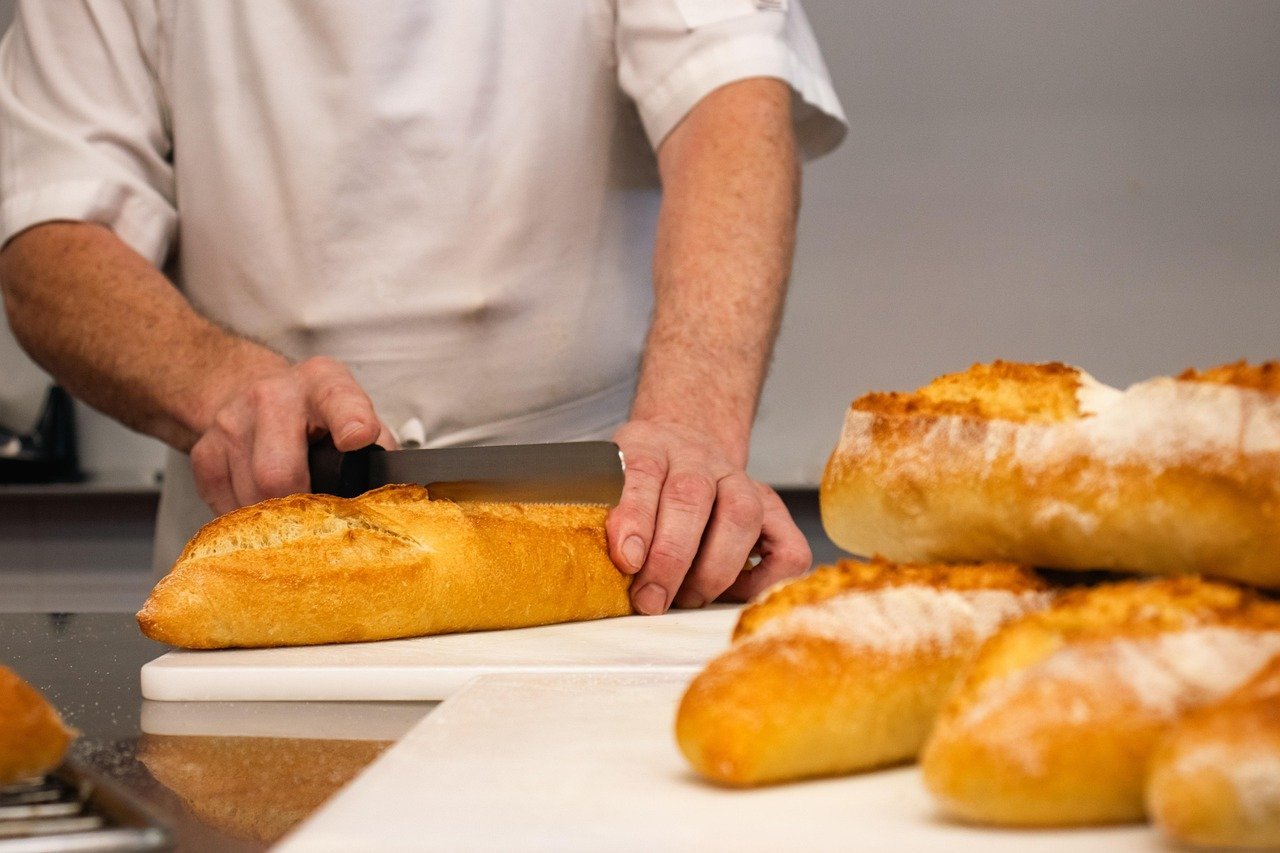
Safety in the kitchen is paramount. Always use a cutting board to protect your countertops and the knife’s edge. Keep your knife sharp; a dull knife is more dangerous as it requires more force to cut through food. When handling the knife, tuck your fingers under the hand that holds the food, creating a claw grip to keep your fingertips safe. Use a slicing motion rather than pressing down heavily, maintaining control.
Basic Cutting Techniques
1. The Claw Grip
Hold the food you’re cutting with your fingertips curled under, using your knuckles as a guide for the blade. This grip enhances control and minimizes the risk of cutting yourself.
2. The Rocking Motion
For slicing and chopping, use a rocking motion. Begin by placing the knife’s tip on the cutting board and lift the handle up and down while moving the blade forward and backward.
3. Chopping
Position your chef’s knife at a 45-degree angle and use the heel of the blade for chopping vegetables. Start with firm vegetables like carrots and work your way through to softer items like herbs, ensuring even cuts.
4. Slicing and Dicing
To slice, draw the knife directly through the food in a smooth motion. For dicing, first slice the food into planks, then into strips, and finally cut the strips crosswise into cubes.
5. Chiffonade
This technique is used for leafy greens and herbs. Stack the leaves, roll them tightly, and slice thinly crosswise. This method delivers beautiful, delicate cuts ideal for garnishing.
Maintaining Your Chef’s Knife
Sharpening
Regular sharpening is essential to ensure your chef’s knife performs optimally. Use a whetstone, honing steel, or a knife sharpener. For a whetstone, soak it in water for about 10 minutes before use. Hold the knife at a 20-degree angle against the stone, gently sliding the blade from heel to tip. Repeat this process on both sides to maintain an even edge.
Cleaning and Storage
Hand wash your knife with mild soap and warm water, avoiding the dishwasher, which can damage the blade and handle. Dry the knife immediately to prevent rust. Store it in a knife block, on a magnetic strip, or in a protective sheath to keep the edge sharp and avoid accidents.
Advanced Techniques You Can Learn
Once you’ve mastered the basics, you can delve into advanced techniques.
1. Boning
This method is useful for removing bones from meat. Use the knife’s flexibility to glide along the bone; a lighter touch is advantageous.
2. Filleting
For fish, ensure the knife is extremely sharp. Starting at the head, gently cut along the spine, following its natural curve to achieve clean fillets.
3. Julienne
Cut vegetables into thin matchstick shapes. Start by slicing the vegetable lengthwise, then stack the slices and cut them into thin strips.
Understanding Knife Angles
Different cutting tasks require unique angles. The general rule is:
- 20 Degrees: Ideal for most chef knives, offering a balance between sharpness and durability.
- 15 Degrees: Common in Japanese knives, providing a razor-sharp edge suited for delicate tasks.
- 25 Degrees: Suitable for heavy-duty tasks, less common and typically found in Western knives.
Experimenting with angles allows for tailored cuts, perfect for varying kitchen tasks.
Culinary Applications
A chef’s knife is versatile. Use it for:
- Vegetables: Perfect for chopping onions, mincing garlic, or slicing tomatoes.
- Meat: Ideal for slicing chicken breasts, trimming fat, or cubing pork.
- Herbs: Excellent for finely chopping basil, parsley, or cilantro.
Common Mistakes to Avoid
- Using the tip for heavy cuts: Instead, leverage the blade’s heel for tougher ingredients.
- Gripping too tightly: A relaxed grip gives you better control and prevents fatigue.
- Chopping on hard surfaces: Always use a cutting board, as hard surfaces can dull your knife prematurely and may damage the blade.
Recognizing Quality
When assessing quality, check the blade’s construction. Forged knives (made from a single piece of metal) typically hold an edge longer than stamped knives (cut from a steel sheet).
Additionally, examine the handle; it should be comfortable and provide a good grip without slipping. Materials like POM (polyoxymethylene) or wood are common choices.
Practicing Knife Skills
To enhance your proficiency, regularly practice cutting techniques. Set aside time to chop vegetables, slice fruits, or even practice your chiffonade. Keep a specific focus on control and precision, which will pay dividends in your cooking confidence.
Understanding the Care Cycle
- Sharpening: Once a month at minimum, depending on usage.
- Cleaning: After every use, maintain hygiene and prevent cross-contamination.
- Storage: Invest in quality storage solutions to keep your knife in peak condition.
Through consistent practice and the proper care of your chef’s knife, you will enhance your culinary skills significantly. As you become more proficient, consider exploring different styles of cutting, which can elevate your cooking presentations and overall efficiency. The chef’s knife will not only serve as a vital tool but as a means of expressing your culinary creativity.