


Understanding the Different Types of Japanese Kitchen Knives
1. The Purpose of Japanese Knives
Japanese kitchen knives, known as “wa-bōchō,” are renowned for their craftsmanship, precision, and aesthetic appeal. Each type is designed for specific tasks, making them invaluable for both professional chefs and home cooks. Knowing the different types of Japanese kitchen knives can enhance your culinary skills and elevate your cooking experience.
2. Santoku Knife
The Santoku knife, which translates to “three virtues,” is a versatile tool designed for slicing, dicing, and mincing. Typically 5 to 7 inches long, its wide blade allows for a comfortable grip while providing ample surface area for various tasks. The Santoku features a Granton edge—dimples that prevent food from sticking to the blade—making it ideal for cutting sticky ingredients like potatoes or cheese. This knife is suitable for everyday tasks, representing an excellent option for those who want a single, all-purpose knife.
3. Gyuto Knife
The Gyuto, or Japanese chef’s knife, is the counterpart to the Western chef’s knife. Ranging from 7 to 10 inches, it is ideal for slicing meat, fish, and vegetables. The Gyuto’s blade is generally thinner than its Western equivalent, which allows for more delicate cuts. The knife’s convex belly enables a smoother rocking motion for mincing herbs or vegetables. For chefs who require precision and versatility, the Gyuto is an indispensable tool that excels in various culinary techniques.
4. Nakiri Knife
The Nakiri knife is a traditional Japanese vegetable knife designed specifically for slicing and chopping vegetables. It features a straight edge and a rectangular blade that allows for a full vertical cut. Typically around 6 to 7 inches long, the Nakiri provides excellent control and precision, making it a go-to choice for vegetable preparation. The blade’s flat profile allows for efficient cutting through various types of produce, ensuring that you can achieve thin, even slices.
5. Usuba Knife
Similar to the Nakiri, the Usuba knife is another vegetable knife utilized primarily in Japan for precise cuts. However, the Usuba features a single bevel, making it ideal for advanced techniques like intricate vegetable cuts used in sushi presentation. Its thin blade allows for extremely fine slices and is excellent for delicate tasks. Traditionally crafted from high-carbon steel, the Usuba requires regular maintenance and proper handling but offers unmatched performance for those skilled in its use.
6. Petty Knife
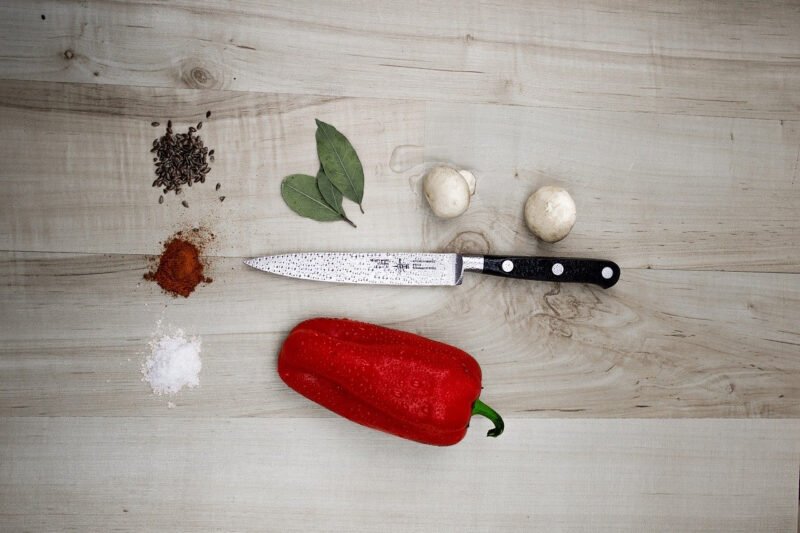
The Petty knife is essentially a paring knife with a Japanese twist. Typically ranging from 3 to 6 inches, it is designed for detailed, intricate work like peeling, trimming, and other precision tasks. The small size allows for great control, making it perfect for detailed work on fruits, vegetables, and garnishing. The Petty knife is particularly popular among those who need a reliable tool for smaller cutting tasks that require precision.
7. Sujihiki Knife
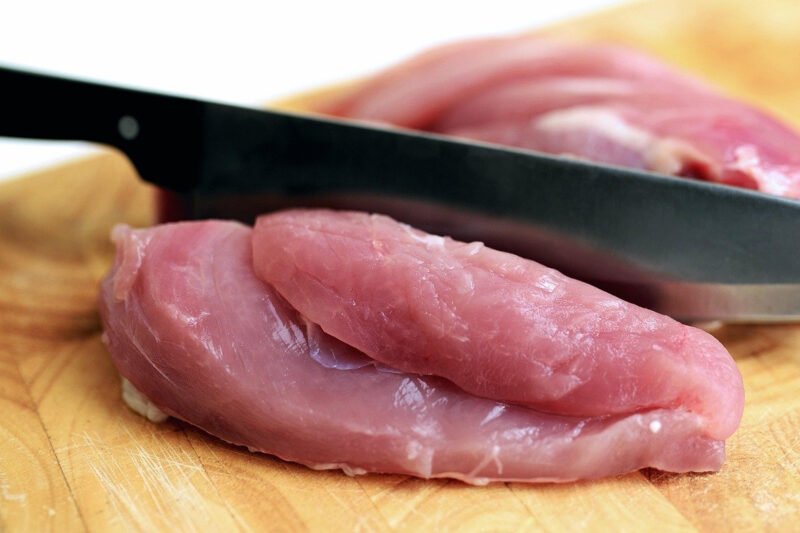
The Sujihiki knife is the Japanese equivalent of a carving knife. Often associated with slicing cooked meats or fish, its long and flat blade (usually around 9 to 12 inches) allows for effortless and thin slicing. The design is meant to reduce drag, ensuring clean cuts that maintain the integrity of the food. The Sujihiki is popular for preparing dishes like sashimi or roast beef, demonstrating its versatility in both traditional and modern cooking.
8. Kiridashi Knife
A Kiridashi is a small utility knife that is simplistic yet highly versatile. Traditionally used by craftsmen and artisans, it can also be a handy tool in the kitchen. This knife often has a single beveled edge and a straight blade, making it effective for a variety of tasks, from slicing and dicing to even scoring tougher foods. The unique design also makes it popular for food art and intricate garnishing.
9. Honesuki Knife
The Honesuki knife is specifically designed for breaking down poultry. Its pointed tip and rigid structure allow for intricate cuts, making it easier to navigate through joints and bones. Typically around 6 to 7 inches, this knife often has a triangular blade shape, which provides excellent maneuverability for cutting tasks like deboning chicken or preparing game birds. While not as versatile as other knives, the Honesuki is essential for cooks who handle poultry frequently.
10. Takobiki Knife
The Takobiki is a specialized sashimi knife designed for slicing fish. Featuring a long, thin blade, it allows chefs to achieve paper-thin slices of sashimi with ease. The Takobiki is typically around 10 to 12 inches long, offering a broader surface for slicing delicate fish without tearing. This knife showcases the precision and artistry of Japanese knife-making and is a crucial tool for sushi chefs.
11. Yanagiba Knife
Similar to the Takobiki, the Yanagiba knife is another essential tool for sushi chefs, primarily used for slicing raw fish. The blade’s length—often exceeding 10 inches—provides a smooth, uninterrupted stroke that is essential for sashimi preparation. The Yanagiba’s tapering profile enables precise cuts and is specifically crafted for expert-level slicing, making it a favorite among those specializing in Japanese cuisine.
12. Komon Knife
The Komon knife is a traditional Japanese knife used for various cutting tasks. With a blade that typically measures around 6 to 9 inches, it features a straight edge and a sturdy design. Its versatility makes it ideal for both professional and home cooks, allowing for easy manipulation for different types of ingredients. The Komon’s design often reflects regional styles and can vary in blade thickness and edge angle.
13. Maintenance and Care
Maintaining Japanese kitchen knives is vital for ensuring their longevity and performance. Regular sharpening is necessary, especially for high-carbon steel blades, which can dull faster. Using a whetstone is the preferred method, as it allows for precise sharpening at various angles. Additionally, it’s crucial to hand wash and dry these knives immediately after use to prevent corrosion. Proper storage—ideally in a wooden block or magnetic strip—can also protect the blade’s edge from damage.
14. Choosing the Right Knife
Selecting the right Japanese kitchen knife depends on your culinary needs and preferences. Consider the type of cooking you often engage in—vegetable preparation, meat slicing, or sushi making—as different knives excel in different tasks. Additionally, grip and balance are essential. Trying out the knife in hand will provide insights into comfort and usability. Investing in a high-quality Japanese knife can profoundly impact your cooking experience and offer you an enduring culinary companion.
15. Conclusion
The beauty of Japanese kitchen knives lies not just in their design but also in their functionality. Each type of knife serves a specific purpose, enabling precision and efficiency in various cooking tasks. By understanding the different types of Japanese kitchen knives available, you can make informed decisions that enhance your culinary skills and appreciation for Japanese cuisine.