


Knife Sharpening Techniques: From Beginner to Pro
Understanding Knife Anatomy
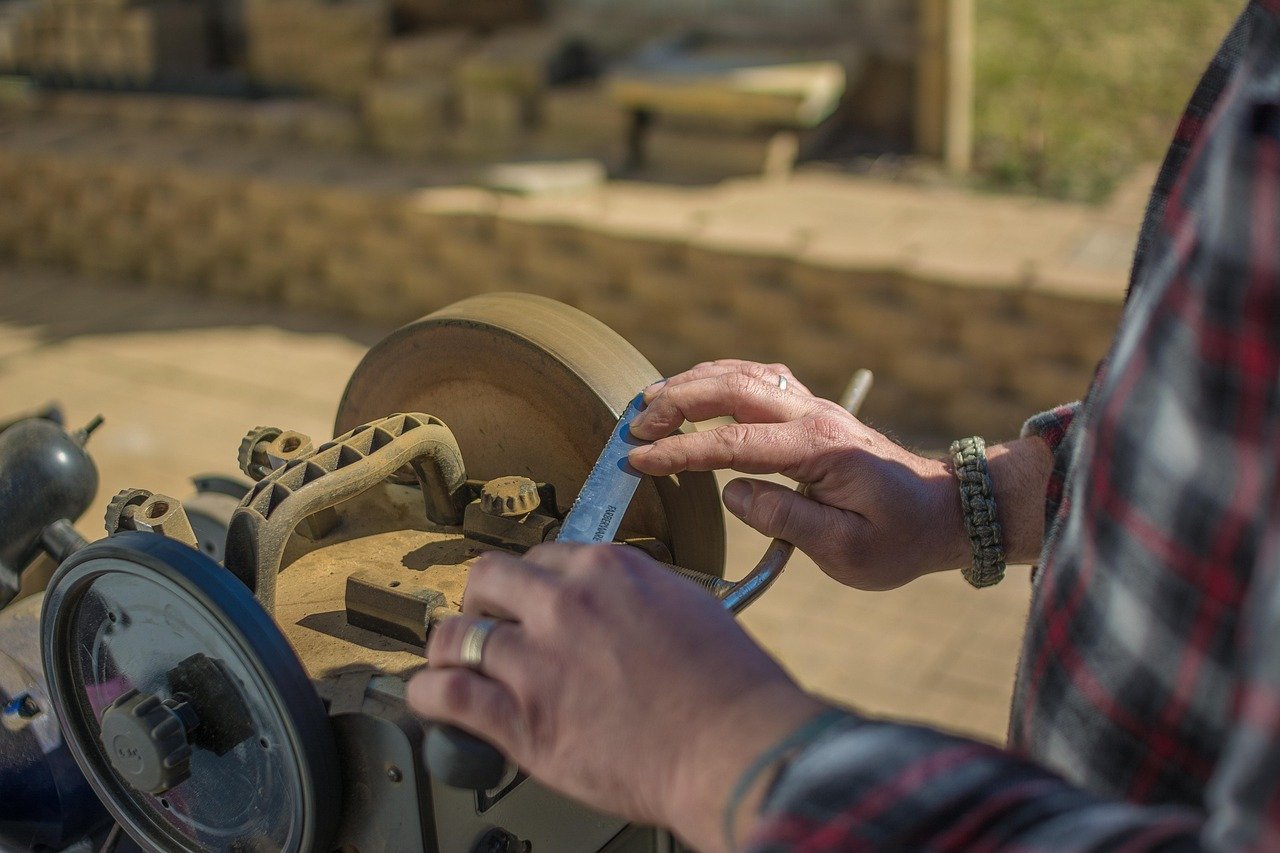
Before diving into sharpening techniques, it’s beneficial to understand the components of a knife. The blade is the most important aspect, made up of the tip, edge, spine, heel, and choil. The edge is what you sharpen, but knowing how to maintain the entire blade will prolong its life.
Why Sharpening Matters
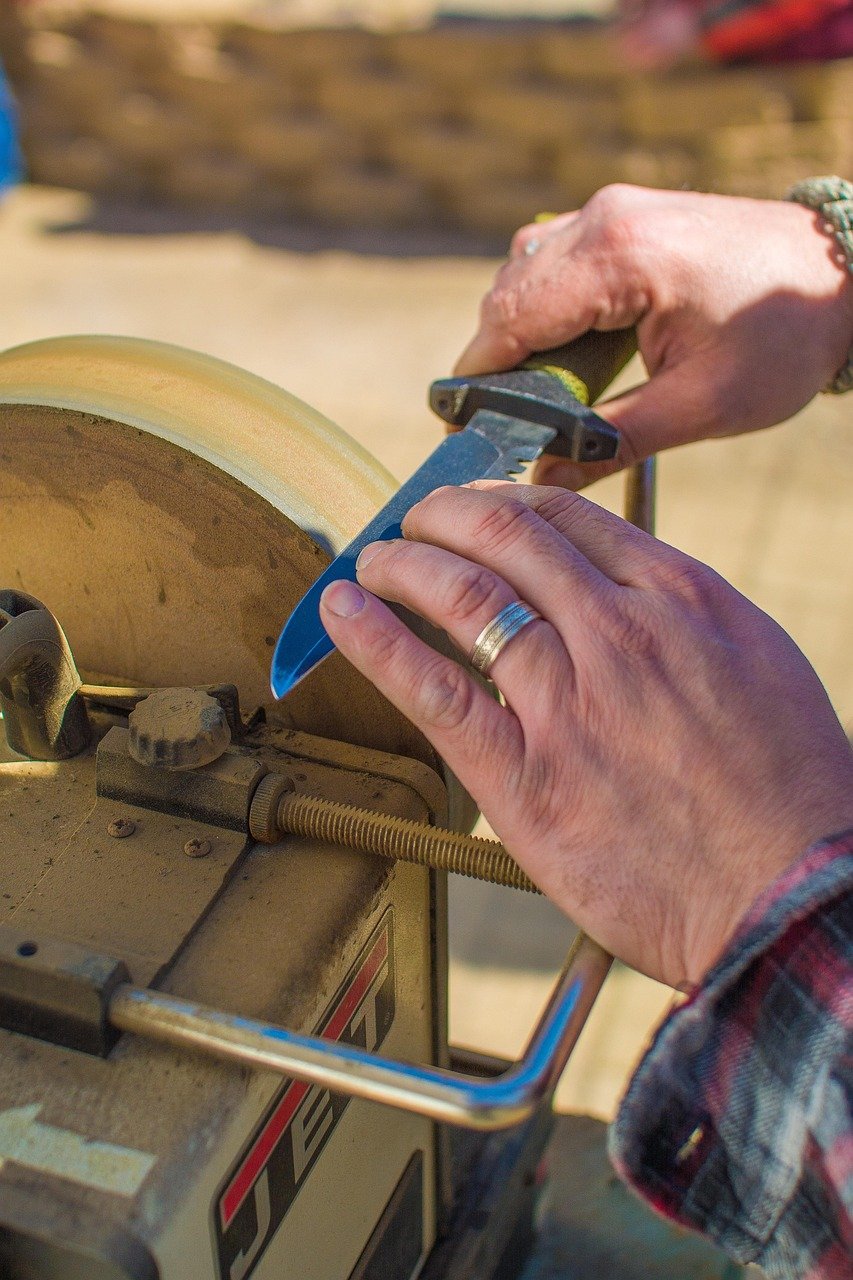
A dull knife can be more dangerous than a sharp one, as it requires more force to cut, increasing the risk of slippage. Sharp knives also enhance the quality of your cuts, improving presentation and texture in cooking.
Knife Sharpness Indicators
- Dull: Visible nicks or a straight edge that doesn’t slice through paper.
- Sharp: Cleanly slices through paper, with a smooth glide.
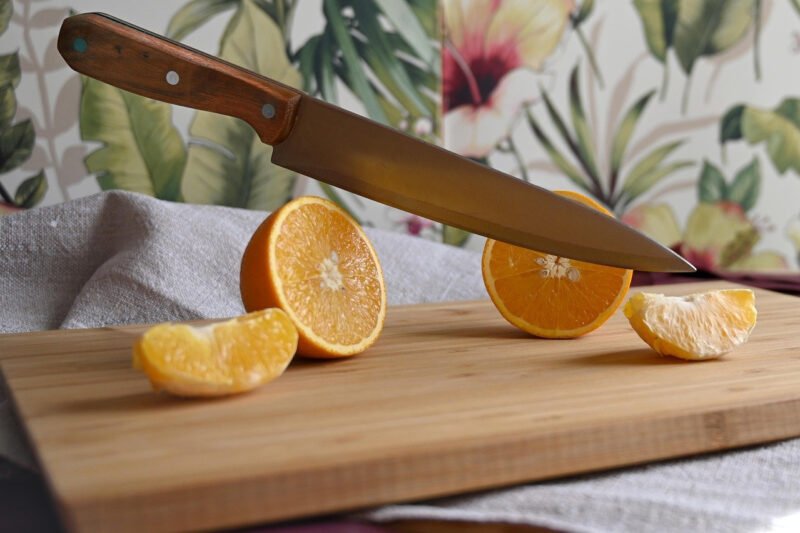
- Very Sharp: Cuts through food with minimal pressure, leaving a clean cut.
Understanding these indicators will help you assess when your knife requires sharpening.
Beginner Techniques
1. Using a Whetstone
Materials Needed: Water or oil (depending on the whetstone), a stable surface.
- Preparation: Soak the whetstone in water for about 10–15 minutes. If using an oil stone, apply a thin layer of oil.
- Angle: Hold the knife at a 15-20 degree angle to the stone.
- Method: Starting at the heel, push the blade across the stone towards the tip. Maintain consistent pressure and angle as you slide the blade off the edge. Alternate sides until the blade achieves your desired sharpness.
2. Steel Rod (Honing Steel)
Materials Needed: Honing steel.
- Technique: Hold the honing steel vertically. Place the knife’s blade against it at a 15-20 degree angle. Sweep the blade down along the steel, moving from heel to tip, alternating sides after every few strokes. This technique helps realign the blade, maintaining sharpness.
3. Manual Pull-Through Sharpeners
Materials Needed: Manual pull-through sharpener.
- Steps: Place the sharpener on a stable surface. Insert the knife into the designated slot and pull through the sharpener following the manufacturer’s instructions, usually a few times per side. This technique is user-friendly for beginners.
Intermediate Techniques
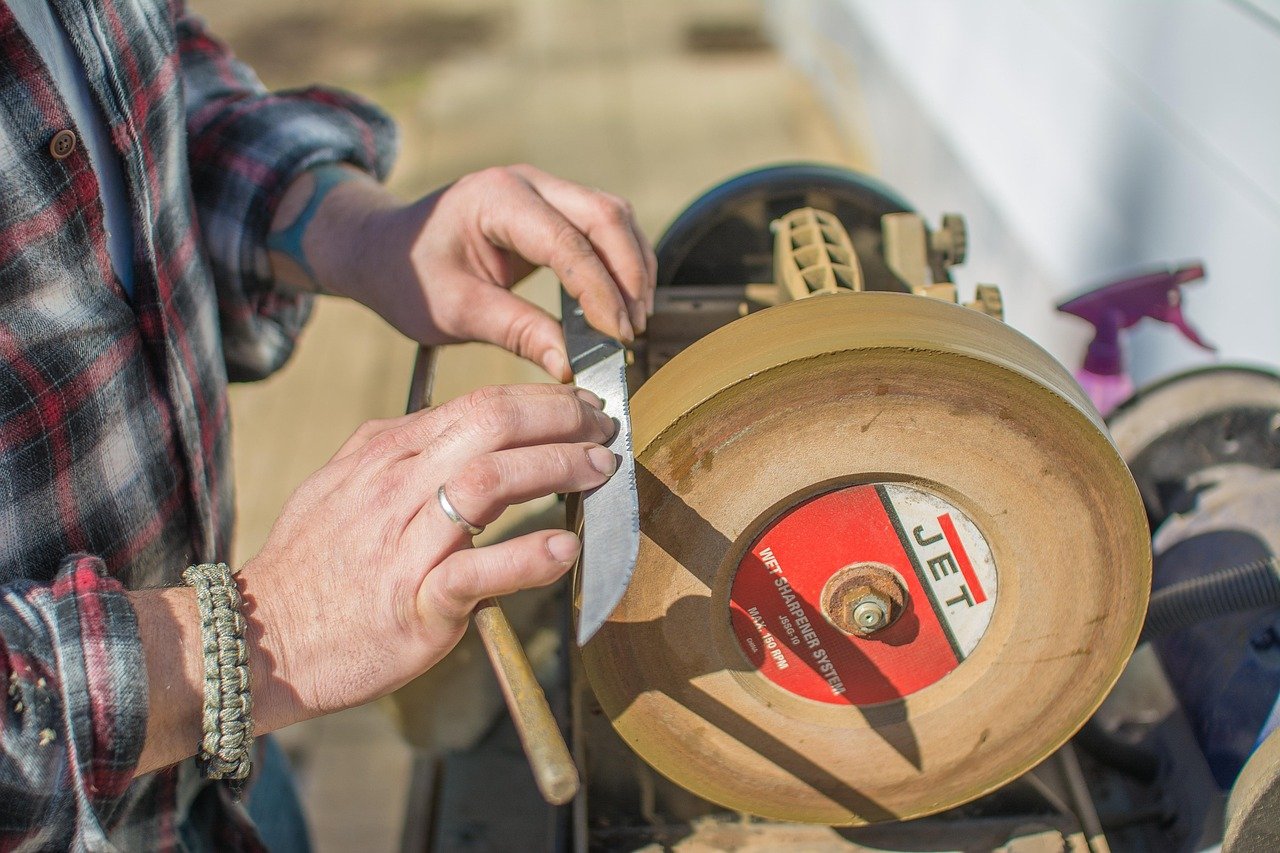
4. Electric Knife Sharpeners
Advantages: Quick and effective for sharpening multiple knives.
- Usage: Follow the manufacturer’s instructions. Insert the knife in the designated slot, apply slight pressure, and let the machine do the work. This is perfect for home chefs looking for convenience.
5. Professional Sharpening Services
If unsure about your sharpening skills, consider sending your knives to a professional. They use various methods, including specialized machines that provide precision sharpening without damaging the blade.
6. Understanding Grit
- Coarse Grit (140-400): For repairing chips or reshaping the blade.
- Medium Grit (600-1000): For general sharpening needs.
- Fine Grit (1000 and above): For polishing the edge and honing sharpness.
Knowing the right grit for your task enhances your sharpening skills significantly.
Advanced Techniques
7. Freehand Sharpening
Materials Needed: Whetstone.
- Practice: Achieving freehand sharpening requires practice. Maintain a consistent angle, and use short strokes on one side, then switch to the other side. It’s essential to become comfortable with the movement and angle to achieve a sharp edge.
8. Japanese Water Stones
Advanced: This traditional method provides precision and is favored by many professional chefs.
- Technique: Use multiple stones—coarse, medium, and fine. After soaking, start with the coarse stone to remove material and reshape the blade, then refine with medium and finally use fine grit for polishing. This process creates a razor-sharp edge.
Safety Tips
- Always keep your fingers away from the blade during sharpening.
- Use a stable surface to avoid slips.
- Keep your eyes on the blade when sharpening to maintain control.
Maintenance
Regular maintenance prolongs the life of your knives.
- Cleanliness: Always clean your knives after use and avoid dishwashing.
- Storage: Use a knife block, magnetic strip, or blade guards to store and protect the edges.
- Honing: Regular honing can reduce the need for full sharpening, maintaining blades between uses.
Choosing the Right Tools
- Whetstones: Opt for a dual-sided stone for versatility.
- Honing Steel: Choose one with a comfortable grip and sufficient length for household knives.
- Sharpening System: For those seeking precision, consider a guided sharpening system for consistency in angles and results.
Conclusion
Mastering knife sharpening is an invaluable skill that requires practice and patience, but it profoundly affects your cooking experience and safety in the kitchen. From using basic tools like whetstones and honing rods to advancing toward freehand techniques and professional services, each method has unique benefits suited to different skill levels. With consistent practice and attention to maintenance, you can transition from a beginner to a pro in knife sharpening.