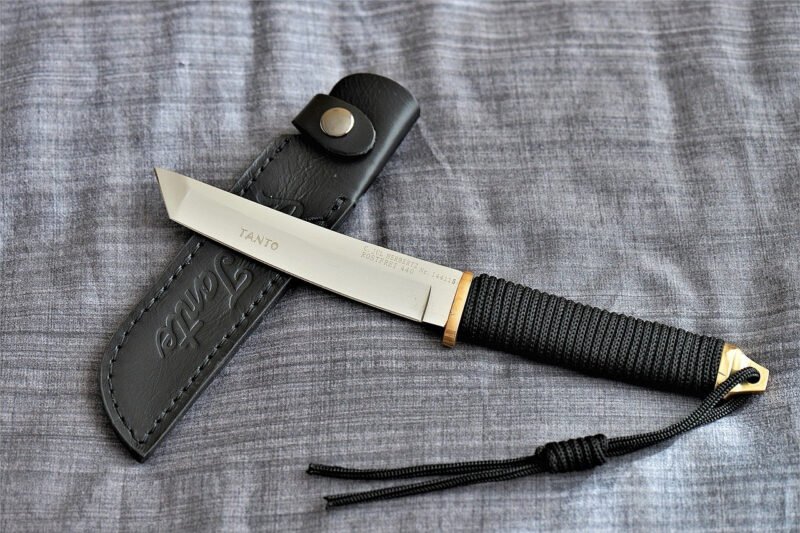



Understanding Santoku Knives
Santoku knives are multi-functional kitchen tools that originated in Japan. The name “Santoku” translates to “three virtues,” a reference to the knife’s ability to excel in three primary tasks: slicing, dicing, and mincing. With their distinct features and versatility, Santoku knives have become a favorite among both professional chefs and home cooks alike. This ultimate guide will cover everything from the history of Santoku knives to how to select the right one for your kitchen.
History of Santoku Knives
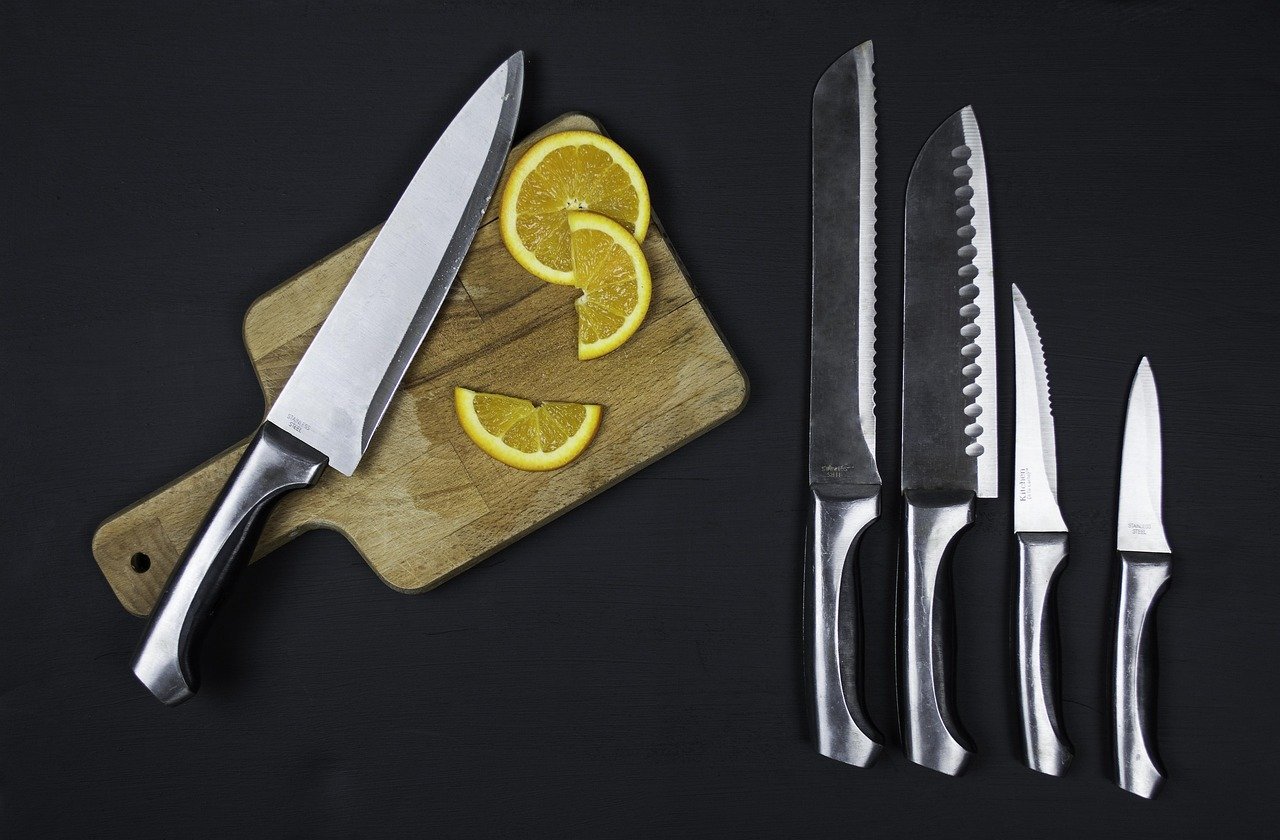
The Santoku knife dates back to the 1940s in Japan, emerging as a response to the need for a versatile kitchen tool that could handle a variety of cooking tasks. Unlike traditional Western chef’s knives, which typically have a curved blade for rocking cuts, the Santoku features a flat cutting edge, allowing for more precise slicing and chopping. As globalization increased, these knives began to gain popularity outside Japan, particularly in Europe and the Americas, due to their practicality and unique design.
Features of Santoku Knives
Blade Design
The blade of a Santoku knife is generally shorter than that of a Western chef’s knife, typically measuring between 5 to 8 inches. This compact form factor makes it easier to maneuver, especially in cramped kitchen spaces. The blade is usually made from high-quality stainless steel or high-carbon steel, which provides excellent edge retention and sharpness.
Granton Edge
Many Santoku knives feature a Granton edge, which consists of small dimples or hollows along the blade’s sides. This design minimizes friction and prevents food from sticking, allowing for cleaner and more efficient cuts. The Granton edge is particularly useful when working with starchy vegetables like potatoes or sticky foods like cheeses.
Handle Design
The handle of a Santoku knife can vary significantly in shape and material. Traditional knives often feature wooden handles for an authentic feel, while modern variants may use composite or polymer materials for improved grip and durability. An ergonomic design is crucial for comfort, especially during long cooking sessions.
Weight and Balance
Most Santoku knives are lightweight, which allows for agility when cutting. A well-balanced knife is essential for control and precision during food preparation. It’s important to find a knife that feels comfortable and well-balanced in your hand.
Selecting Your Santoku Knife
Material
The material of the blade significantly affects performance, durability, and maintenance.
- Stainless Steel: Resistant to rust and staining, stainless steel offers convenience but may not hold an edge as long as high-carbon steel.
- High-Carbon Steel: Known for superior sharpness and edge retention, high-carbon steel can rust if not maintained properly but provides exceptional cutting performance.
- Composite Materials: Some knives use unique blends of steel and other materials to provide a balance of sharpness and durability.
Blade Thickness
Thicker blades are typically more durable and better for chopping through dense ingredients, while thinner blades are ideal for precise slicing and delicate tasks. Choose based on your primary cooking style.
Handle Comfort
Personal preference plays a significant role in selecting the handle of your Santoku knife. Test various styles: Western handles are generally more robust, while Japanese-style handles may be lighter and slimmer. Pay attention to how the handle fits in your palm and how it feels when you slice and chop.
Brand Reputation
Renowned brands like Wüsthof, Shun, and Global are known for producing high-quality Santoku knives. Investing in a recognized brand can often lead to better materials and craftsmanship. Research customer reviews and expert opinions to make an informed choice.
Maintenance Tips for Santoku Knives
Regular Honing
To maintain the sharpness of your Santoku knife, regularly hone it with a honing steel. This process realigns the edge of the blade, making it sharper and more effective.
Proper Washing
Always hand wash your Santoku knife with warm soapy water and dry it immediately using a soft cloth. Avoid putting it in the dishwasher, as this can lead to nicks and damage over time.
Sharpening
Periodically sharpen your knife using a whetstone, honing rod, or a professional sharpening service. A sharp blade is safer and more efficient, making it easier to prepare meals.
Storage
Store your Santoku knife in a knife block, magnetic strip, or sheaf to protect the blade from damage. Avoid loose storage in a drawer, as this can nick the edge and cause it to dull.
Utilizing Your Santoku Knife
Chopping
Use the Santoku knife’s flat edge for chopping vegetables, fruits, and herbs. The straight edge allows for precise cuts, while the pointed tip is great for detailed work like mincing garlic.
Slicing
Whether you’re slicing meat, fish, or bread, the sharp edge of a Santoku knife will give you clean, even cuts.
Dicing
The versatility of the Santoku knife makes it ideal for dicing. The flat cutting edge means you can use a simple up-and-down motion to create uniform pieces.
Mincing
To mince herbs or garlic, use a rocking motion, leveraging the knife’s tip for stability while the blade moves through the food.
Santoku Knife vs. Chef’s Knife
Shape and Design
While both knives serve similar purposes, the Santoku features a flatter blade and is often lighter. The chef’s knife has a curved blade, which is more suited for rocking cuts.
Functionality
While Santoku knives excel in precision tasks, chef’s knives might be better for larger cuts or heavy-duty tasks, such as breaking down poultry.
Versatility
Both knives have their strengths, but the Santoku’s unique edge design makes it exceptionally versatile for various culinary tasks.
Popular Santoku Knife Brands
Shun
Shun is known for its craftsmanship and exquisite design. Their knives often feature Damascus steel blades and beautiful pakkawood handles.
Wüsthof
Based in Germany, Wüsthof combines traditional methods with modern technology, offering high-quality culinary tools designed for professional chefs and home cooks alike.
Global
Famous for their sleek, stainless steel design, Global knives feature a one-piece construction that is both lightweight and durable, perfect for those who prefer a minimalistic aesthetic.
Mac Knife
Mac is another respected Japanese brand that offers outstanding edge retention and sharpness. Known for their thin blades and ergonomic handles, Mac Santoku knives are a favorite among many chefs.
Conclusion
When it comes to selecting a Santoku knife, consider your cooking style, preferences, and budget. With the right choice, you’ll find this remarkable kitchen tool will enhance your cooking experience, enabling you to execute a range of culinary techniques with ease and precision. Take your time in choosing, and soon enough, your Santoku knife will become an indispensable part of your culinary toolkit, elevating your cooking game to new heights.