


Understanding Grit Levels
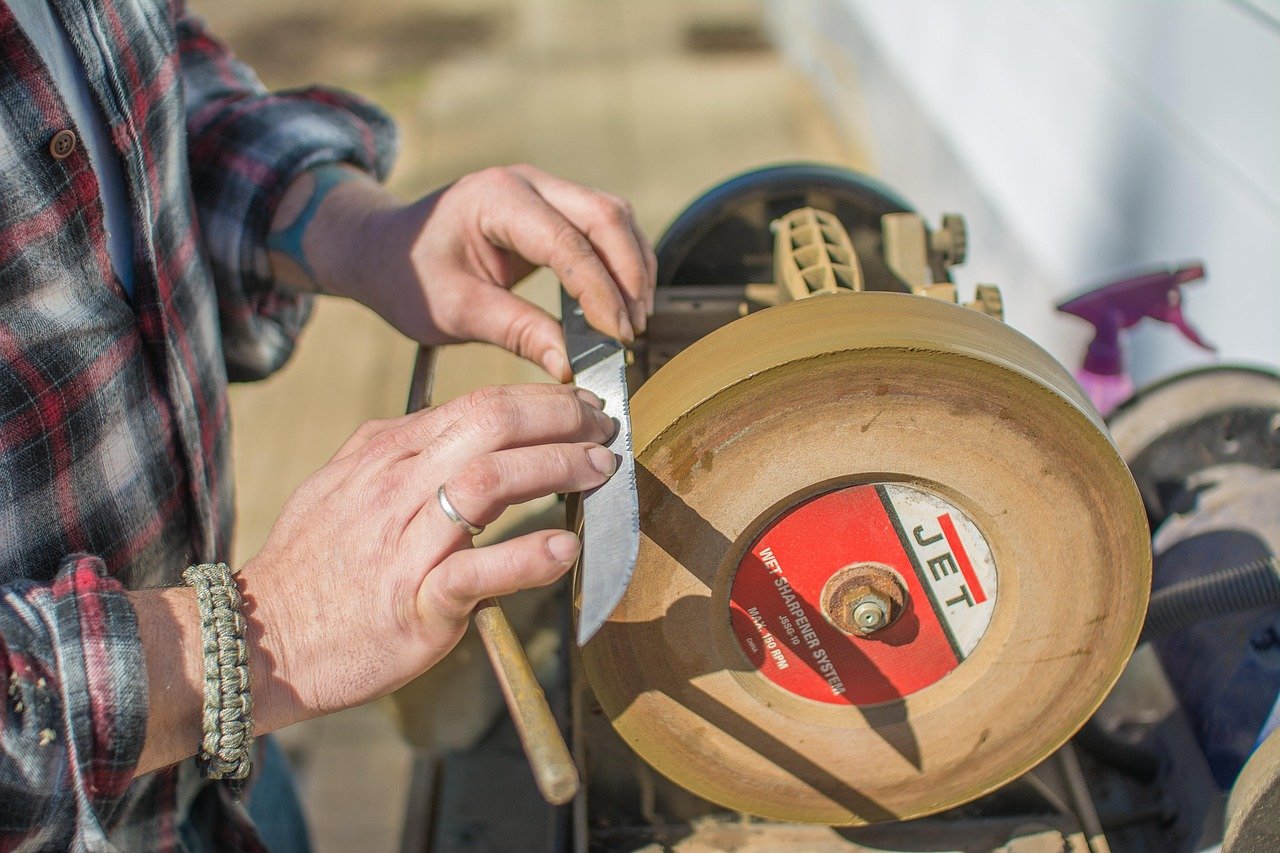
When sharpening a knife, grit refers to the size of the abrasive particles on the sharpening stone, honing rod, or diamond plate. The grit number indicates the coarseness: lower numbers signify coarser grit, while higher numbers signify finer grit. Choosing the right grit is essential for effective sharpening and maintenance of your knives.

Coarse Grit (Below 400)
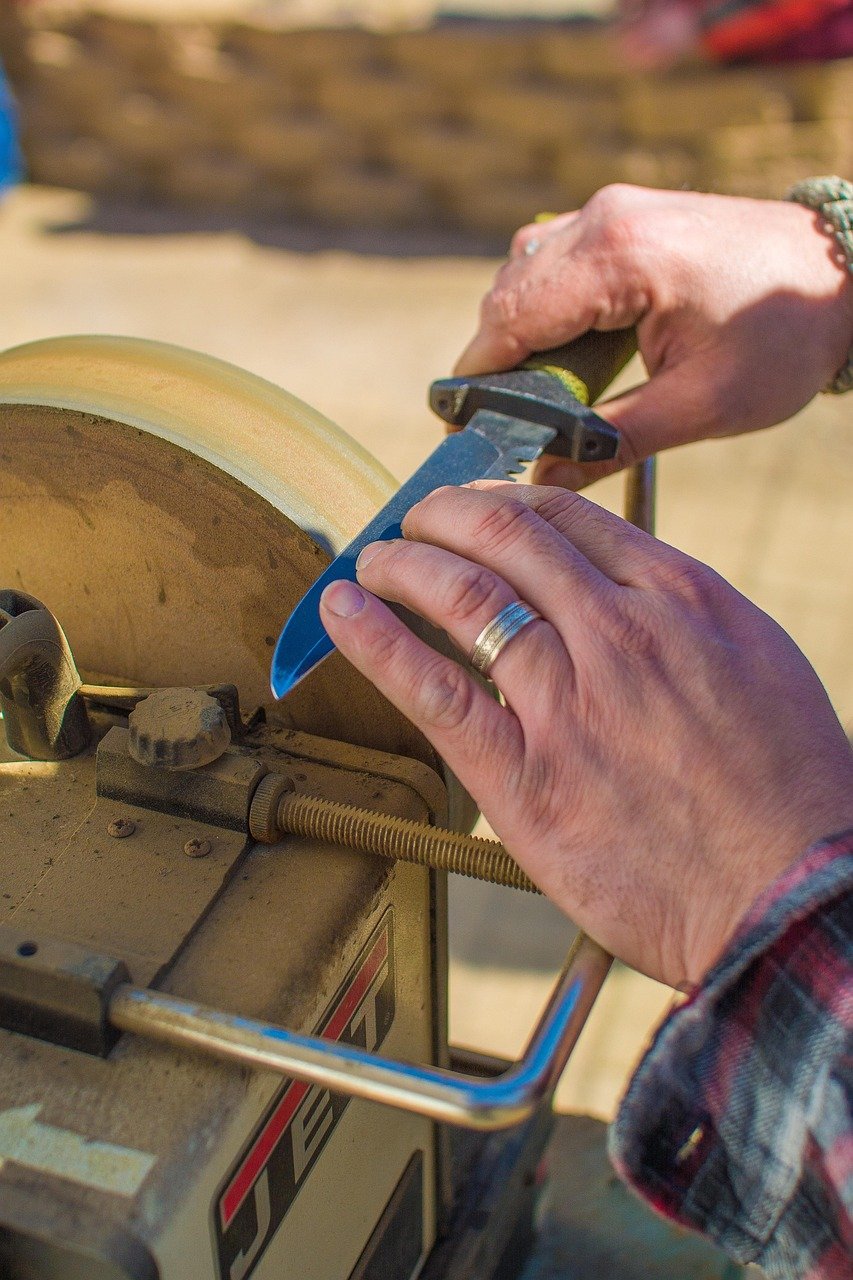
- Grit Range: 100-400
- Usage: Ideal for repairing damaged blades, removing nicks, or reshaping a knife’s edge.
- Advantages: Quick material removal; effective for heavily dulled or abused knives.
- Considerations: Overuse can lead to uneven edges or excessive removal of material, which may shorten the knife’s lifespan.
Medium Grit (400-1000)
- Grit Range: 400-1000
- Usage: This is the go-to range for regular maintenance and touch-ups on kitchen knives. Medium grit can restore the edge without dramatically affecting the blade’s original geometry.
- Advantages: Provides a good balance between edge refinement and material removal; suitable for general-purpose sharpening.
- Considerations: It may not suffice for substantially damaged blades, making it less ideal for extensive repairs.
Fine Grit (1000-3000)
- Grit Range: 1000-3000
- Usage: Excellent for honing and refining an already sharp edge. This grit smooths out the burr created during sharpening.
- Advantages: Produces a sharper edge that is better suited for precision cutting tasks.
- Considerations: Not effective on very dull or damaged knives. It is more suited for routine maintenance.
Extra Fine Grit (3000-8000)
- Grit Range: 3000-8000
- Usage: Primarily for achieving a polished edge on high-end or specialty knives. This range is ideal for finishing tasks in culinary settings.
- Advantages: Produces a mirror-like finish, increasing a knife’s cutting efficiency and aesthetics.
- Considerations: This grit is unnecessary for routine sharpening of working knives and can be time-consuming.
Assessing Your Knife Type
Different types of knives require varying grit levels for optimal sharpening:
Kitchen Knives
- Recommended Grit: 400-1000 for routine maintenance; 1000-3000 for honing.
- Reason: Kitchen knives often need regular touch-ups due to frequent use; they need to be sharp yet maintain the blade’s integrity.
Pocket and Folding Knives
- Recommended Grit: 600-1000 for regular maintenance.
- Reason: These knives are used for various tasks from cutting to whittling; they require a fine edge for versatility.
Chisels and Specialty Blades
- Recommended Grit: 100-3000, depending on use.
- Reason: Chisels require a sharp edge for fine woodworking, while specialty blades are maintained based on usage frequency.
Personal Preference and Use Case
Your sharpening grit choice may also depend on personal preferences and how you use your knives.
Frequency of Use
- Frequent Use: If you use the knife daily, a medium grit (around 600-1000) is suitable for regular touch-ups.
- Infrequent Use: For knives used less often, start with a coarse grit to restore the edge before refining it.
Cutting Tasks
Consider the types of cutting tasks you’ll perform with your knife:
- Precision Cuts: If you’re slicing vegetables or creating intricate cuts, opt for a finer grit (1000-3000) to achieve a razor-sharp edge.
- General Tasks: For everyday use, a medium grit will suffice, allowing for a balance of sharpness and durability.
How to Experiment with Grits
Since each knife and situation differs, experimenting with various grits can help you find the most suitable option:
- Start with Coarse: If you’re unsure about where to begin, test with a coarse grit, especially if your knife is heavily dulled.
- Progress Gradually: Move up to finer grits slowly, testing the edge after each stage to find your knife’s sweet spot.
- Document Your Process: Keep a log of what works for each knife to refine your process for future sharpenings.
Choosing the Right Sharpening Tools
The choice of the sharpening tool can significantly affect the outcome based on the desired grit level:
Whetstones
- Variety: Available in a range of grits; users can achieve precise results by working through lower to higher grits.
- Technique: Requires a bit of practice but offers the greatest control over the sharpening process.
Diamond Plates
- Durability: These can hold up over time, making them suitable for heavy-duty sharpening, often available in multiple grits.
- Efficiency: Removes material quickly but can wear down finer edges if not used correctly.
Electric Sharpeners
- Convenience: Fast and efficient; usually equipped with different grit slots.
- Limitations: May take off excessive material and sometimes lack the finesse needed for high-quality knives.
Maintenance Tips
Regardless of the chosen grit, regular maintenance is crucial for keeping knives in optimal condition. Here are a few maintenance tips:
- Regular Touch-ups: Use a honing steel periodically to straighten the edge between sharpenings.
- Proper Storage: Store knives in a block or on a magnetic strip to prevent blade damage and dulling.
- Cleaning: Keep blades clean after use to prevent corrosion, which can affect the sharpness.
Final Thoughts
Choosing the right grit for your knife sharpener is essential for effectively maintaining your knives. Understanding the grit levels, assessing knife types, considering usage frequency, and experimenting with different tools can optimize your sharpening experience. With these considerations, you can preserve your knife’s integrity and ensure it performs well for every cutting task.