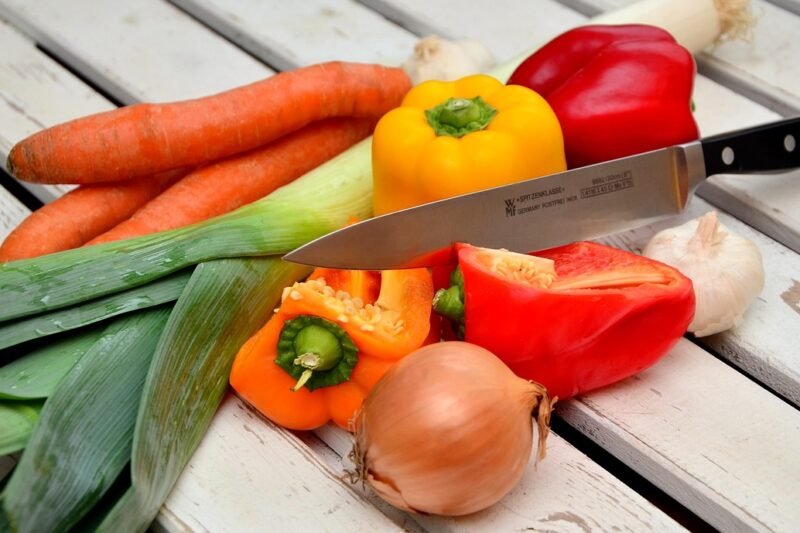




Understanding the Boning Knife
A boning knife is an essential kitchen tool, specifically designed to remove bones from meat, poultry, and fish. Characterized by its narrow, flexible blade, typically ranging from 5 to 7 inches, it allows for precision and control. The tip is sharp, facilitating delicate tasks like filleting fish or deboning chicken thighs without damaging the flesh.
Choosing the Right Boning Knife
Before diving into the usage techniques, it’s important to choose the right boning knife for your needs. Look for a:
- Flexible Blade: Ideal for delicate tasks, as it adapts to the contours of the meat.
- Sturdy Handle: A comfortable grip is crucial for control and safety. Material options include wood, plastic, or rubber.
- Quality Steel: Stainless steel is preferred for durability and resistance to rust and stains.
Proper Grip Techniques
How you hold your boning knife can significantly impact its effectiveness. Here’s how to grip it correctly:
Pinch Grip: Place your thumb and the side of your index finger on the blade, while the remaining fingers wrap around the handle. This method provides maximum control.
Handle Grip: For those who prefer a more secure hold, especially when handling larger cuts, grasp the handle firmly with all fingers. Ensure your thumb is positioned on the side for leverage.
Preparing the Workspace
A clean, organized workspace promotes safety and efficiency. Follow these steps to set up:
- Cutting Board: Use a stable, non-slip cutting board. Plastic or wood works best, as they are easier on the knife’s edge.
- Sanitation: Ensure all tools, including your boning knife, are clean to avoid cross-contamination, especially when dealing with raw meat or fish.
Techniques for Using a Boning Knife
1. Deboning Chicken
To debone a chicken leg:
- Start at the Joint: Locate the joint connecting the thigh and drumstick. Use your boning knife to cut through the skin around the joint.
- Work Around the Bone: Gently slide the knife along the bone, using short, smooth strokes. The knife should follow the contour of the bone to minimize meat loss.
- Detach the Bone: Once you reach the end, use the knife tip to carefully pop the bone free from the meat.
2. Filleting Fish
For filleting fish, follow these steps:
- Position the Fish: Place the fish on its side on the cutting board. Secure the head with one hand.
- Starting Cut: Insert the knife just behind the gills at a 45-degree angle. Create a slit and pivot the blade along the backbone.
- Follow the Spine: Use short, sweeping motions to cut down toward the tail, maintaining contact with the ribs.
- Remove the Fillet: Once you reach the tail, lift the fillet away. Repeat on the other side.
3. Trimming Meat
For trimming excess fat from cuts of meat:
- Identify the Fat: Look for large sections of fat that need removal.
- Angle Your Knife: Hold the boning knife at a slight angle against the meat.
- Sawing Motion: Use a gentle sawing motion to cut through the fat without taking too much meat off.
Maintaining Your Boning Knife
Proper maintenance extends the life of your boning knife and ensures effectiveness:
- Sharpening: Keep your knife sharp. Use a whetstone, honing steel, or a professional sharpening service regularly.
- Cleaning: Hand wash with warm, soapy water and dry immediately to prevent rust. Avoid dishwashers, as they can damage the blade.
- Storage: Store in a knife block or on a magnetic strip to protect the blade’s edge. Avoid tossing in a drawer.
Safety Tips
Using a boning knife requires caution to prevent accidents:
- Cut Away from Your Body: Always cut away from yourself and secure the meat or fish to avoid slips.
- Use a Clean Board: Avoid cross-contamination by using separate cutting boards for raw and cooked products.
- Focus on Your Task: Minimize distractions while using the knife to maintain concentration.
Cooking Techniques for Boned Cuts
Understanding how to properly cook the boned cuts can enhance flavor and texture:
- Marinade: Marinade boneless cuts before cooking to enhance flavor and tenderness.
- Cooking Methods: Consider various cooking techniques such as grilling, slow cooking, or pan-searing to bring out optimum taste and juiciness.
Frequent Mistakes to Avoid
When using a boning knife, keep these common pitfalls in mind:
- Rushing the Process: Take your time to ensure clean cuts and minimize waste.
- Using the Wrong Knife: Avoid using a paring knife or chef’s knife for boning tasks.
- Neglecting Knife Care: Failing to maintain the knife can lead to dullness and inefficiency.
Conclusion
Mastering the use of a boning knife involves practice and familiarity with the tool. By selecting the right knife, honing your grip, and practicing proper techniques, you can enhance your culinary skills remarkably. Whether you’re preparing meats, poultry, or fish, a boning knife is a versatile tool that every home cook or professional chef should have within reach. Maintaining your knife’s quality and understanding the best practices for ensuring safety will result in superior dishes and elevate your overall cooking experience.