


Understanding Knife Sharpness
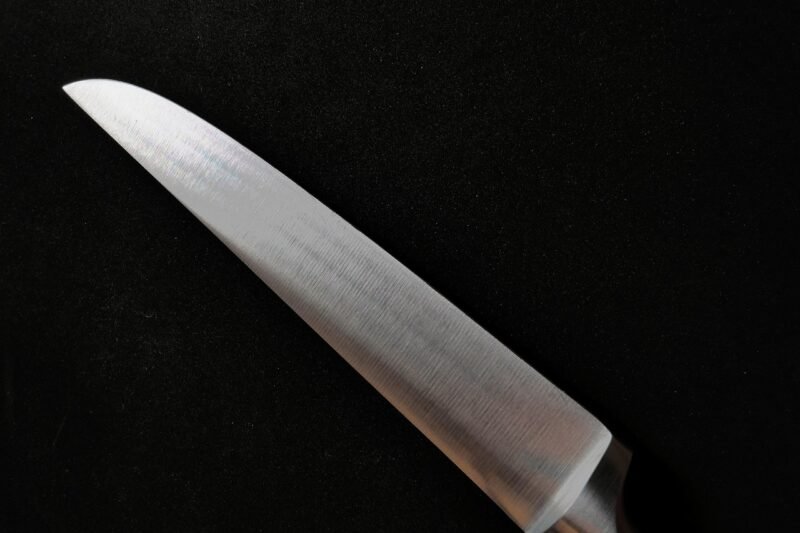
Knife sharpness is essential for effective cutting, slicing, and dicing in the kitchen. A sharp knife requires less force and offers greater precision. Understanding the anatomy of a knife can aid in sharpening it effectively. The blade consists of the edge (where sharpness occurs), the spine (the top, thicker part), and the heel (the rear part for tough cuts).
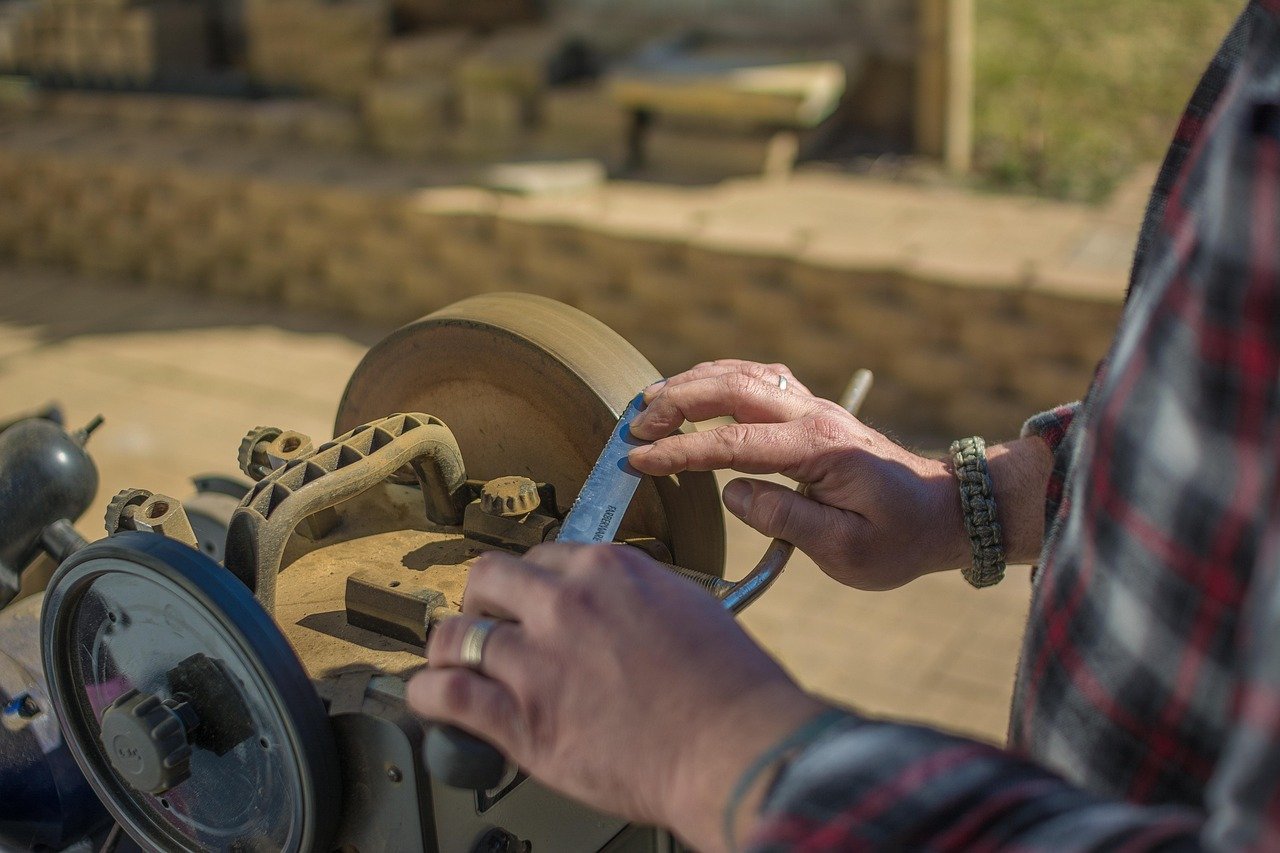
Importance of Knife Maintenance
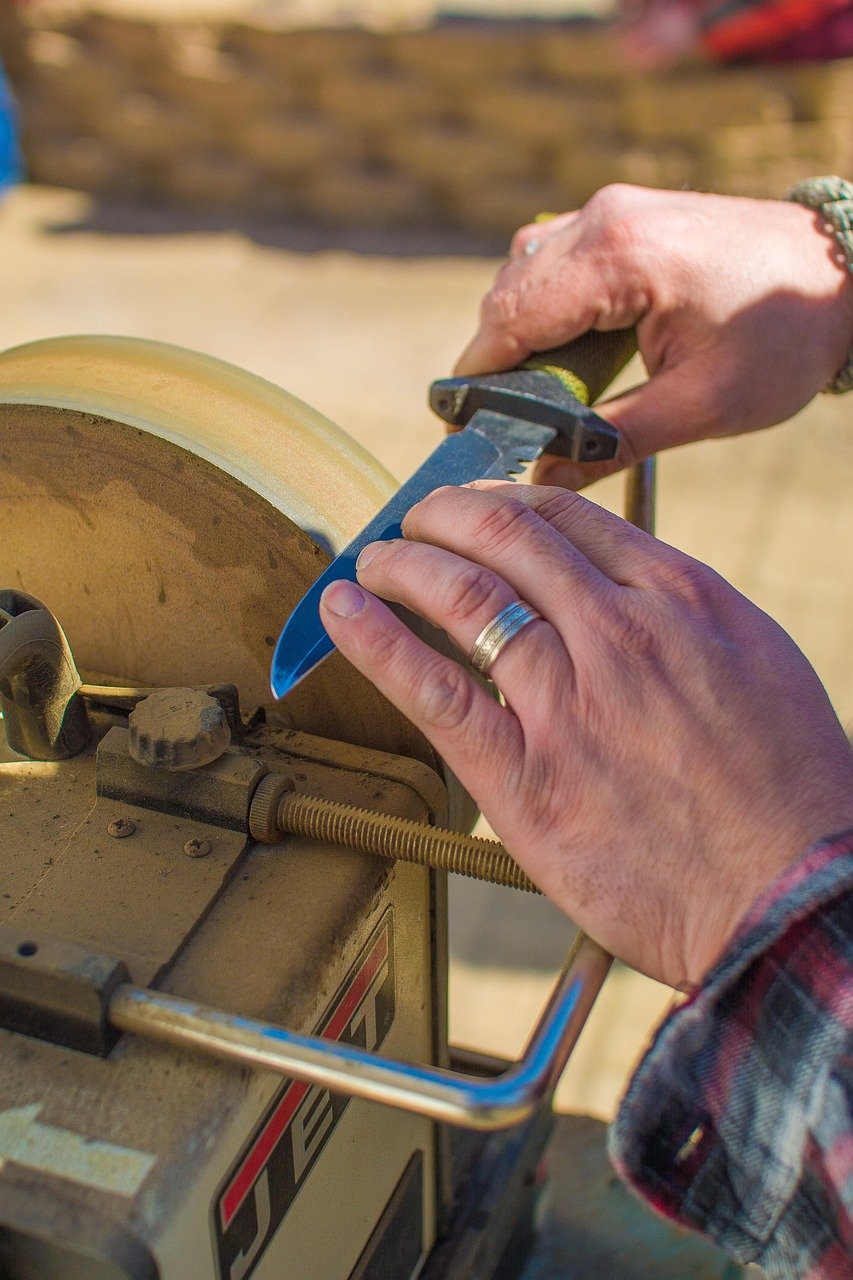
Maintaining the sharpness of your knives can greatly enhance your cooking experience. A dull knife is dangerous; it can slip and cause accidents. Regular maintenance not only keeps your knife performing at its best but also extends its lifespan.
Tools Required for Knife Sharpening
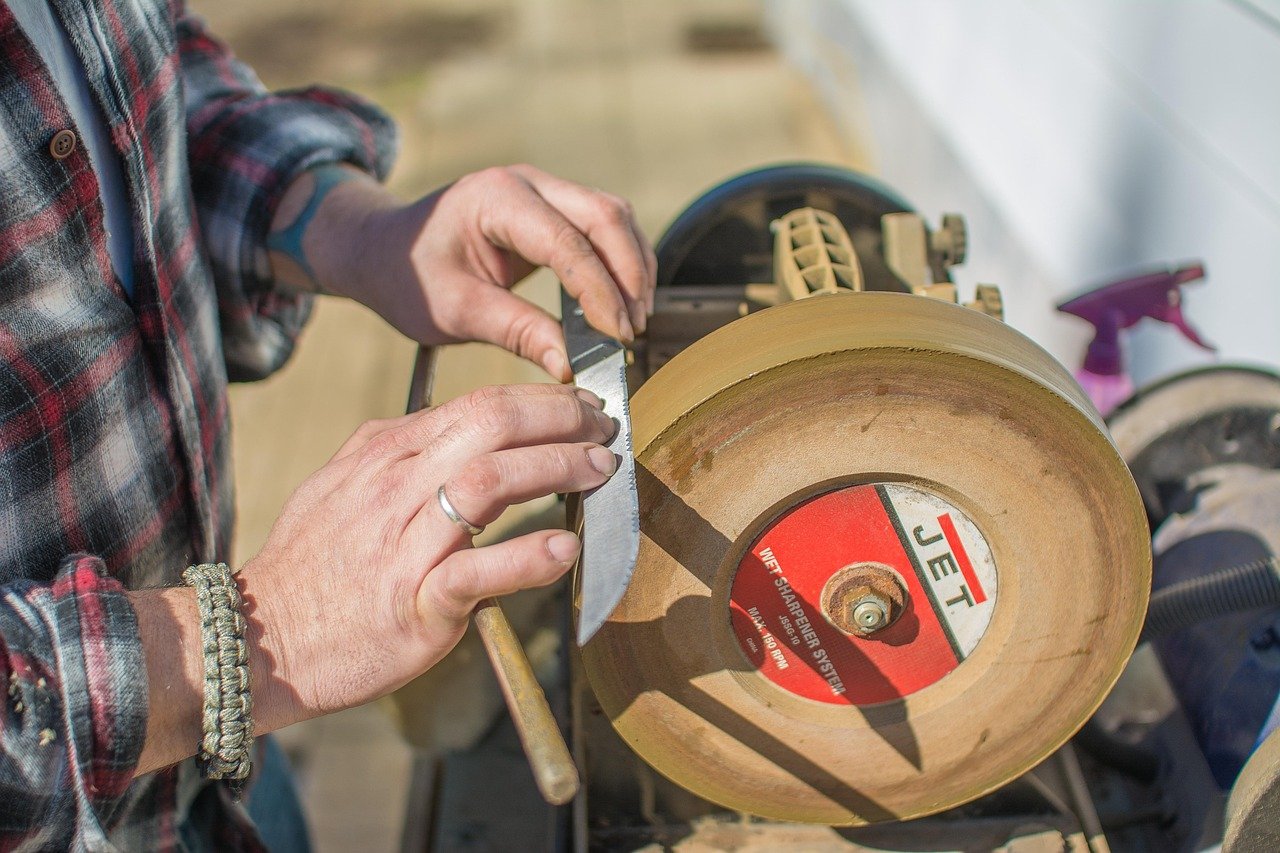
Whetstone/Sharpening Stone: A traditional method that involves rubbing the knife blade against a stone, which can come in various grits—coarse, medium, and fine.
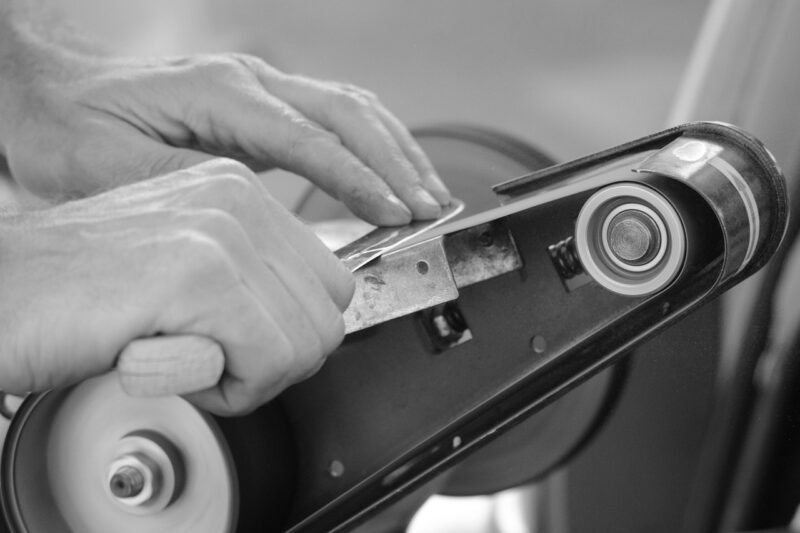
Chef’s Choice Electric Sharpener: A quick and efficient method that can restore a blade’s edge with minimal effort.
Honing Steel: Often confused with sharpening, honing realigns the blade’s edge rather than removing material. It’s a critical step to maintain knife sharpness.
Pull-Through Sharpeners: These are user-friendly gadgets with a slot containing abrasive materials. Simply pull the knife through, and it’s sharpened!
Stropping Leather: A piece of leather can be used to refine the edge further after sharpening.
Basic Techniques of Knife Sharpening
Using a Whetstone
Step 1: Choose the Right Grit
- If the knife is very dull, start with a coarse grit (200-400). For routine sharpening, a medium grit (1000) is sufficient. A fine grit (3000-8000) is for honing and polishing.
Step 2: Prepare the Whetstone
- Soak the stone in water for about 10-15 minutes, or use oil if it’s an oil stone. This helps to create a slurry that assists in sharpening.
Step 3: Angling the Knife
- Hold the knife at a 15-20 degree angle. This angle allows for effective sharpening without damaging the blade.
Step 4: Sharpening Motion
- Start from the heel of the blade and move toward the tip in long, sweeping strokes. Alternate sides after about 10 strokes to maintain an even edge.
Step 5: Finishing Touch
- Switch to a finer grit stone and repeat the process for a polished edge.
Using Honing Steel
Step 1: Positioning
- Hold the honing steel vertically with the tip down and grab the handle with your dominant hand. Hold the knife in your other hand.
Step 2: Angle and Motion
- Position the knife at a 20-degree angle against the steel. Run the knife down the steel, from heel to tip, maintaining the angle.
Step 3: Repeat
- Do this 5-10 times on each side of the blade, alternating sides for even honing.
Using an Electric Sharpener
Step 1: Selecting the Slot
- Most electric sharpeners have slots for coarse and fine sharpening. Choose the coarse slot for dull knives and follow with the fine slot for honing.
Step 2: Inserting the Knife
- Place the knife into the slot and gently pull it through as directed (usually in one direction only).
Step 3: Test the Edge
- After sharpening, test the knife by slicing through paper. A well-sharpened knife should glide through easily.
Tips for Effective Knife Sharpening
- Regular Maintenance: Hone your knife after every few uses to prevent dullness.
- Cleaning After Use: Always clean your knives promptly after using, as residue can cling to the blade and impact the sharpness over time.
- Storage Best Practices: Store knives in a block, on a magnetic strip, or in sheaths to protect the edge from damage.
- Avoid Glass Cutting Boards: Use wooden or plastic boards that do not dull the blade quickly.
- Experiment with Angles: Different knives might perform better at varied angles, so try adjusting the sharpening angle based on the specific knife type.
Safety Precautions for Knife Sharpening
- Secure the Whetstone: Use a damp cloth or a non-slip base to stabilize the stone while sharpening.
- Cut Away From Your Body: Always ensure that the blade is directed away from your body to minimize the risk of injury.
- Focus on Your Grip: A firm grip on the knife’s handle and a secure stance while sharpening will prevent slips.
Troubleshooting Common Sharpening Issues
- If your knife is still dull after sharpening, check the angle you maintained while sharpening or reconsider the method used.
- Misalignments can occur if honing steel techniques are not applied consistently; regular honing may solve this issue.
- If you’re unable to get the desired sharpness from a whetstone, check for defects on the blade’s edge or consider professional sharpening.
Conclusion
Knife sharpening is a vital skill for any kitchen enthusiast. Adopting these techniques and tips will not only simplify the process but also enhance your culinary skills, ensuring you have the sharpest tools at your disposal. Regular practice with your sharpening methods will lead to quicker, safer, and more efficient meal preparation. Embrace the art of knife sharpening and elevate your cooking experience at home!