


Understanding Knife Sharpeners

When sharpening a knife, understanding the type of sharpener you are using is crucial for safety. There are several types available:
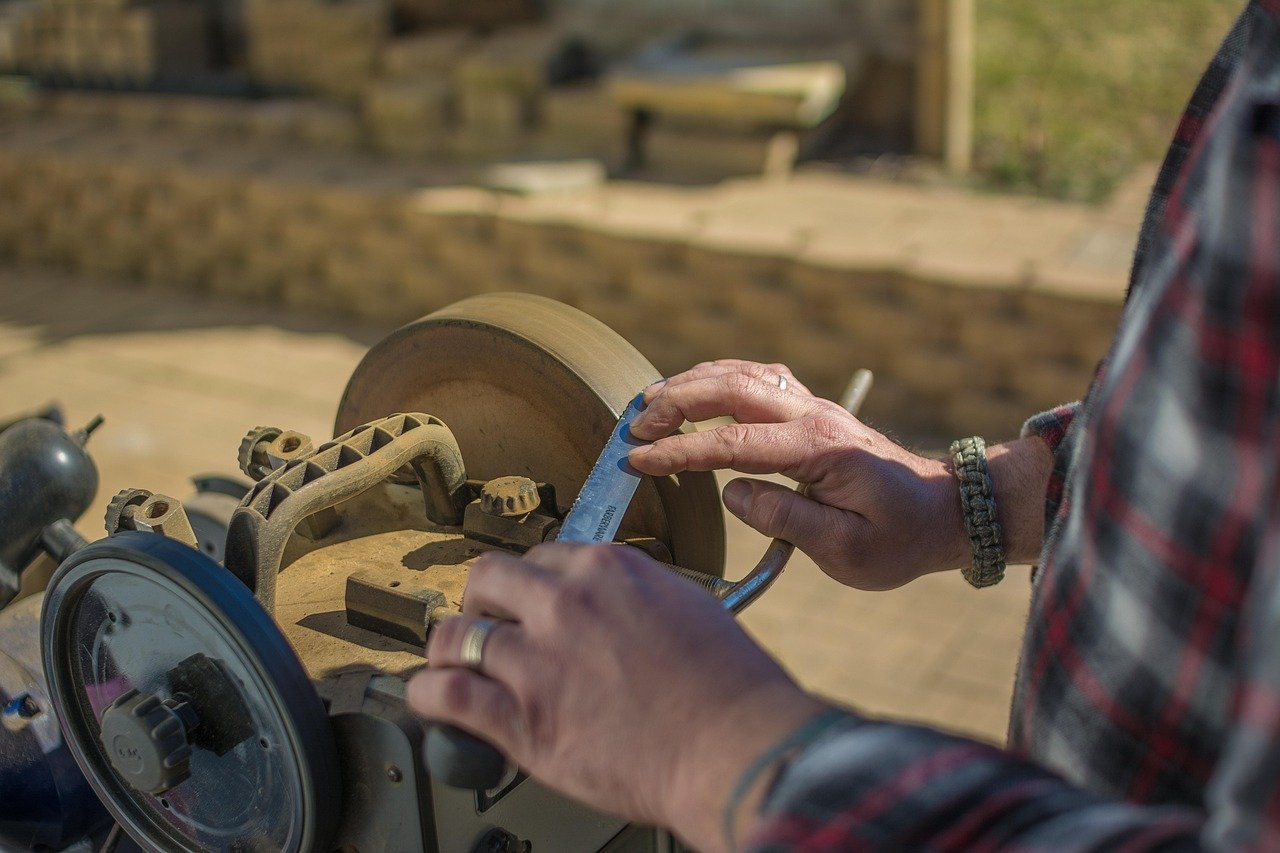
- Manual sharpeners: These can be handheld or stationary, often featuring ceramic or diamond rods designed for honing and sharpening both straight-edge and serrated knives.
- Electric sharpeners: These machines often have multiple slots with different angles for sharpening blades quickly and effectively.
- Whetstones: Traditional sharpening stones that require practice but provide excellent results if used correctly.

General Safety Precautions
Read the Instructions: Always start by reading the manufacturer’s instructions. Each sharpener has specific usage guidelines that can prevent accidents and improve sharpening efficacy.
Choose a Stable Surface: Use a flat, stable surface for your sharpening setup. A wobbly table or countertop can lead to slips and accidents. A non-slip mat can further enhance stability.
Wear Protective Gear: Consider wearing cut-resistant gloves designed for knife handling. While handling sharp knives, protective eyewear may also be beneficial.
Keep Your Hands Dry: Moisture can lead to slippage. Always ensure your hands are dry while handling a knife or sharpener.
Work in a Well-Lit Area: Adequate lighting helps you see the blade and your movements clearly, minimizing the risk of accidents caused by misjudgment.
Safe Handling Techniques
Always Cut Away From Yourself: When using a knife, always direct the blade away from your body. This simple habit can prevent severe injuries.
Never Attempt to Catch a Falling Knife: If a knife slips from your hands, do not attempt to catch it. Let it fall and avoid injury.
Use the Right Tools: Make sure that the knife sharpener is appropriate for the type of knife you are sharpening. Using the wrong sharpener can lead to ineffective sharpening and accidents.
Secure the Knife Properly: When sharpening, ensure the knife is properly positioned, whether it’s secured in a holder or stabilized with your hand. Avoid using excessive force that can lead to slips.
Specific Safety with Different Types of Sharpeners
Manual Sharpeners
Position the Sharpener Correctly: Keep the sharpener stable and hold it securely on the surface to reduce the risk of slipping.
Sharpen with Control: Use firm but gentle pressure while pulling the knife through the sharpener. Excessive force can cause the blade to slip and potentially injure you.
Hone Regularly: Regular honing can reduce the need for extensive sharpening, lowering the risk of accidents during the sharpening process.
Electric Sharpeners
Unplug When Not in Use: Always unplug the sharpener when not in use or when changing knife blades. Electrical appliances can pose additional risks if mishandled.
Monitor Blade Positioning: Be aware of where your fingers are in relation to the sharpener’s slots to avoid any pinch points or injuries.
Don’t Overload the Sharpener: Follow recommended guidelines on how many times to run a blade through the slots. Overuse can cause the mechanism to jam or malfunction.
Whetstones
Soak the Stone: When using a whetstone, ensure it is properly soaked if required. A dry stone may cause increased friction and can lead to loss of control.
Use a Towel for Grip: Place the stone on a damp cloth or towel to prevent slipping during use. This adds a layer of safety and improves control.
Sharpen at the Right Angle: Maintain a consistent angle (usually between 15-20 degrees) to ensure both effective sharpening and safety.
Post-Sharpening Practices
Store Sharpened Knives Safely: After sharpening, always store knives in a knife block, sheath, or designated drawer to prevent accidental cuts.
Clean Your Tools: After use, clean the sharpener and your knives. Residue or debris can lead to accidents when using or re-storing tools later.
Regularly Inspect Equipment: Regularly check the condition of your sharpeners and knives. Any visible damage or wear may compromise safety and effectiveness.
Educate and Share Knowledge
Teach Safety Practices: If you share your kitchen space, make sure to educate everyone on sharpener safety and best practices for knife handling.
Encourage Safe Cooking: Promote a culture of safety while cooking, where everyone is aware of the tools in use and the importance of handling sharp objects responsibly.
Common Mistakes to Avoid
Neglecting Maintenance: Failing to clean and maintain sharpeners can lead to less effective performance and greater risks of accidents.
Ignoring Warnings: Always heed safety warnings or caution notes provided by manufacturers regarding the use of specific sharpeners.
Sharpening Quickly: Rushing through the sharpening process increases the chances of injury. Take your time, focus on the task, and maintain proper form throughout the process.
Conclusion on Safety Practices
By following these knife sharpener safety tips, you can sharpen your knives effectively while minimizing the risk of accidents. Awareness and caution during the sharpening process can go a long way in ensuring safety not only for yourself but also for those around you. Regular education, proper tool use, and meticulous handling are essential components of knife safety in any kitchen environment.