


The Importance of a Good Knife Sharpener in Every Kitchen
Every cook, whether a novice or an advanced chef, knows that sharp knives are essential to cooking. A good knife can not only enhance the quality of your meal but also improve your safety and efficiency in the kitchen. While many cooks invest in high-quality knives, the crucial element often neglected is a good knife sharpener. Below, we explore the multifaceted benefits of having a reliable knife sharpener, the types available, and how to choose the right one for your cooking needs.
Benefits of a Good Knife Sharpener
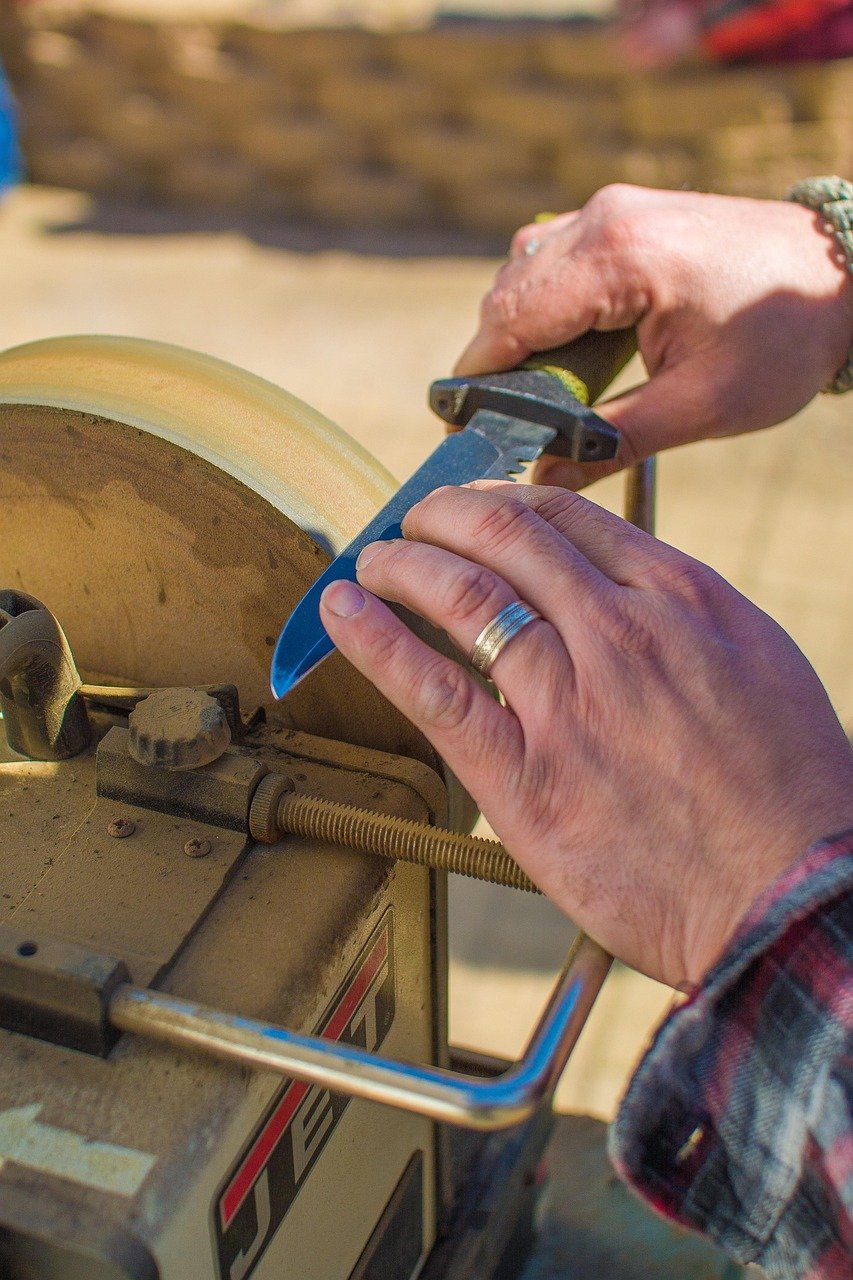
Improved Safety
A sharp knife is a safe knife. Dull knives require more force to cut through food, which increases the likelihood of slips and injuries. When a knife becomes dull, it wants to slide off rather than cut through the material, potentially leading to cuts on your fingers or hands. In contrast, a sharp knife allows for cleaner, more controlled cuts, reducing the risk of accidents in the kitchen.
Enhanced Efficiency
In a bustling kitchen, time is of the essence. Sharp knives facilitate quicker and more effective cutting, slicing, and dicing. Chefs can work through their prep tasks in record time, leading to increased productivity. When you can execute precise cuts, you not only save time but also enhance the overall presentation of the dish.
Better Flavor and Texture
A sharp knife can significantly affect the flavor and texture of ingredients. Dull knives crush food rather than slice it cleanly, which can release juices and alter essential oils crucial for flavor profiles. This is particularly important when working with delicate herbs, garlic, and vegetables. Clean cuts preserve the integrity of the ingredient, ensuring that flavors remain vibrant and fresh.
Longevity of Knives
A good knife sharpener can greatly extend the life of your knives. Regular sharpening maintains the blade edge, preventing the need for frequent replacements. Investing in a quality sharpener ensures that you take proper care of your knives over time, leading to significant savings in the kitchen.
Cost-Effectiveness
While high-quality knives can be an investment, pairing them with a good knife sharpener maximizes value. Rather than purchasing new knives every few months due to wear and tear, maintaining sharp edges ensures that you get the most out of your investment. A sharpener offers a quick and cost-effective solution, often priced much lower than premium knives.
Types of Knife Sharpeners
Knowing the types of knife sharpeners available can help you make an informed decision based on your needs.
Manual Sharpeners
Manual sharpeners are user-operated tools ranging from whetstones to handheld devices. Whetstones, or sharpening stones, allow for precise sharpening but require some skill. Handheld sharpeners provide a more straightforward process; simply draw the knife through the slots to achieve a sharper edge.
Electric Sharpeners
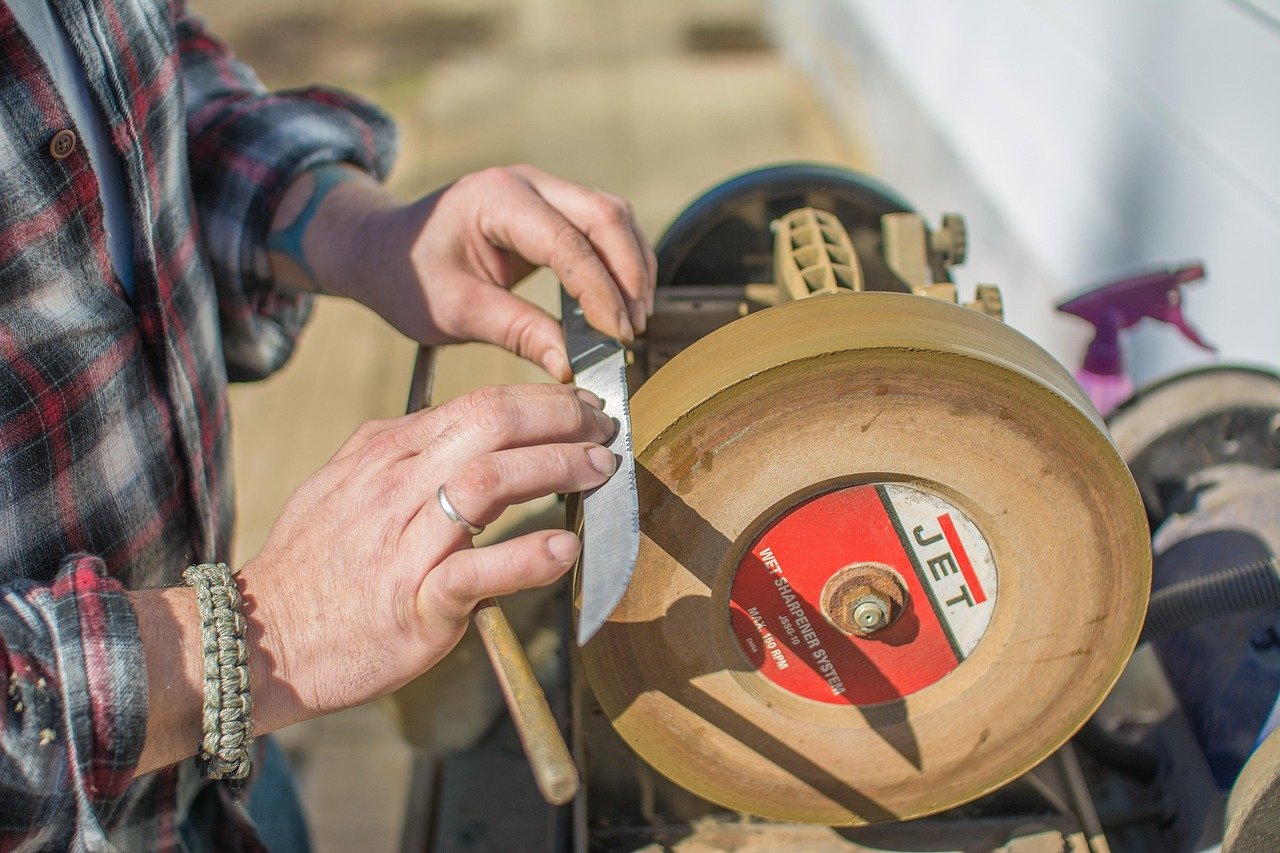
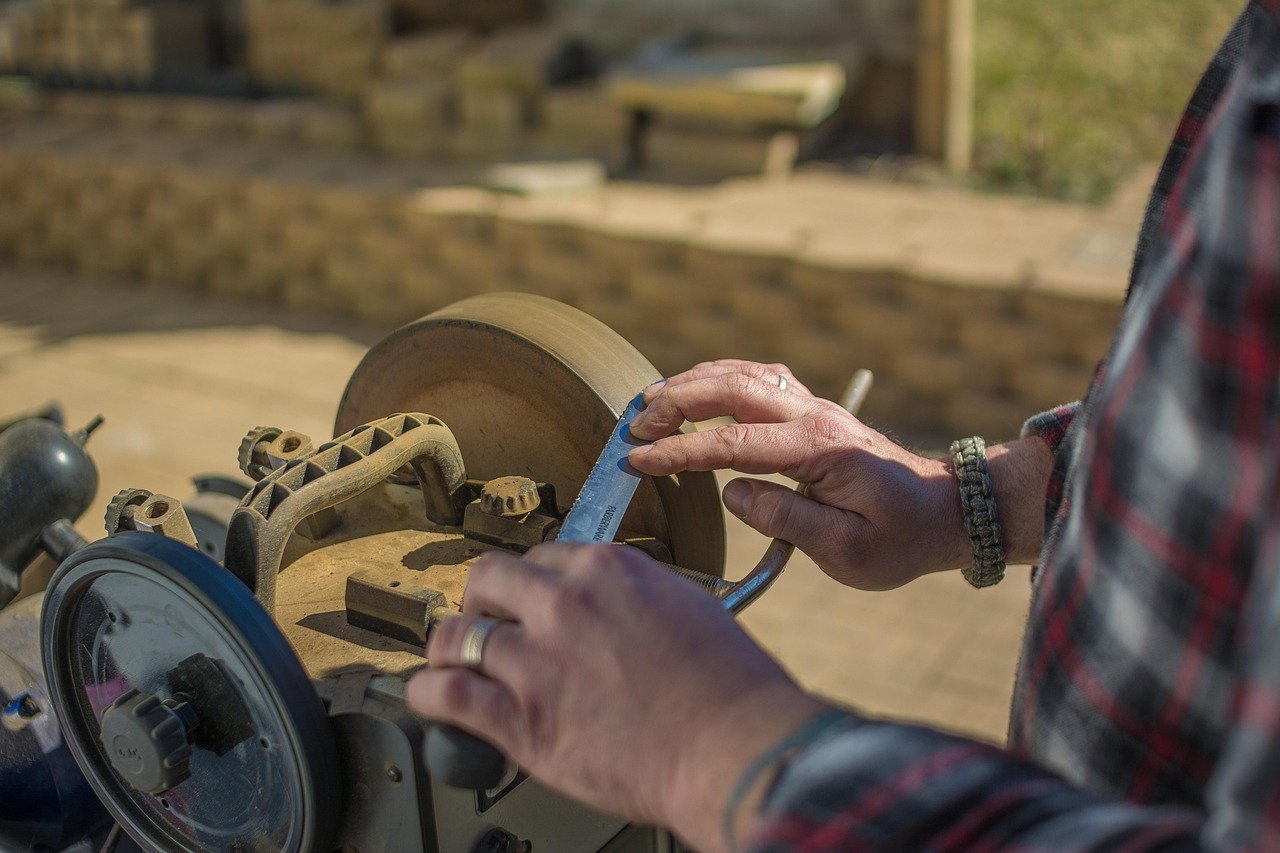
Electric sharpeners use motorized grinding wheels to quickly sharpen knives. They are often favored for their speed and ease of use, making them ideal for busy kitchens. However, they may remove more material than manual options, potentially shortening the lifespan of your knife if not used judiciously.
Honing Rods
Honing rods are essential tools in maintaining the edge of a knife between sharpenings. They don’t sharpen the knife in the traditional sense but help realign the blade’s edge. Frequent use of a honing rod can keep knives sharper for longer.
Professional Sharpening Services
If you’re hesitant about tackling the task yourself, consider professional sharpening services. These experts utilize specialized equipment that can restore your knife to like-new condition. This is particularly useful for high-end knives or those with complicated designs.
How to Choose the Right Knife Sharpener
When selecting a knife sharpener, consider the following factors:
Type of Knives: Identify the types of knives you own. Different sharpeners may be better suited for specific materials, such as stainless steel or ceramic.
Frequency of Use: If you’re regularly in the kitchen, a manual or electric sharpener might be beneficial. For infrequent use, a compact handheld sharpener may suffice.
Skill Level: For novice cooks, an electric sharpener or handheld model can simplify the sharpening process. More experienced chefs might prefer the control that comes with whetstones.
Size and Portability: If space is limited, consider a compact sharpener. Portable options are also perfect for taking along during camping or outdoor cooking experiences.
Price and Quality: While investing in a quality knife sharpener is critical, be mindful of your budget. There are excellent options available across various price ranges.
Ease of Use: Look for sharpeners with clear instructions. Some models also feature guides to help you maintain the correct angle, making the process easier for beginners.
Maintenance Tips for Knife Sharpener
Maintaining your knife sharpener is crucial for performance and longevity. Here are some tips:
- Clean Regularly: Remove debris and shavings after each use to prevent dulling and preserve the sharpener’s effectiveness.
- Follow Manufacturer Instructions: Always adhere to the recommended care guidelines for your specific sharpener type.
- Store Safely: Keep your sharpener in a designated place to avoid damage. For electric sharpeners, ensure they are stored away from moisture to prevent electrical issues.
- Inspect for Wear and Tear: Over time, sharpening surfaces can become less effective. Regularly check your sharpener for signs of wear, and replace or service it when necessary.
Conclusion
For every cook, a good knife sharpener is not just an accessory; it is an essential tool that transforms the cooking experience. From enhancing safety and efficiency to preserving flavor and extending the life of knives, a reliable sharpener offers a multitude of benefits. Whether you prefer the control of a whetstone, the speed of an electric sharpener, or the convenience of a handheld device, investing in a quality knife sharpener is a decision that will enhance your culinary adventures for years to come.