


Understanding Knife Sharpeners
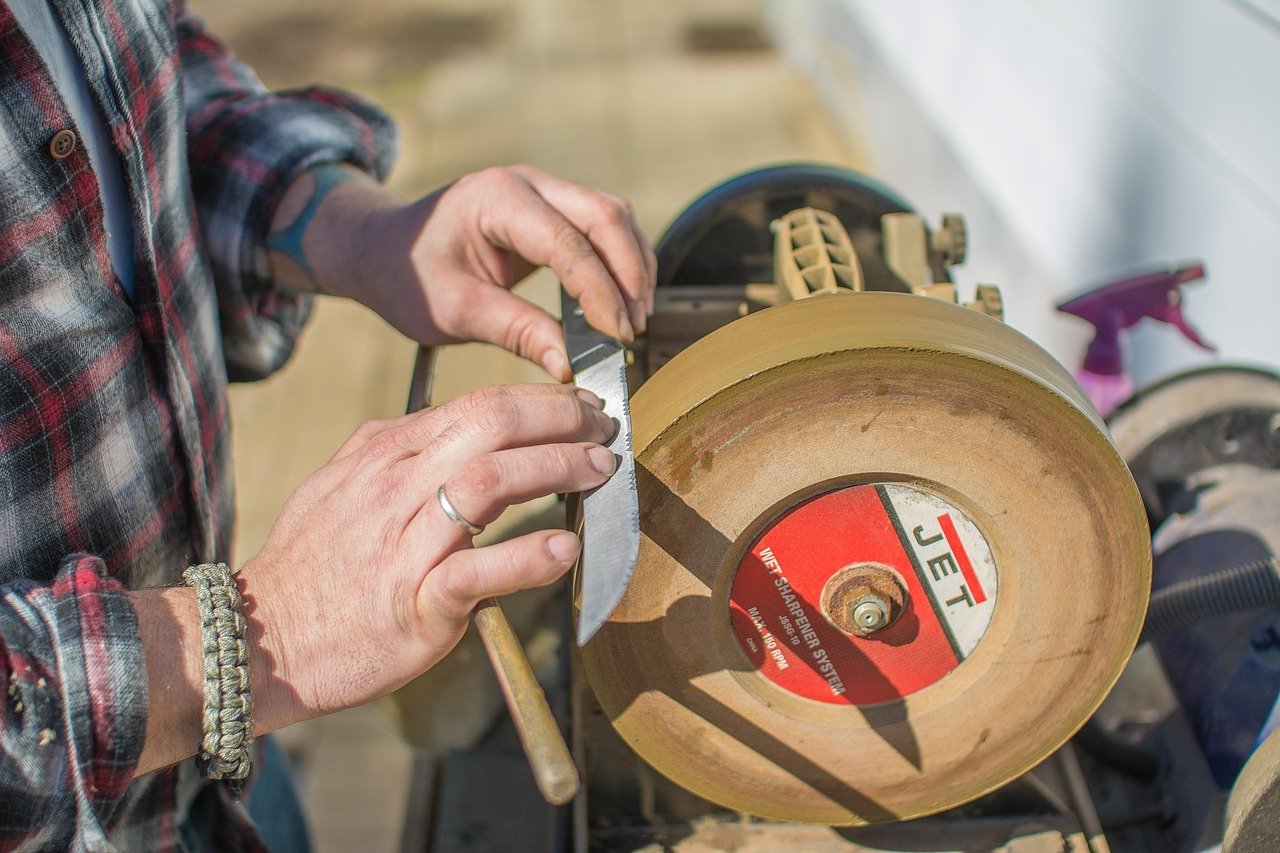
Knife sharpeners come in various types, including manual, electric, and diamond sharpeners, each requiring specific care to ensure longevity. Proper maintenance not only prolongs their lifespan but also improves the efficiency of knife sharpening. Investing time in understanding and caring for your sharpener will yield sharper knives and enhance kitchen safety.
Cleaning Your Knife Sharpener
Daily Cleaning
After using your knife sharpener, it is crucial to clean it properly. For manual and diamond sharpeners, begin by wiping down the sharpening surfaces with a damp cloth to remove metal shavings and debris. Avoid using abrasive materials that could scratch or damage the sharpening surface.
For electric knife sharpeners, unplug the device before cleaning. Use a soft brush or cloth to clean the inside and outside of the sharpener, ensuring to get rid of any metal particles. If the manufacturer’s guidelines permit, you can use a mild soap solution to clean the exterior, but ensure that no soap gets into the sharpening components.
Deep Cleaning
Deep cleaning should be performed every few months, depending on usage. For manual and diamond sharpeners, soak them in warm, soapy water for a few minutes before scrubbing with a soft brush. After rinsing, dry them thoroughly to prevent rust.
Electric knife sharpeners usually come with a removable honing module. Check the user manual for detailed instructions on how to clean these components. Regular deep cleaning helps eliminate stubborn grime and preserves the tool’s effectiveness.
Proper Storage Techniques
Storing your knife sharpener appropriately can significantly extend its life. After cleaning your sharpener, ensure it is completely dry before storage.
Protective Cases
For portable sharpeners or ones that are frequently transported, consider investing in a protective case. This not only prevents physical damage but also keeps them clean and dust-free.
Designated Storage Area
Designate a storage area in your kitchen or workshop, keeping the sharpener away from direct sunlight and moisture. Maintaining a stable temperature prevents coating degradation on both the sharpener and the knives.
Understanding Use Instructions
Following the manufacturer’s instructions is crucial. Each sharpener may have specific angles and techniques for optimal sharpening.
Avoiding Over-sharpening
One of the critical aspects of knife sharpener care is avoiding over-sharpening. Too much use can wear down the sharpening surface and affect the sharpness of your knives negatively. Sharpen your knife only when necessary, and utilize honing to maintain the edge in between sharpening sessions.
Using the Right Technique
When using manual sharpeners, users must maintain consistent pressure and angle while moving the knife across the sharpening materials. Understand the recommended angle (usually between 15 to 20 degrees for most knives) to ensure that the blade is sharpened properly without causing damage.
Regular Inspection for Wear and Tear
Integrate a regular inspection of your knife sharpener into your maintenance schedule. Check for any signs of wear, such as chipped sharpening components or stiction in the sharpening mechanism.
Replace Worn Parts
If parts of your sharpener are worn out, check if they are replaceable. Many reputable manufacturers offer replacement wheels or inserts, which can significantly extend the life of your tool without requiring complete replacement.
Proper Usage of Sharpening Tools
Not every knife is suitable for every sharpener type. Using the wrong sharpener can damage both the knife and the sharpener itself.
Choosing the Right Sharpener
Ensure that the sharpener you use is compatible with the knife’s blade material. For instance, ceramic and some high-carbon steel blades may require specific sharpeners designed to handle their unique properties.
Adapting to Knife Types
Keep in mind that different knives need various sharpening techniques. A paring knife may not sharpen well in a heavy-duty sharpener meant for chef’s knives. Assess each knife’s requirements before initiating sharpening.
Maintaining Electric Knife Sharpeners
Cord Care
For electric sharpeners, the power cord is often a weak point. Avoid pulling on the cord to unplug the sharpener, as this can damage the wiring. Instead, always grip the plug itself.
Safe Usage Practices
Always adhere to the recommended usage frequency and avoid leaving the sharpener plugged in when not in use to prevent overheating.
Avoiding Environmental Impact
Keep your sharpener away from moisture and humidity, as they can cause rust and degradation over time. If you live in humid environments, consider using silica gel packets in storage areas to absorb excess moisture.
Temperature Control
Store your knife sharpener in a temperate room to avoid temperature-induced problems. Rapid changes in temperature can cause materials to expand and contract, which can lead to diminished performance.
Using the Right Materials for Maintenance
When it comes to maintaining your knife sharpener, the materials you use for cleaning and care are critical.
Non-Abrasive Cleaning Supplies
Use only non-abrasive sponges and cloths when cleaning. Steel wool or harsh scrubbing pads can scratch and damage the sharpening surfaces.
Protective Coating
For certain types of knife sharpeners, applying a light coat of vegetable oil may help prevent rust. However, confirm whether this is advisable based on your sharpener’s construction.
Documenting Maintenance History
Consider keeping a log of your maintenance activities. Documenting when and how you clean or replace parts can help diagnose issues faster and guide future maintenance decisions.
By scheduling regular care and being proactive in your approach, you will ensure that your knife sharpener remains efficient, effective, and ready for use whenever needed.