


Understanding the Anatomy of a Hunting Knife
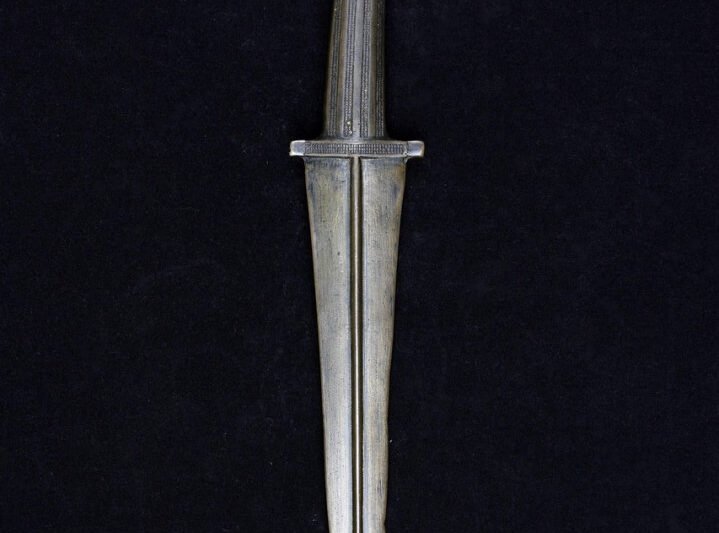
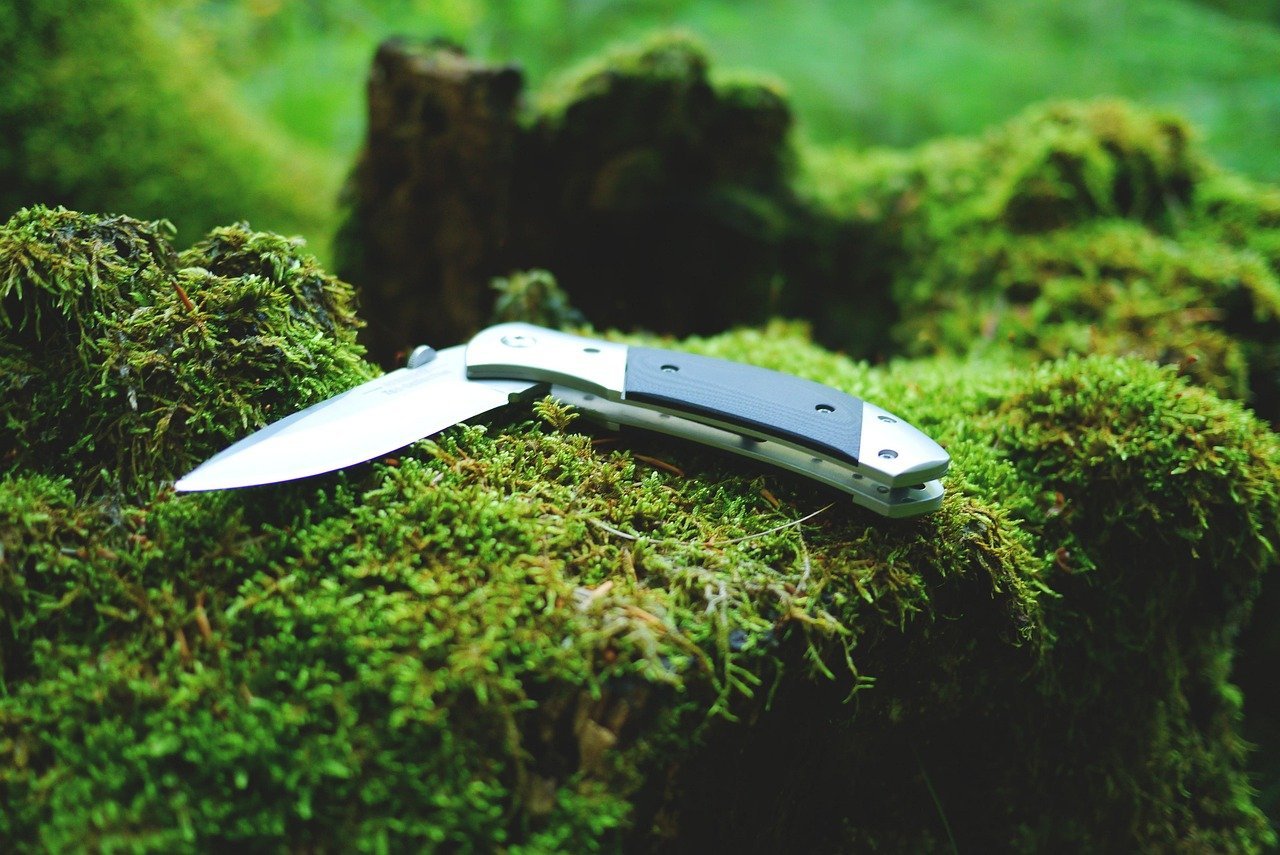
Before diving into maintenance, it’s essential to grasp the anatomy of a hunting knife. A typical hunting knife consists of several parts: the blade, handle, tang, and bolster. Understanding these parts helps you take better care of your knife.
- Blade: The main cutting element, usually made of stainless or carbon steel.
- Handle: Provides a grip and can be made from various materials, including wood, plastic, or rubber.
- Tang: The portion of the blade that extends into the handle, crucial for the knife’s strength.
- Bolster: The thick junction between the blade and handle, adding balance and support.
Why Knife Maintenance is Essential
Proper maintenance of your hunting knife extends its lifespan, enhances cutting performance, and ensures safety during use. A well-maintained knife reduces the risk of injury and provides a better experience while field dressing or preparing food.
Cleaning Your Hunting Knife
Immediate Cleanup
After use, always clean your hunting knife to remove blood, dirt, and moisture. Here’s how:
Use Warm Water: Rinse the blade in warm water to remove any residues. Avoid soaking the knife, as this could lead to rusting, especially with carbon steel blades.
Soft Brush: Use a soft-bristled brush to scrub the blade gently without damaging the edge.
Mild Soap: If necessary, apply a few drops of mild dish soap. Avoid harsh chemicals that can erode blade coatings or corrode the metal.
Drying
Once cleaned, dry the knife thoroughly. Use a soft cloth or paper towel to ensure moisture does not linger, particularly in crevices where rust can develop.
Sharpening Your Hunting Knife
A sharp knife performs better and is safer. Regular sharpening is key to maintaining its edge.
Honing vs. Sharpening
Honing: This re-aligns the edge and should be done frequently using a honing rod.
Sharpening: This removes material to restore a sharper edge and should be performed as the blade becomes dull.
Methods of Sharpening
Whetstone: A traditional method, use a whetstone to sharpen your blade at a consistent angle (20 degrees is standard). Wet the stone before use for optimal friction.
Electric Sharpener: Provides quick results but can remove more material than necessary if not used correctly.
Pull-Through Sharpener: A user-friendly option for beginners, ensuring a consistent angle while sharpening.
Protecting the Blade
To prevent rust and maintain the blade’s aesthetic appeal, consider the following protective measures:
Lubrication
- Oil Application: Regularly apply a thin layer of mineral oil or food-safe oil to protect against moisture and contaminants.
Blade Coatings
- Use Blade Coatings: Some knives come with protective coatings. These can be further enhanced with additional products designed specifically for blade protection.
Handle Maintenance
Cleaning the Handle
Handles made from natural materials, such as wood, can require special attention:
Gentle Wipe: Wipe the handle with a damp cloth, using mild soap if necessary.
Dry Quickly: Always dry the handle promptly to prevent swelling or cracking.
Condition Wood Handles
For wooden handles, use mineral oil to condition and protect the wood. This promotes longevity by preventing the wood from drying out.
Tang and Bolster Care
Tang Inspection
Periodically check the tang for any looseness in the handle. A solid tang ensures your knife’s strength. If loose, consult a professional for repairs.
Bolster Cleaning
The bolster can collect debris. Clean it with a soft cloth, and use a toothbrush for tight spots. This maintains functionality and keeps the knife looking pristine.
Preventing Rust and Corrosion
Given differences in steel types, maintaining your hunting knife against rust involves specific strategies:
Stainless Steel: Still requires maintenance. After cleaning, ensure it’s thoroughly dried, as moisture can cause pitting.
Carbon Steel: More prone to rust. Wipe down with oil after every use and store in a dry place.
Proper Storage
Storing your hunting knife correctly protects it from damage and environmental exposure.
Knife Sheaths
- Use a sheath to protect the blade while in transit. Leather sheaths can absorb moisture, so ensure they’re fully dry before storing the knife.
Storage Environment
- Store in a controlled environment. Avoid damp places; consider a dehumidifier if necessary to keep moisture at bay.
Regular Inspections
Incorporate regular inspections into your maintenance routine. Look for wear and tear, blade integrity, and any rust forming. Catching these issues early can prevent more significant damage.
Conclusion
Maintaining your hunting knife doesn’t have to be daunting. Using the right cleaning products, sharpening techniques, and protective measures can ensure your knife remains sharp, safe, and ready for its next adventure. By investing time in both preventive care and immediate cleaning, you’re not only preserving your tool but also enhancing its performance in the field.