



The Importance of Regularly Sharpening Your Kitchen Knives
Understanding Knife Sharpness
Knife sharpness is a critical factor in the performance of kitchen knives. A sharp knife allows for clean, precise cuts, making meal prep more efficient. In contrast, dull knives can crush or tear food, which not only affects presentation but also impacts cooking times and flavor release. Regular sharpening helps maintain the edge of your knives, ensuring they. stay effective and efficient throughout their lifespan.
The Mechanics of Knife Sharpening
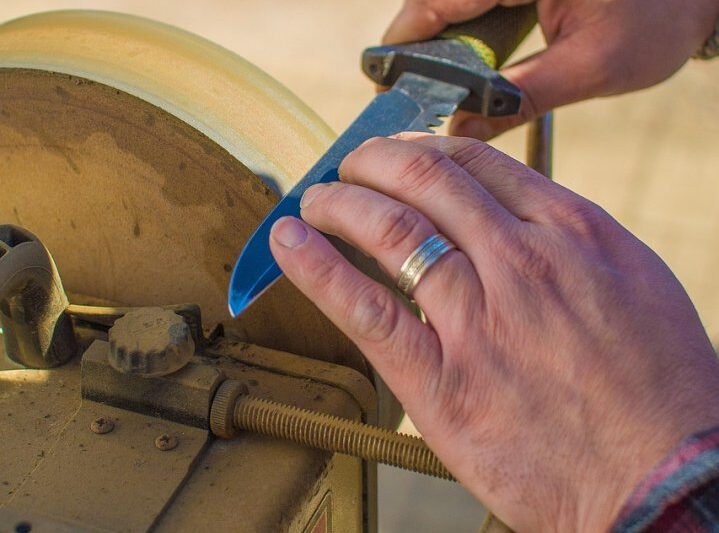
Knife blades are typically made from hard steel, which is designed to hold a sharp edge. Over time, through regular use, the edge of the blade can become dull due to microscopic nicks and wear. Sharpening involves removing material from the blade to restore the sharp edge by creating a fine angle. This can be achieved through various methods, including using whetstones, honing rods, electric sharpeners, or professional sharpening services.
Safety Considerations
Safety is a significant reason for keeping kitchen knives sharp. Dull knives require more force to cut through food, which increases the risk of slips and accidents. When a knife slips, it can lead to serious injuries. A sharp knife, requiring less force, allows for more controlled movements and therefore reduces the chance of cutting oneself inadvertently. Keeping your knives sharp is a proactive approach to kitchen safety.
Enhanced Efficiency
In a busy kitchen, efficiency is crucial. A sharp knife can significantly speed up meal prep, allowing for quicker slicing, dicing, and chopping. Whether you are preparing a family dinner or working in a professional kitchen, the difference in time can be substantial. For example, cutting vegetables with a sharp knife presents less resistance, which means faster preparation and less fatigue for the chef.
Improved Food Quality
The quality of your food can also be markedly better with sharpened knives. A sharp knife provides clean cuts that enhance the presentation of dishes. For instance, when slicing herbs or delicate vegetables like tomatoes, a sharp blade will create smooth edges without crushing the cell structures, which helps preserve freshness and flavor. Dull knives can lead to bruising and uneven finishes, impacting both texture and taste.
The Tools of Knife Sharpening
Whetstones: Whetstones are favored by professional chefs due to their effectiveness in achieving a razor-sharp edge. They come in various grits, allowing users to reshape and refine knife edges. Proper technique is crucial when using a whetstone, including correct angle maintenance and consistent pressure.
Honing Rods: Honing rods are essential tools for regular maintenance rather than true sharpening. They realign the edge of the knife, making it appear sharper and enhancing its cutting efficiency. Regular use after each cutting session can prolong the time between significant sharpening jobs.
Electric Sharpeners: These sharpeners offer convenience and speed, making them suitable for home cooks who may not feel confident using whetstones. While they can provide good results, they can also remove more material from the blade than necessary, potentially shortening its lifespan over time.
Professional Sharpening Services: For those who prefer not to sharpen their knives themselves, many professional services provide high-quality sharpening. These services can be a reliable option, especially for high-end knives.
The Frequency of Sharpening
The frequency with which kitchen knives should be sharpened depends on their usage. For a home cook using their knives a few times a week, sharpening them every 6 to 12 months may suffice. However, professional chefs or those who cook daily may find that sharpening their knives every few weeks is necessary to maintain peak performance. Additionally, routine honing after each use can significantly extend the intervals between full sharpening.
Knife Maintenance Tips
Maintaining your knives is as vital as sharpening them. Here are several essential tips to keep your kitchen knives in excellent condition:
- Hand Wash Only: Always hand wash your knives instead of using a dishwasher. The extreme heat and harsh detergents can dull the blades and damage the handles.
- Proper Storage: Store knives in a designated knife block, magnetic strips, or sheaths to protect the blades from damage. Avoid tossing them in a drawer, where they can bump against each other and lose their edge.
- Dry Immediately: After washing, dry your knives immediately to prevent corrosion and rust formation, especially if they are made from stainless steel.
The Economic Aspect
Investing in quality knives and maintaining them through regular sharpening can save money in the long run. A well-cared-for knife can last for years or even decades, reducing the need for frequent replacements or purchases. Dull knives can lead to more wear and tear on new knives if sharpened incorrectly or too aggressively.
Educational Resources
For those new to the world of knife sharpening, countless resources are available. YouTube offers a plethora of instructional videos, while culinary schools often provide classes focused on knife techniques. Additionally, many kitchenware retailers offer sharpening workshops, allowing aspiring chefs to get hands-on experience with various sharpening tools.
Knife Types and Their Unique Needs
Different types of knives may require specific sharpening techniques. For instance, Japanese knives often demand a particular angle for sharpening, which is usually steeper than that of Western knives. Understanding the specifics of your knife types will lead to the correct sharpening methods, enhancing their longevity and performance.
Community and Culture
Knife sharpening has become an integral aspect of culinary culture, with dedicated communities and events focusing on the art of knife care. Chef competitions often highlight the importance of maintaining sharp tools, emphasizing both skills and craftsmanship. Engaging in these community events can deepen appreciation for knife maintenance and foster a sense of camaraderie among culinary enthusiasts.
Conclusion
In the culinary world, a sharp knife is an indispensable tool that can enhance cooking efficiency, safety, and overall food quality. Regularly sharpening kitchen knives is not just a matter of preference; it is essential for any cook who values precision and performance in the kitchen. Whether you choose to sharpen your knives at home or seek professional help, investing time in keeping your blades sharp will pay off in every slice, dice, and chop. Embrace the art of knife sharpening and experience the difference in your culinary endeavors.