



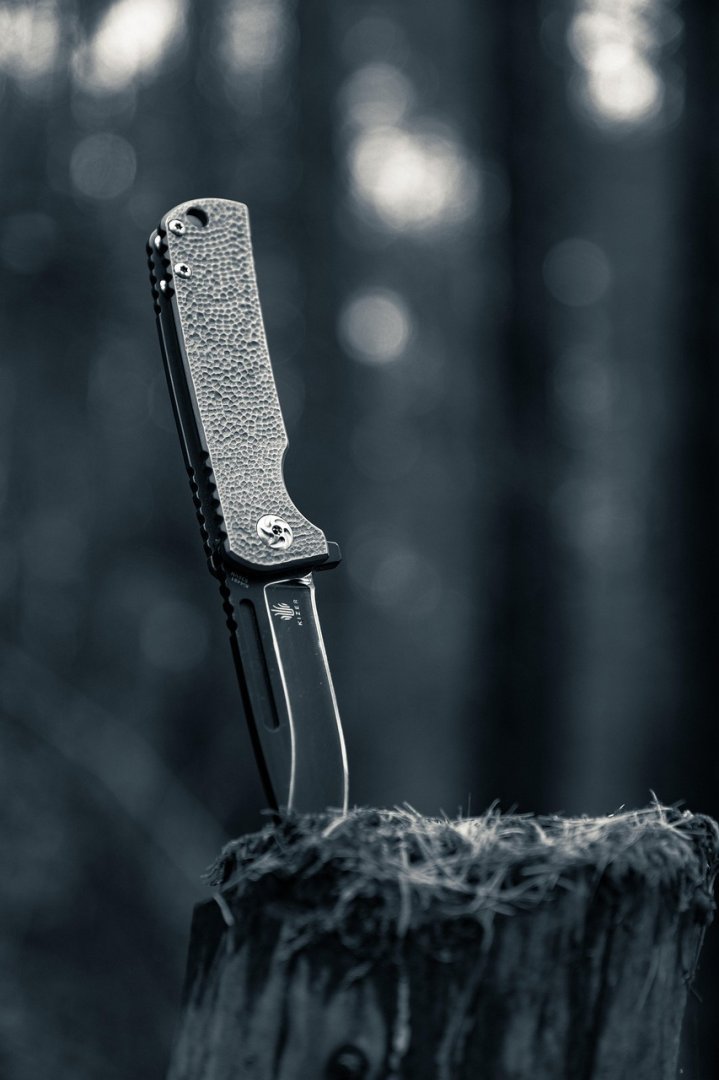
Essential Features of the Best Bushcraft Knives
Bushcraft knives are indispensable tools for outdoor enthusiasts, survivalists, and anyone who enjoys spending time in nature. The best bushcraft knives possess a range of traits that make them efficient, versatile, and durable. This article outlines the essential features to consider in bushcraft knives to help you make an informed decision when choosing the right tool for your outdoor adventures.
1. Blade Material
The blade material is arguably the most critical aspect of a bushcraft knife. The two most common types of steel used are carbon steel and stainless steel.
Carbon Steel: Known for its excellent edge retention and ease of sharpening, carbon steel is favored by many bushcrafters. The trade-off is that carbon steel is more prone to rust, so it requires regular maintenance and proper care. Popular carbon steels include 1075, 1095, and O1.
Stainless Steel: Offers superior resistance to corrosion, making it ideal for wet environments. While stainless steel may not hold an edge as long as carbon steel, the trade-off can be worth it in humid areas. S30V and 440C are common stainless steel options.
2. Blade Thickness
Blade thickness is pivotal, affecting the knife’s strength, weight, and utility. Generally, a thickness of 3.0 mm to 5.0 mm balances robustness and weight for bushcraft tasks. Thicker blades offer more strength for heavy-duty applications, while thinner blades provide better slicing capabilities. A good compromise is a blade around 4.0 mm, which can handle multiple tasks effectively.
3. Blade Shape
The shape of the blade influences its performance in various tasks:
Drop Point: Featuring a convex sweep, the drop-point blade is excellent for skinning and precision cuts. It provides a strong tip, ideal for piercing tasks.
Scandi Grind: This flat-ground blade has a single bevel, making it easier to sharpen and perfect for wood processing tasks like carving and notching.
Flat Grind: A versatile option that offers good slicing capabilities, suitable for general purposes.
Choosing the right shape depends on your primary use, whether it’s food preparation, carving, or shelter building.
4. Handle Design
The handle of a bushcraft knife is vital for comfort and control. Look for features such as:
Ergonomics: The handle should fit comfortably in your hand and offer a natural grip. Contoured designs enhance comfort during prolonged use.
Material: Common materials include wood, micarta, G10, and rubber. Wood provides a traditional feel, while micarta and G10 are durable and water-resistant. Rubber offers a comfortable grip and excellent traction.
Textured Finishing: A textured handle prevents slipping in wet or adverse conditions, enhancing safety and control.
5. Full Tang Construction
A full tang construction means the blade extends the entire length of the handle. This structure significantly enhances strength and durability, making it ideal for heavy-duty tasks such as batoning wood or prying. Knives with partial tangs might be lighter but compromise on strength and reliability, making full tang a preferred choice for rugged bushcraft knives.
6. Sheath Quality
A high-quality sheath is essential for safe transport and storage. Look for features like:
Material: Leather and nylon are common choices. Leather offers classic aesthetics and durability, while nylon is lightweight and typically features additional storage options for small tools.
Retention Mechanism: A well-designed sheath should securely hold the knife in place, preventing accidental loss or injury. Look for snaps, Velcro, or friction holds.
Belt Carry Options: A sheath that allows for various carry methods, such as horizontal or vertical, enhances versatility while keeping the knife accessible.
7. Weight and Balance
Weight and balance significantly influence a knife’s maneuverability and ease of use. A well-balanced knife feels stable in hand and is easier to control for precision tasks. While many bushcraft knives weigh between 4 to 8 ounces, it’s essential to choose a weight that suits your specific needs—heavier knives offer more strength, while lighter ones are easier to carry.
8. Edge Geometry
The cutting edge’s geometry affects how well the knife performs specific tasks. Various geometries can be found:
Convex Edges: These edges are strong and excellent for tasks requiring durability, making them perfect for chopping.
Flat Edges: Ideal for slicing and detailed work, flat edges maximize contact with cutting surfaces.
The choice of edge geometry often depends on your intended use, so consider your primary activities when selecting a knife.
9. Versatility
The best bushcraft knives are versatile enough to perform a wide range of tasks, from preparing food and carving to shelter building and fire-starting. A knife that can efficiently handle multiple applications ensures you have the right tool for any situation that may arise.
10. Brand Reputation
Established brands in the bushcraft community often provide quality assurance and reliability. Look for brands known for their craftsmanship, customer service, and warranties. Research reviews and user experiences to gauge the overall satisfaction of other customers.
11. Price Point
While investing in a quality bushcraft knife is essential, it’s also important to consider your budget. Prices vary widely based on materials, brand reputation, and craftsmanship. Remember, a more expensive knife isn’t always the best choice; instead, focus on finding a well-made knife that meets your specific needs within your budget.
12. Maintenance and Care
Finally, consider how easy the knife is to maintain. A bushcraft knife should be tailored for ease of cleaning and sharpening. Regular maintenance prolongs the knife’s life and ensures optimal performance. Learning proper sharpening techniques and storage methods is essential for any knife user.
Final Thoughts
When searching for the best bushcraft knife, understanding these essential features will empower you to make an informed choice. From blade material to handle design, each element plays a crucial role in the overall functionality and durability of the knife. Ensure that your choice aligns with your specific outdoor needs, and you’ll be well-equipped to tackle any challenge nature has to offer.