



Understanding the Basics: Manual vs. Electric Blade Sharpeners
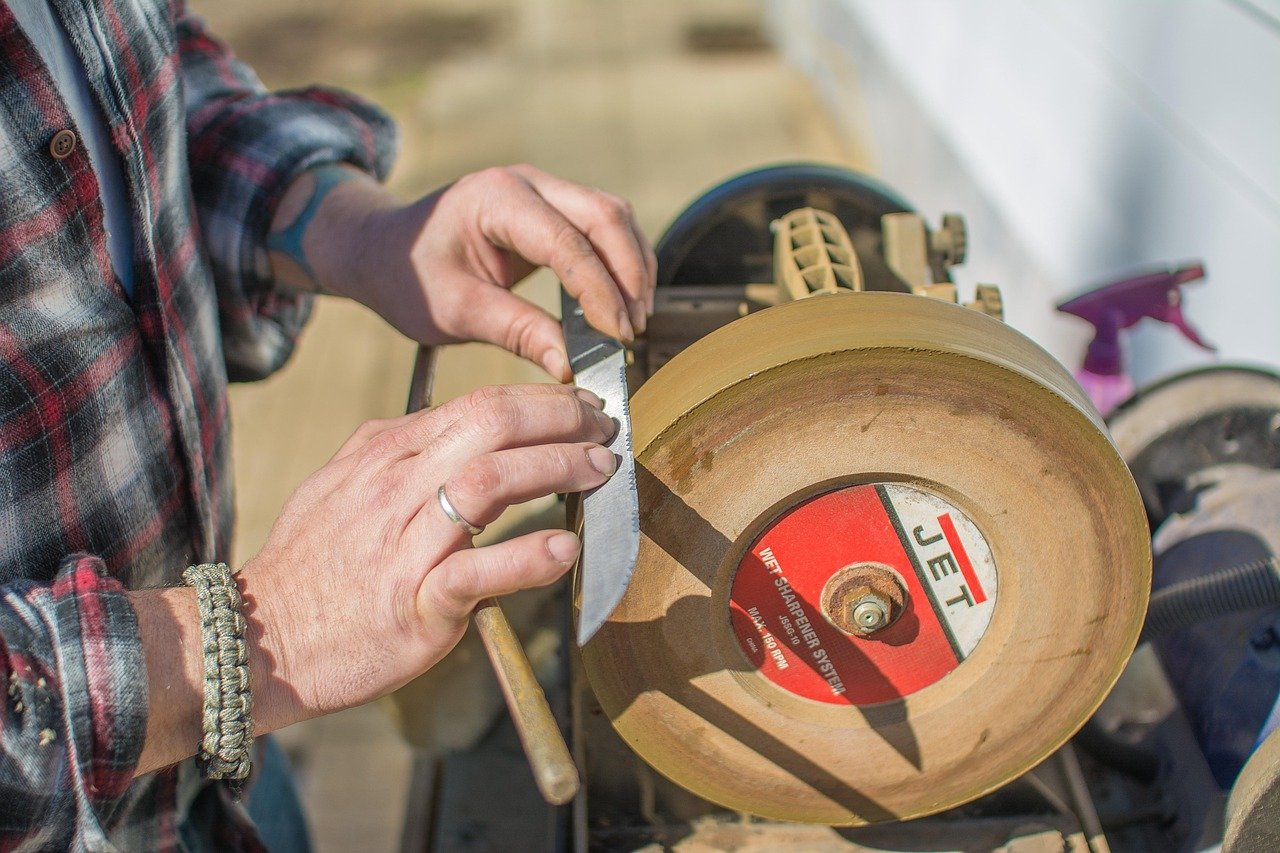
When it comes to maintaining the sharpness and longevity of your knives, selecting the right sharpener is essential. Two primary categories stand out: manual and electric blade sharpeners. Each has its unique benefits and drawbacks, making it crucial to choose the right one for your needs.
Manual Blade Sharpeners
Benefits of Manual Sharpeners
Control Over the Sharpening Process
Manual sharpeners provide the user with direct control over the sharpening angle and pressure. This hands-on approach is often preferred by professional chefs and knife enthusiasts who can fine-tune their edge.Cost-Effective
Generally, manual sharpeners are more affordable compared to their electric counterparts. They come in a variety of forms—including whetstones, honing rods, and pull-through sharpeners—allowing users to find a model that fits their budget.Portability
Manual sharpeners are typically lightweight and easy to store. They can be taken to camping trips, picnics, or even culinary classes, ensuring your knives stay sharp wherever you go.No Power Source Required
Since they don’t require electricity, manual sharpeners are perfect for outdoor activities or situations where power outlets are unavailable.Variety of Options
From whetstones to diamond rods, manual sharpeners come in various materials. Users can choose based on their specific sharpening needs, whether they require coarse or fine sharpening.
Drawbacks of Manual Sharpeners
Learning Curve
For beginners, mastering the technique can be challenging. Achieving the correct angle and pressure takes practice, which may deter those looking for a quick solution.More Time-Consuming
Manual sharpening can take longer than electric methods. Users need to invest time and focus when using whetstones or honing rods to achieve the desired sharpness.Inconsistency
Without proper technique, manual sharpeners may lead to irregular edges, impacting the knife’s overall performance. Users need to be diligent and consistent.
Electric Blade Sharpeners
Benefits of Electric Sharpeners
Speed and Efficiency
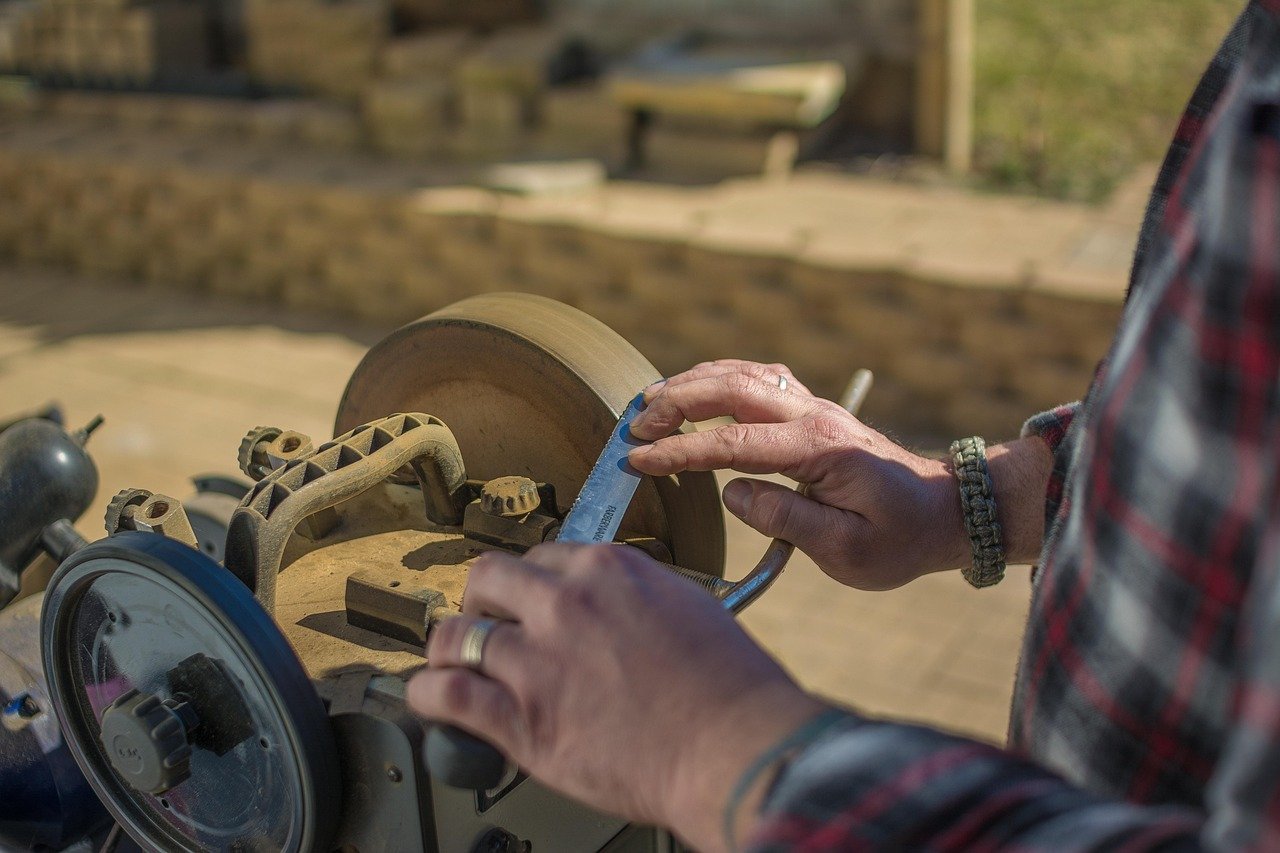
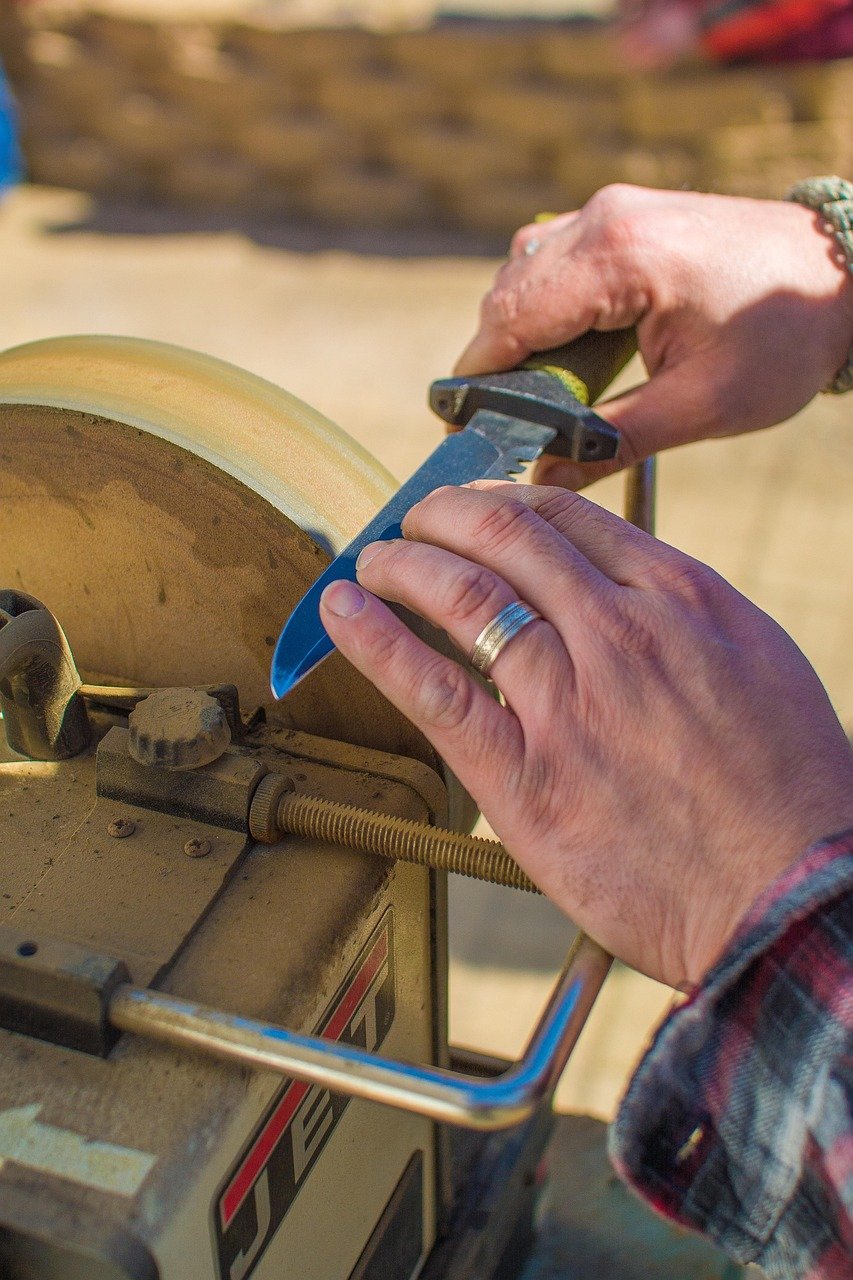
Electric sharpeners offer quick results, making them an excellent choice for busy kitchens. With just a few pulls through the machine, dull knives can be restored to their former sharpness.User-Friendly
Designed for ease of use, electric sharpeners require little skill. Users simply insert the knife, and the machine does the rest, making them accessible to novices.Consistent Results
Electric sharpeners often provide uniform sharpening angles, ensuring a consistent edge on each knife, which is vital for optimal cutting performance.Built-in Features
Many electric sharpeners come equipped with multiple stages for different sharpening processes, like coarse sharpening followed by honing and polishing. This multifunctionality makes them versatile tools for maintaining knife edges.Less Physical Effort
With the automated process, users can avoid the strain that comes with manual sharpening techniques, particularly beneficial for individuals with limited hand strength.
Drawbacks of Electric Sharpeners
Higher Cost
Electric sharpeners typically come with a higher price tag. Investing in a quality model can be significant, which may not be feasible for everyone.Dependence on Electricity
These sharpeners require a power source, limiting their portability. If you go camping or need to sharpen your knives away from home, you may be out of options.Risk of Over-Sharpening
If not monitored carefully, electric sharpeners can over-sharpen knives, potentially leading to blade damage over time. It’s crucial to follow the manufacturer’s guidelines closely.Limited to Professional Models
Some budget electric sharpeners may not adequately sharpen high-quality knives, requiring users to invest in more expensive, professional-grade equipment.Maintenance
Electric sharpeners require upkeep, including regular cleaning and occasional replacement of sharpening belts or wheels, adding to the overall cost and time commitment.
Choosing the Right Sharpener for You
To decide between manual and electric sharpeners, consider your lifestyle, budget, and skill level. If you enjoy the art of knife sharpening and have the time to practice, a manual sharpener could be ideal. Conversely, if you need quick, convenient solutions or have limited experience, an electric sharpener may meet your requirements.
Key Considerations
Frequency of Use
If you frequently use your knives, investing in an electric sharpener might save you time. However, for a casual cook, a manual sharpener may be sufficient.Type of Knives
The type and quality of knives you own can influence your decision. High-end knives often benefit from the precision of manual sharpening, while everyday kitchen knives may perform well with electric sharpeners.Personal Preference
Your comfort level with handling tools may affect your choice. Those who prefer a hands-on approach may gravitate towards manual options, while those who favor convenience will likely choose electrical.Storage Space
Consider your kitchen space. Manual sharpeners are generally compact, while electric models may require a designated countertop area or storage space.Maintenance Capability
Assess how much time and effort you’re willing to dedicate to maintenance. Electric sharpeners need upkeep to function optimally, while manual ones often just need occasional cleaning.
Final Thoughts
Ultimately, both manual and electric blade sharpeners have their unique merits. The decision comes down to evaluating your specific needs, preferences, and the knives you own. By weighing the pros and cons thoughtfully, you can choose the sharpener that best aligns with your culinary requirements, ensuring your knives remain sharp and your cooking endeavors are enjoyable.