


Understanding the Karambit
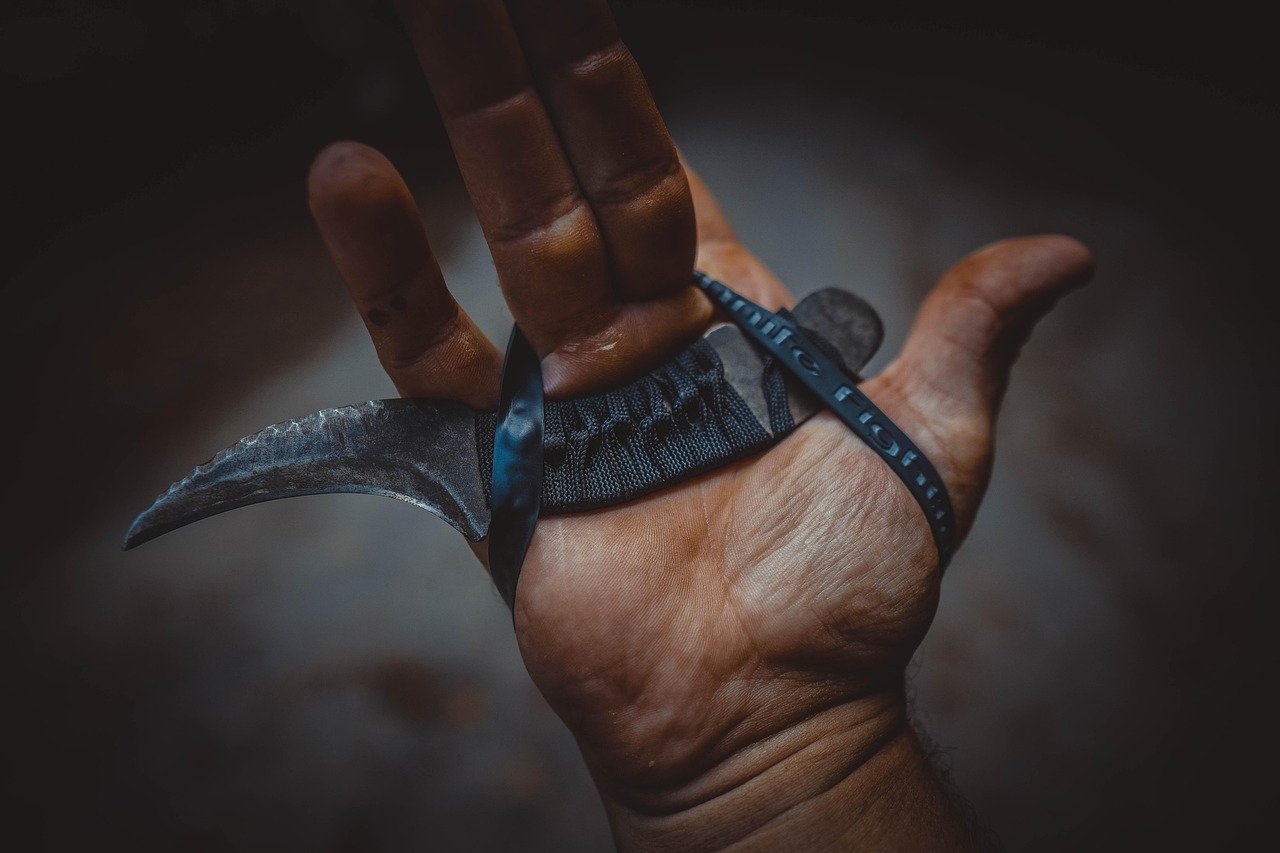
The karambit is a curved, claw-like knife originating from Southeast Asia, renowned for its unique design and versatility. It is traditionally used in martial arts, self-defense, and utility tasks. The distinctive shape of the blade provides excellent cutting capabilities, making it a favored choice among self-defense enthusiasts and collectors alike.
Blade Material
When selecting a karambit, one of the most crucial factors to consider is the blade material. Common materials include stainless steel, carbon steel, and high-carbon stainless steel.
- Stainless Steel: Generally rust-resistant and requires less maintenance, stainless steel is an excellent choice for everyday carry.
- Carbon Steel: Known for its ability to hold a sharp edge longer than stainless steel, carbon steel may rust without proper care, making it suitable for those willing to maintain their blade.
- High-Carbon Stainless Steel: This combines the best of both worlds. It resists rust while providing superior edge retention.
Blade Design
The blade design can significantly affect the karambit’s performance. Here are some considerations for choosing the right blade design:
- Curvature: The amount of curve will determine the cutting efficiency. A more pronounced curve is better for slicing, while a subtler curve may be preferable for stabbing.
- Length: Standard karambit blades typically range from 2.5 to 5 inches. The choice of length may depend on personal preference and the intended use; longer blades provide extended reach.
- Point Style: Consider whether you prefer a pointed tip for precise stabbing or a blunt tip for safety during training.
Handle Material
The handle material impacts both grip and comfort. Common materials include:
- G10: A durable, lightweight synthetic material providing an excellent grip, even in wet conditions.
- Micarta: Offers a traditional look with a textured surface for a secure grip.
- Rubber: Soft and grippy, rubber is ideal for self-defense scenarios where a solid grip is crucial.
Ergonomics and Grip
Ergonomics play a vital role in the functionality of a karambit. Look for a design that fits comfortably in your hand, particularly if you plan to wield it for extended periods. Features to consider include:
- Finger Grooves: Many karambits come with finger grooves that allow for a secure grip.
- Pommel and Guard: Ensure your karambit has a suitable design to prevent your hand from slipping onto the blade.
- Weight Distribution: A balanced knife improves handling, allowing for more control and precision in movement.
Blade Finish
The finish of a karambit affects both aesthetics and performance. Options include:
- Satin Finish: Offers a smooth, polished look and allows for easy slicing.
- Black Oxide Finish: Provides a tactical aesthetic while reducing glare and reflection, ideal for concealment.
- Stonewashed Finish: Enhances durability and hides scratches effectively.
Opening Mechanism
Depending on whether you prefer a fixed or folding karambit, the opening mechanism will differ significantly:
- Fixed Blade Karambits: Typically more robust, provide better durability and ease of maintenance.
- Folding Karambits: Convenient for everyday carry, but it’s essential to assess the locking mechanism to ensure it’s secure during use. Popular locking systems include liner locks, frame locks, and lockbacks.
Sheath Options
Having an appropriate sheath is essential for safe transport and storage of your karambit. Look for:
- Material: Kydex sheaths are popular for their durability and retention, while leather offers a classic style.
- Retention: It should hold the knife securely but still allow for quick access.
- Attachment Style: Choose from belt attachments, pocket clips, or lanyards, depending on how you intend to carry the knife.
Purpose of Use
Defining the purpose of your karambit will directly influence your selection process. Here are some categories to consider:
- Self-Defense: If the primary purpose is self-defense, look for a model that allows for quick deployment and offers a secure grip.
- Martial Arts: For practice or training, consider a rubber or training model to reduce the risk of injury.
- Utility Use: If you plan to use it for everyday tasks, a folding karambit with an ergonomic design may be the best choice.
Brand Reputation
Different brands have varying reputations and specialties in the knife-making field. Researching renowned brands can guide your purchase decision. Some notable brands include:
- Cold Steel: Known for their robust, tactical knives with a solid reputation for durability.
- CRKT (Columbia River Knife and Tool): Offers innovative designs and a range of styles suitable for various uses.
- Kershaw: Known for their excellent value, quality, and a mix of feature-rich knives.
Legal Considerations
Before making a purchase, be aware of the legal restrictions regarding carrying a karambit in your area. Knives classified as weapons may have specific requirements for size, blade length, and carrying methods. Understanding the local laws ensures compliance and safe enjoyment of your purchase.
Price Point
Karambits can vary significantly in price based on brand, materials, and features. Setting a budget is essential. Generally:
- Budget Options ($20 – $50): Many entry-level knives offer decent durability and performance.
- Mid-Range Options ($50 – $150): These typically provide enhanced materials and construction quality.
- High-End Options ($150 and up): Custom or high-end brand knives often feature superior craftsmanship and materials.
Care and Maintenance
Owning a karambit requires maintenance to ensure longevity and performance. Recommendations include:
- Sharpening: Use a whetstone or dedicated sharpener to maintain the blade’s edge.
- Cleaning: Regularly clean your knife after use to prevent rust and maintain functionality.
- Storage: Keep your karambit in the sheath when not in use to protect the blade and prevent accidents.
User Reviews and Recommendations
Looking for user reviews can provide insight into the real-world performance of a karambit. Websites, online forums, and social media platforms offer invaluable perspectives and experiences from fellow knife enthusiasts. Engaging with these communities can help refine your choices.
Try Before You Buy
If possible, visit a local store to physically handle the karambits you’re considering. Feeling the weight, balance, and grip can significantly influence your decision and ensure you choose a knife that feels right in your hand.
Final Considerations
As you navigate your options for choosing the right karambit, remember each user has unique preferences and requirements. Whether it’s for self-defense, martial arts, or utility purposes, evaluating blade material, design, handle, and ergonomics will guide you toward making an informed choice that suits your needs perfectly. Assessing the legal implications, price range, and maintenance will ensure a well-rounded decision that maximizes the value and enjoyment of your new karambit.