



Step-by-Step Guide to Sharpening Your Blades at Home
1. Understanding Blade Types
Before sharpening, it’s essential to know the type of blade you are working with. Common kitchen knives include:
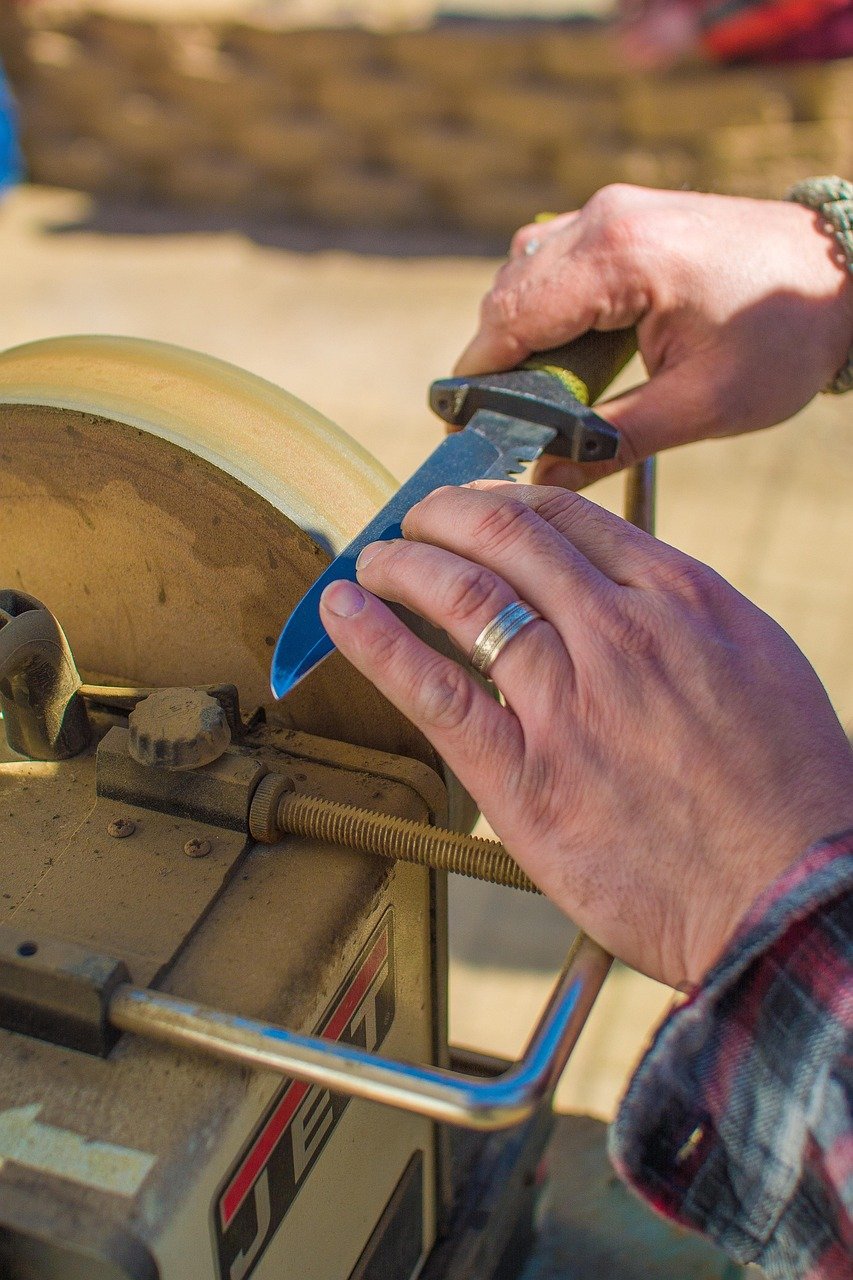
- Chef’s Knives: Versatile with a curved edge for rocking motions.
- Paring Knives: Small blades for intricate tasks.
- Serrated Knives: Notched edges for slicing bread or tomatoes.
- Santoku Knives: Japanese-style, with a flat cutting edge.
Each type of blade may require a different technique or tool for optimal sharpening results.
2. Gather Your Tools
Sharpening your blades requires specific tools. Here are some common items you’ll need:
- Whetstone: Ideal for achieving a fine edge; available in various grits usually ranging from 1000 (for sharpening) to 6000 (for polishing).
- Honing Rod: A steel rod used to realign the edge between sharpenings.
- Pull-through Sharpener: A user-friendly option for beginners.
- Oil or Water: Depending on the type of sharpening stone used.
- Cloth or Towel: For cleaning and drying blades.
3. Prepare Your Workspace
Creating an efficient sharpening workspace enhances safety and effectiveness. Follow these steps:
- Flat Surface: Find a stable surface that can accommodate your tools.
- Non-Slip Mat: Place rubber mats or damp cloths under your whetstone to prevent slipping.
- Good Lighting: Ensure adequate lighting to see any imperfections on the blade edge.
4. Inspect Your Blade
Before beginning the sharpening process, examine the knife for nicks or a dull edge. You can test this by performing a simple paper-cut test. If it does not cut cleanly, it needs sharpening.
5. Choose the Right Technique
For whetstones, there are two primary methods to use: the Western-style push and the Japanese-style pull. Familiarize yourself with both:
- Western-style: Push the blade away from you across the stone.
- Japanese-style: Pull the blade towards you.
Choose one that feels comfortable for your sharpening style.
6. Preparing the Whetstone
If you are using a whetstone, prepare it according to its type:
- Water Stone: Soak for 10-15 minutes to allow the water to penetrate the stone.
- Oil Stone: Apply a light coat of honing oil to the surface.
Using oil can help prevent clogging and provides a smoother sharpening experience.
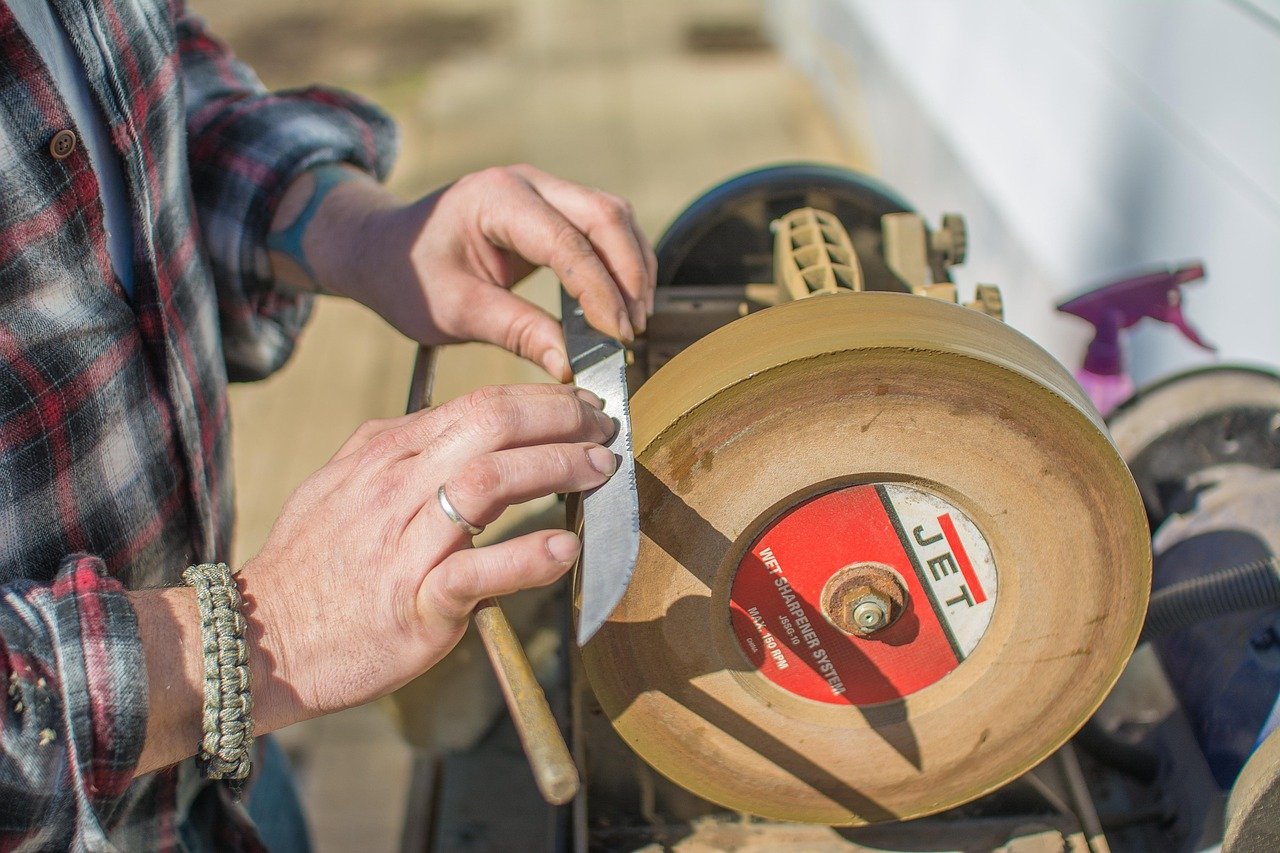
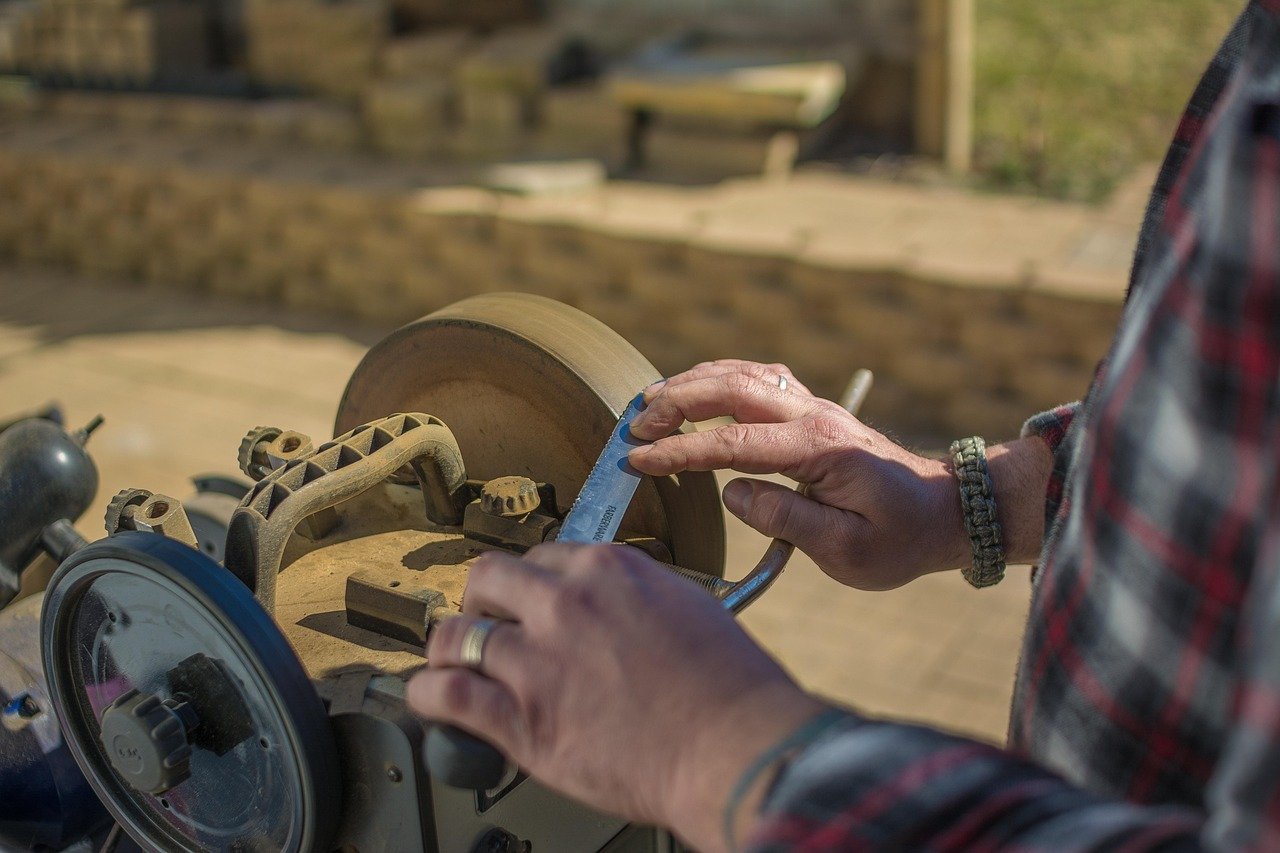
7. Sharpening the Blade
Follow these steps to sharpen your knife effectively:
- Angle the Knife: Hold the knife at a 20-degree angle against the whetstone.
- Start with the Coarse Side: If your stone has two grits, begin with the coarser side.
- Sharpen the Edge: Using even pressure, drag the blade edge across the stone. Perform 5-10 strokes on one side.
- Flip and Repeat: Turn the knife over and repeat the process on the other side.
8. Maintaining Consistent Angle
To maintain a consistent angle, you can:
- Use a guide: Some whetstones come with built-in angle guides.
- Practice: With experience, you’ll become adept at holding the blade at the correct angle.
9. Using a Honing Rod
After sharpening, use a honing rod to align the blade. Here’s how:
- Hold the Rod Vertically: Firmly grip the rod with one hand.
- Angle the Knife: Hold the knife at a 15-20 degree angle to the rod.
- Swipe the Knife: Pull the blade down and across the rod from base to tip, alternating sides for even alignment.
Use this technique regularly to maintain a sharp edge without requiring full sharpening.
10. Test the Sharpness
After sharpening, test the blade’s sharpness:
- Paper Test: Attempt to slice through a piece of paper. A sharp blade should cut cleanly without tearing.
- Tomato Test: Try slicing a ripe tomato; a sharp knife will cut through skin effortlessly.
11. Caring for Your Sharpened Blades
After your sharpening session, clean your blade thoroughly to remove any metal shavings or debris:
- Wash with warm soapy water.
- Dry immediately with a soft cloth to prevent rusting.
Consider storing your knives in a knife block or a magnetic strip to protect the edges from damage.
12. Sharpening Safety Tips
Always prioritize safety during the sharpening process:
- Cut Away from Yourself: When sharpening or honing, always direct the blade away from your body.
- Use a Secure Grip: Ensure a firm grip on the knife and the stone to prevent slips.
13. Practice Regularly
Regular blade maintenance is essential. Frequent honing will prolong the time between sharpening sessions and keep your blades ready for use. Aim to hone every few uses and sharpen at least every six months, depending on usage frequency.
14. Alternative Sharpening Methods
If you’re new to sharpening, consider these alternatives:
- Electric Sharpeners: Quick and easy to use but may remove more material than manual methods.
- Professional Sharpening Services: Handing over your knives to professionals is a good option if you’re unsure about sharpening yourself.
15. Troubleshooting Common Issues
If your blades are still dull or you experience uneven sharpening:
- Check Your Angle: Ensure consistent angles throughout the process.
- Evaluate Your Pressure: Apply even pressure without forcing the blade.
- Inspect the Sharpening Tool: A worn-out whetstone may need replacement, affecting sharpening quality.
16. Importance of Regular Maintenance
Maintaining your knives regularly not only ensures efficiency in the kitchen but also extends the lifespan of your blades. Well-maintained knives result in better cooking experiences and safer food preparation.
17. Final Touches
Once your knives are sharp, you may want to apply a small amount of mineral oil to protect the blades if they aren’t used frequently. It acts as a barrier against moisture and rust.
By following these detailed steps, you can achieve razor-sharp knives in the comfort of your home, enhancing your cooking experience and efficiency.