



Blade Sharpening Techniques Every Cook Should Know

Understanding Knife Sharpness
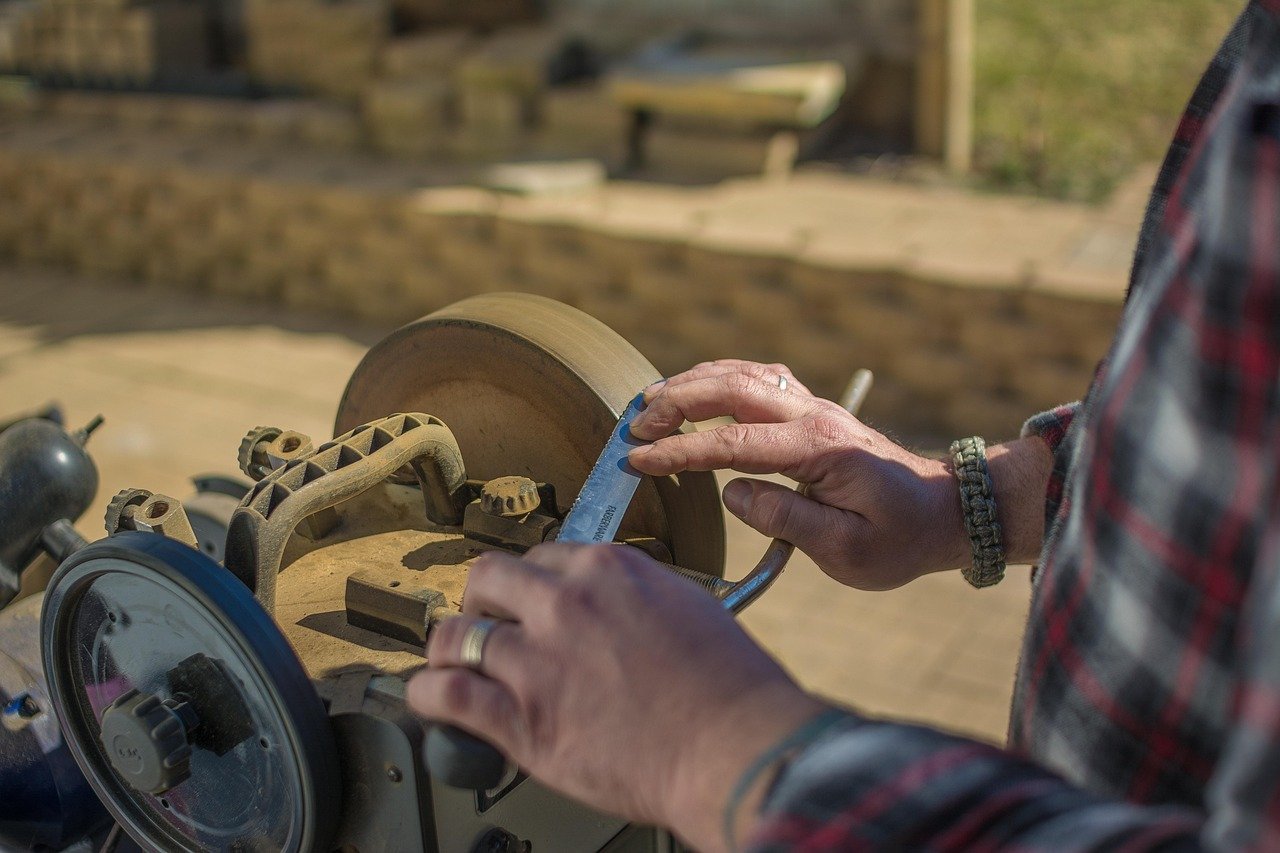
Knife sharpness is pivotal in the culinary world. A sharp knife not only enhances the cooking experience but also ensures safety by reducing the force needed to cut through food. A blunt knife can cause slips and accidents, putting the cook at risk. Maintaining kitchen knives through effective sharpening techniques is essential for every chef, whether professional or amateur.

Types of Blades and Their Composition
Before diving into sharpening techniques, it’s crucial to understand the type of blades you have. Knives can be made from various materials: stainless steel, carbon steel, ceramic, and high-carbon stainless steel. Each material requires a different approach to sharpening.
- Stainless Steel: Durable and resistant to rust, stainless steel knives are ideal for everyday cooking. They require frequent honing rather than heavy sharpening.
- Carbon Steel: These blades are known for their sharpness and edge retention but can rust if not cared for. Regular sharpening and oiling are necessary.
- Ceramic: Extremely hard and sharp, ceramic knives can be challenging to sharpen and often require professional tools.
- High-Carbon Stainless Steel: These combine the best of both worlds, providing corrosion resistance and excellent sharpness.
Honing vs. Sharpening
Understanding the difference between honing and sharpening is fundamental for maintaining knife edges:
- Honing refers to straightening the blade edge. This should be done routinely, ideally after each use, using a honing rod.
- Sharpening involves grinding the blade to create a new edge. This process is required less frequently but is crucial for maintaining the knife’s effectiveness.
Essential Sharpening Tools
Several tools can be employed for sharpening knives:
- Whetstones (Sharpening Stones): Available in various grits, from coarse (200) to fine (1000+), whetstones are highly effective.
- Electric Sharpeners: These are fast and user-friendly, perfect for those who prefer convenience.
- Manual Pull-Through Sharpeners: These compact tools are beginner-friendly, featuring preset angles, but they may not produce the finest edge.
- Honing Rods: Typically used for honing rather than sharpening, they help maintain a knife’s edge between sharpening sessions.
- Leather Strops: Used in conjunction with other sharpening tools to polish and refine the blade edge.
Whetstone Sharpening Technique
- Choose the Right Grit: Start with a coarse grit (200-600) for dull knives and progress to a finer grit (800-2000) for polishing.
- Soak the Whetstone: Submerge it in water for 10-15 minutes before use.
- Position the Knife: Hold the knife at a 15-20 degree angle against the stone.
- Begin Sharpening: Apply even pressure and slide the blade across the stone, moving from the heel to the tip. Repeat this for several strokes.
- Switch Sides: Flip the knife and maintain the same angle, repeating the process.
- Finish with a Fine Grit: Once you achieve a sharp edge, switch to a finer whetstone to polish the blade.
Electric Sharpening Technique
- Setup the Sharpener: Plug in the electric sharpener and ensure it is stable.
- Insert the Knife: Place the knife in the slot as per the manufacturer’s guidance.
- Turn On the Sharpener: Most electric sharpeners have a guided sharpening process that will automatically adjust for the correct angle.
- Remove the Knife: After a few seconds, remove the knife, and check the sharpness. Repeat if needed.
Maintaining the Knife Edge with Honing
- Using a Honing Rod: Hold the rod vertically in one hand and the knife in the other.
- Angle the Knife: Position the blade at a 15-20 degree angle against the honing rod starting near the heel.
- Sweep the Blade Downward: Glide the knife downwards along the honing rod’s length.
- Alternate Sides: Hone each side of the blade equally, about 5-10 swipes per side.
Safety Precautions While Sharpening
- Use a Stable Surface: Always sharpen knives on a steady surface to prevent slips.
- Secure the Whetstone: Consider placing a damp cloth under the whetstone to keep it from moving.
- Keep Fingers Clear: Ensure that your fingers are positioned safely away from the blade’s path to avoid injuries.
- Use a Comfortable Grip: Ensure your hands are secure on the knife handle to maintain control.
Sharpening Specialized Knives
Some knives, like serrated or Japanese-style blades, require specialized techniques:
- Serrated Knives: Use a tapered ceramic rod or a serrated knife sharpener to access the individual teeth. Focus on each serration individually.
- Japanese Knives: Often have a single bevel and require a different angle. Sharpening should be done from the spine to the edge with proper attention to the blade type.
Conclusion on Knife Maintenance
A well-maintained knife is crucial for success in the kitchen. Regular honing and timely sharpening not only enhance your cutting performance but extend the lifespan of your knives. With these techniques, every home cook can master the art of blade sharpening, ensuring that each culinary task is executed with precision and efficiency. The effort invested in learning these skills will pay off through improved cooking experiences and safer food preparations.