



Eco-Friendly Sharp Knives: Sustainable Options for Your Kitchen
Understanding Eco-Friendly Knives
Eco-friendly knives are designed with sustainability in mind, focusing on materials, manufacturing processes, and longevity. As awareness of environmental issues grows, many consumers are leaning towards sustainable kitchen tools that reduce their carbon footprint. These knives not only perform exceptionally but also contribute to a greener planet.
Materials Used in Eco-Friendly Knives
Recycled Steel
Many manufacturers now produce knife blades from recycled steel. This practice significantly lowers the carbon emissions associated with mining and refining new materials. Recycled steel offers great sharpness and durability, making it an excellent choice for chef and utility knives alike.Bamboo Handles
Bamboo is one of the most sustainable materials due to its rapid growth and ability to regenerate without the need for replanting. Knives with bamboo handles are not only aesthetically pleasing but also lightweight and strong. The cultivation of bamboo requires minimal water and no pesticides, further contributing to its eco-friendly profile.Vegetable-Based Plastics
Some knife manufacturers have started using bioplastics derived from vegetable sources, such as corn or sugarcane, instead of traditional petroleum-based plastics. These bioplastics are often biodegradable, contributing less to landfill waste when discarded.Wood from Sustainable Sources
Knives made from wood require careful sourcing. Manufacturers that use wood from sustainably managed forests ensure that their products do not contribute to deforestation. Hardwoods like walnut and maple offer beautiful aesthetics and durable performance, making them environmentally friendly choices.
Types of Eco-Friendly Knives
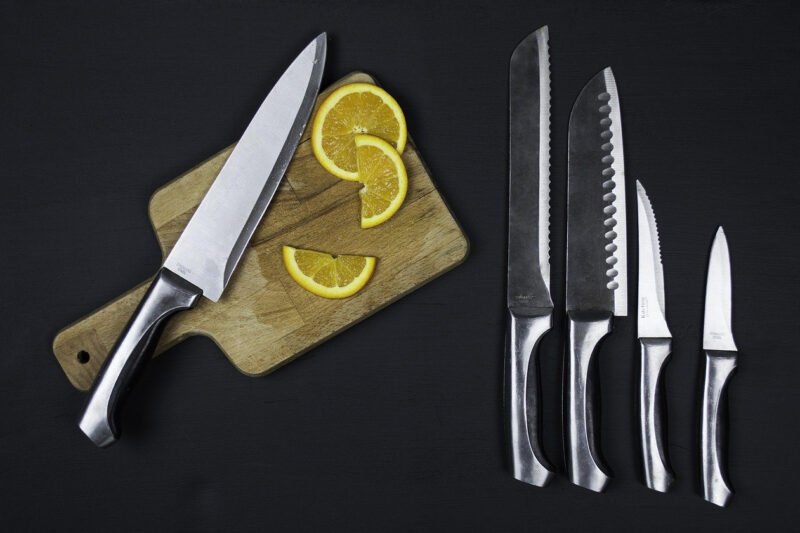
Chef’s Knives
A good-quality chef’s knife is essential in any kitchen. Eco-friendly options feature blades made from high-carbon recycled steel and handles crafted from bamboo or sustainably sourced hardwood. Look for brands that emphasize ethical manufacturing practices.Paring Knives
Paring knives are versatile kitchen tools ideal for smaller, detailed tasks. Sustainable paring knives often come with ergonomic handles made from recycled materials and are designed for easy sharpening, thereby extending their lifespan.Utility Knives
Utility knives are perfect for a range of purposes, from slicing to dicing. Eco-friendly utility knives can incorporate bamboo handles with recycled steel blades, combining low environmental impact with high functionality.Specialty Knives
If you’re a culinary enthusiast, consider specialty knives like filleting or bread knives. These can also be crafted from sustainable materials. Some premium brands offer customizable options that allow you to select eco-friendly materials.
Sustainable Manufacturing Practices
Manufacturers that prioritize sustainability often follow specific practices to minimize their environmental impact:
Local Sourcing
By sourcing materials locally, companies can reduce transportation emissions, supporting local economies and creating jobs.Efficient Production
Sustainable knife-making often utilizes technology that reduces waste during production. Advanced techniques like water-jet cutting allow for precise blade shapes with minimal leftover material.Ethical Labor Practices
Eco-friendly brands often champion fair labor practices, ensuring that workers receive fair wages and work in safe conditions. Supporting such brands contributes to a more equitable global economy.
Maintenance of Eco-Friendly Knives
Proper maintenance extends the life of eco-friendly knives, ensuring that their sustainable benefits are realized over time.
Cleaning
Handwashing is recommended for most eco-friendly knives to reduce wear and tear. Avoid dishwashers, which can cause damage through high temperatures and harsh detergents. Use mild soap and warm water, and dry knives immediately to prevent rust on steel blades.Sharpening
Regular sharpening is crucial for maintaining the performance of any knife. Use environmentally friendly sharpening stones or tools specifically designed for the blade material. Invest in a quality whetstone, as it can provide a longer-lasting edge without harmful chemicals.Storage
Proper storage prevents knives from getting damaged and protects their edges. Magnetic strips, wooden blocks, or special knife cases are eco-friendly storage options that help maintain the integrity of your knives while avoiding plastic holders.
Brands to Consider
Wüsthof
Known for quality craftsmanship, Wüsthof produces knives with a commitment to sustainability, using recycled materials and environmentally friendly manufacturing processes.Miyabi
This Japanese brand combines traditional knife-making techniques with modern sustainability practices, offering blades that are sharp, beautiful, and environmentally conscious.Victorinox
The Swiss Army Knife producer has expanded its range to include eco-friendly options, employing recycled materials and ethical labor in its production line.Ginsu
Ginsu knives feature efficient designs and accessible prices. Their commitment to using sustainable materials and manufacturing processes make them a popular choice for environmentally-conscious consumers.
Key Features to Look for in Eco-Friendly Knives
Durability
Choose knives that are built to last. A well-made knife reduces the need for replacements, contributing less waste to landfills.Reparability
Some brands offer replaceable parts or repair services, extending the life of the knife even further. Look for warranty policies that support sustainable practices.Certifications
Check for certifications from recognized organizations that ensure ethical and sustainable sourcing of materials. Certifications can indicate compliance with environmental standards.User Reviews
Browse customer reviews and feedback to assess the performance and durability of eco-friendly knives. Real-world experiences can provide valuable insights into the longevity of a product.
DIY Eco-Friendly Knife Care Products
Create your own eco-friendly cleaning solutions to maintain your knives.
Homemade Knife Cleaner
Combine equal parts vinegar and water for an effective cleaning solution. This solution cuts through grease without harsh chemicals.Natural Cutting Board Oil
To maintain wooden knife handles, use food-safe mineral oil or make a mixture of beeswax and coconut oil. This helps keep the wood nourished and less susceptible to moisture damage.Sharpening Stone Care
Clean sharpening stones with a mixture of baking soda and water to maintain effectiveness and remove metal shavings.
The Importance of Sustainability in Kitchen Tools
The kitchen is often the center of household activity, making it an ideal place to implement sustainable practices. Choosing eco-friendly knives not only helps reduce waste but also educates cooks about the impact of their choices on the environment.
By selecting sustainable options, you are contributing to a larger movement towards responsible consumption that prioritizes wellness for both humanity and the planet. By investing in durable products, you enhance your cooking experience while being kind to the earth.
In an increasingly eco-conscious world, the rise of eco-friendly sharp knives symbolizes a shift toward more responsible kitchen practices. As you explore the options, consider how each choice you make contributes to a brighter, more sustainable future for generations to come.