


Understanding Knife Sharpness
To maintain your knife’s sharpness, it’s essential to understand how sharpness is measured and the factors that contribute to a knife losing its edge. A sharp knife has a fine edge that allows it to cut through materials effortlessly. Over time, this edge wears down due to use, environmental factors, and improper handling. Key concepts include honing versus sharpening; honing realigns the blade’s edge, while sharpening reshapes it.
Importance of Regular Maintenance
Regular maintenance keeps your knife effective, safe, and prolongs its lifespan. A dull knife not only makes cooking more difficult but also poses a safety risk, as greater force is needed to cut through food. Regular sharpening and honing can ensure that your knives remain efficient tools in your kitchen arsenal.
Tools for Maintaining Knife Sharpness
1. Honing Rod
A honing rod, often made of ceramic or steel, is vital for maintaining the edge of your knife. Use it regularly to realign the edge without removing significant material from the blade. To properly hone a knife:
- Hold the honing rod vertically.
- Position the knife at a 15-20 degree angle.
- Pull the blade across the rod from heel to tip in a smooth motion.
- Repeat on the other side of the blade.
2. Knife Sharpener
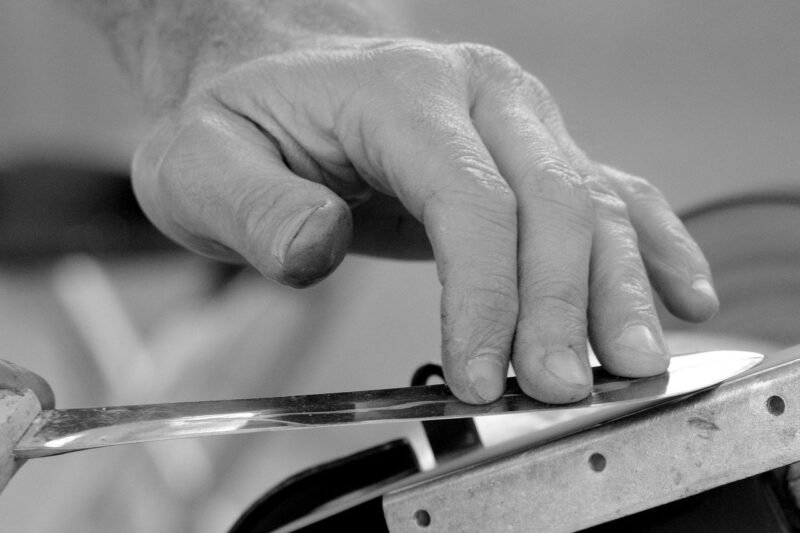
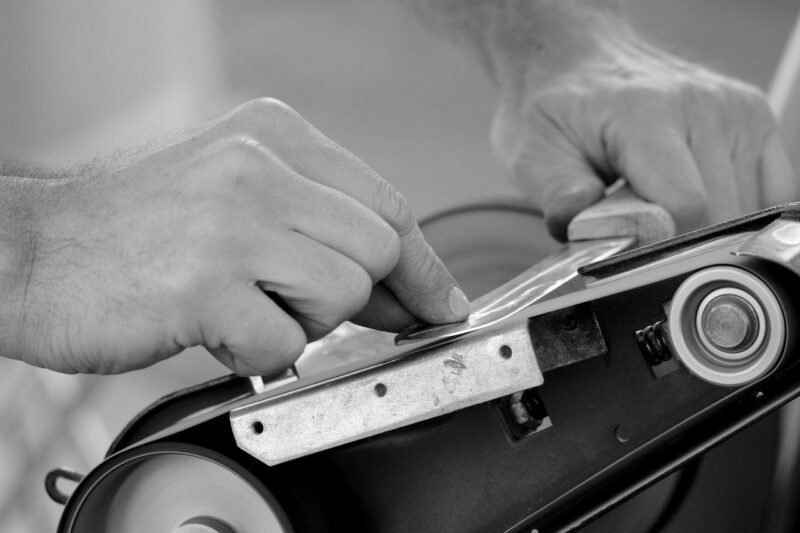
Sharpeners come in various forms, including manual pull-through sharpeners, electric sharpeners, and whetstones. Each serves a different purpose. For beginners, a pull-through sharpener can be the most straightforward option.
- Manual Sharpening: Place the knife in the sharpener slot and pull it through several times to achieve a sharp edge.
- Electric Sharpening: This method automates sharpening and can provide an even edge but may remove more material.
- Whetstone: This traditional method requires skill but offers precise control over the sharpening process.
Everyday Maintenance Practices
1. Proper Cleaning
Maintaining knife sharpness starts with proper cleaning. After each use, sanitize the blade with warm soapy water and dry it immediately. Avoid placing knives in the dishwasher, as the harsh environment can damage the edge.
2. Cutting Surface Awareness
Using the right cutting surface can greatly impact your knife’s edge. Opt for softer cutting boards made of wood or plastic instead of glass or ceramic, as these harder surfaces can quickly dull the blade.
3. Avoiding Hard Foods
When using your knife, be cautious of overly hard foods. Bones, frozen goods, or overly hard vegetables can chip or dull your knife edge. Use designated tools for those tasks, preserving your knife for its intended purpose.
Storage Solutions
1. Knife Blocks
Storing knives in a wooden knife block not only protects the blades but keeps them safely stored away from random exposure. Ensure that the knife blades slide in and out of the block with ease to avoid dulling.
2. Magnetic Strips
Magnetic strips allow for convenient storage while keeping knife edges protected. Hanging knives keeps the blades clear of debris and moisture, which can lead to corrosion.
3. Blade Guards
Using blade guards can be beneficial if you need to store knives in drawers. These protect the edges from nicks and ensure safety during handling.
Professional Sharpening
Although regular home maintenance is crucial, consider professional sharpening at least once a year. Professionals utilize specialized equipment to restore and reshape the knife edge, ensuring optimum functionality. When choosing a professional, look for someone with positive reviews and a good reputation for quality sharpening.
Signs Your Knife Needs Sharpening
It’s essential to be attuned to the performance of your knives. Here are indicators that indicate it’s time to sharpen:
- Difficulty Cutting: If you notice you’re having to exert more force to cut through food.
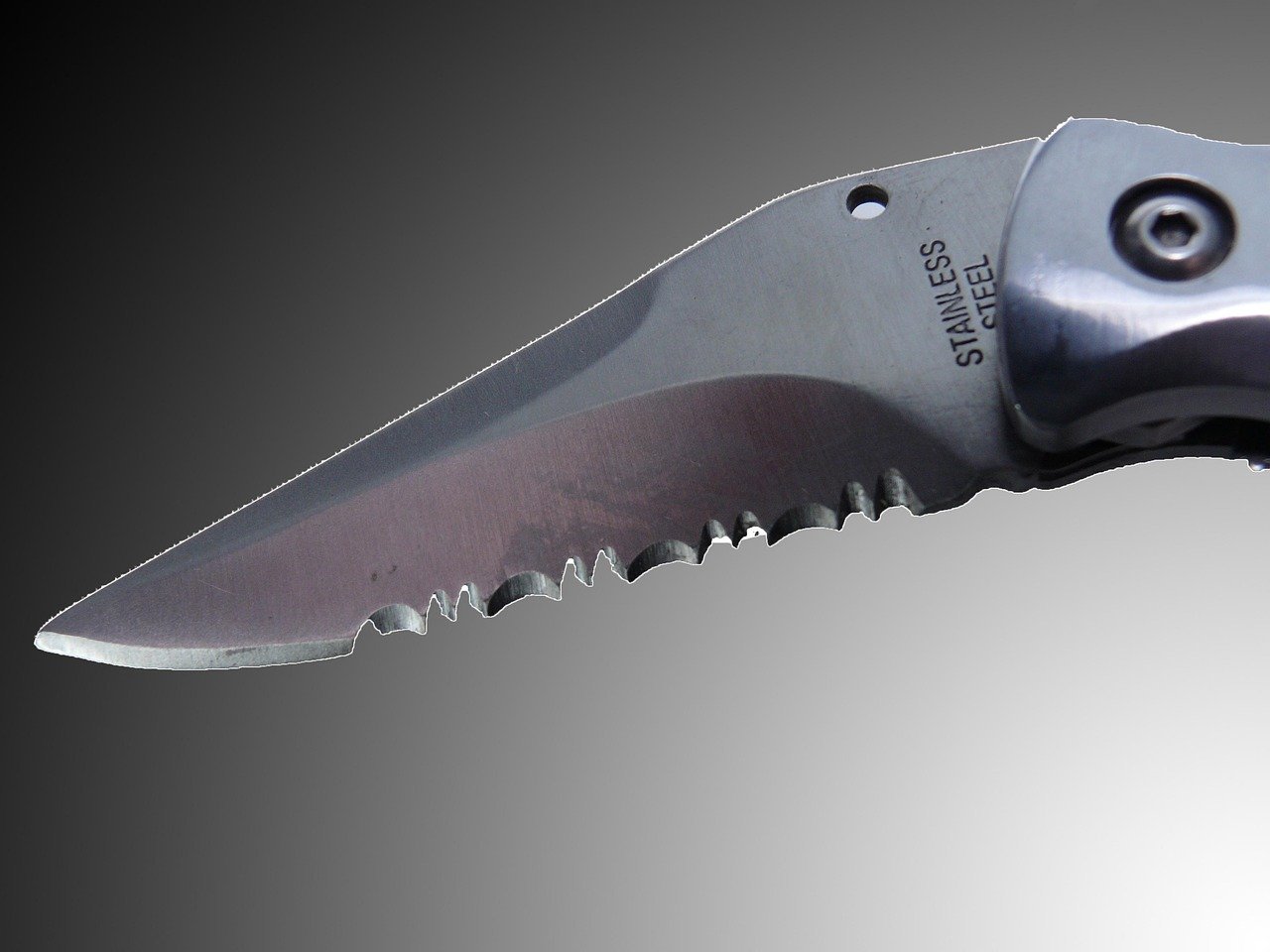
- Visible Damage: Chips or nicks on the blade edge suggest it’s time for professional sharpening.
- Rough Edge: Run your finger gently over the blade; a rough texture indicates dullness.
Frequently Asked Questions
How often should I sharpen my knives?
The frequency of sharpening depends heavily on usage. Professional chefs may sharpen daily, while home cooks could sharpen every few months. Regular honing, on the other hand, can be done weekly or even after each use.
Can I use a sharpening stone if I’m not skilled?
Yes, while using a whetstone requires practice, with patience, you can learn. Start with finer grits and gradually increase the coarseness for sharpening until you find your comfortable technique.
What’s the best angle for sharpening my knife?
Typically, a 15-degree angle works well for a variety of knives. However, thicker blades may benefit from a 20-degree angle.
Conclusion
Investing time and effort into maintaining your knife’s sharpness can vastly improve your cooking experience. Regular honing, appropriate cleaning, and proper storage are key criteria to keeping your knife in top condition. This ensures that your knives remain sharp, safe, and effective for all your culinary adventures. Through conscientious care and attention, your knives can remain reliable tools for many years to come.