



The Science Behind Blade Sharpening: Essential Tips and Tricks
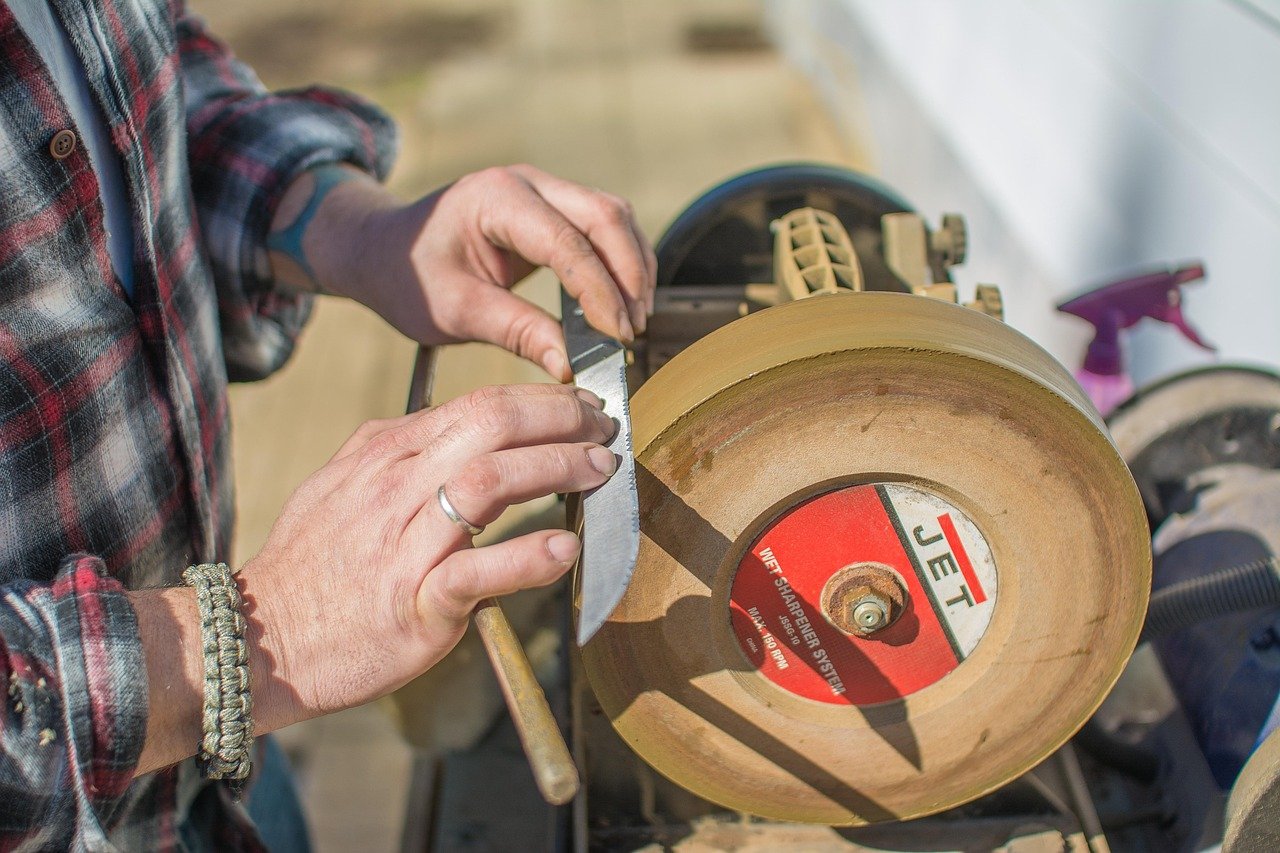
Blade sharpening combines art and science, transforming a dull cutting tool into a finely honed instrument. Understanding the principles of blade geometry, material properties, and sharpening techniques can elevate your skills significantly. This article explores the essential aspects of blade sharpening, focusing on practical tips and tricks to achieve razor-sharp results.
Blade Geometry
Edge Shape
The edge of a blade can be classified into various shapes, including convex, concave, and flat. The most common edge shape in kitchen knives is the V-edge, which features two symmetrical bevels meeting at a sharp point. Convex edges provide durability and are less likely to chip, while concave edges can create a finer cut. Understanding these shapes aids in choosing the right sharpening method.
Bevel Angle
The bevel angle is crucial to the blade’s performance. Most kitchen knives have a bevel angle ranging from 15 to 20 degrees per side. A smaller angle offers a sharper edge but reduces durability, while a larger angle increases resilience at the cost of sharpness. Understanding your blade’s intended use helps in determining the perfect bevel angle for sharpening.
Materials and Their Properties
Types of Steel
High-carbon stainless steel is the most popular material used for knife-making due to its corrosion resistance, strength, and ease of sharpening. Different types of steel, such as VG-10 or 440C, exhibit varying hardness levels, affecting how they hold an edge. Softer steels are easier to sharpen but require more frequent honing, while harder steels maintain an edge longer but are more challenging to sharpen effectively.
HRC Scale
The Rockwell Hardness Scale (HRC) measures a material’s hardness. Knives with an HRC rating between 56 and 61 are considered ideal for kitchen use. Understanding the hardness of your blade helps determine the appropriate sharpening technique, as harder steels require finer abrasives and more careful handling.
Sharpening Techniques
Whetstones
Whetstones are a versatile tool for sharpening blades. Typically, they come in two varieties: oil stones and water stones. Japanese water stones are preferred for their fast cutting action and fine grits. Start with a coarser grit (around 1000) for repairing edges and move to finer grits (4000 to 8000) for finishing. Soak the water stone in water for about 10-15 minutes before use, allowing it to create a slurry that aids in sharpening.
Angle Maintenance
Maintaining a consistent angle while sharpening is crucial. Use a sharpening guide or a protractor to measure the angle for accuracy. Alternatively, mark the ideal angle on the stone with a pencil to guide your movement. A consistent angle ensures an even edge, enhancing cutting performance.
Honing Rods
Honing rods are vital for maintaining an edge between sharpenings. They realign and straighten the edge rather than remove material, prolonging the time between sharpening sessions. Use the honing rod at the same angle as your knife’s bevel for best results, and perform light strokes to realign the edge.
Electric Sharpeners
Pros and Cons
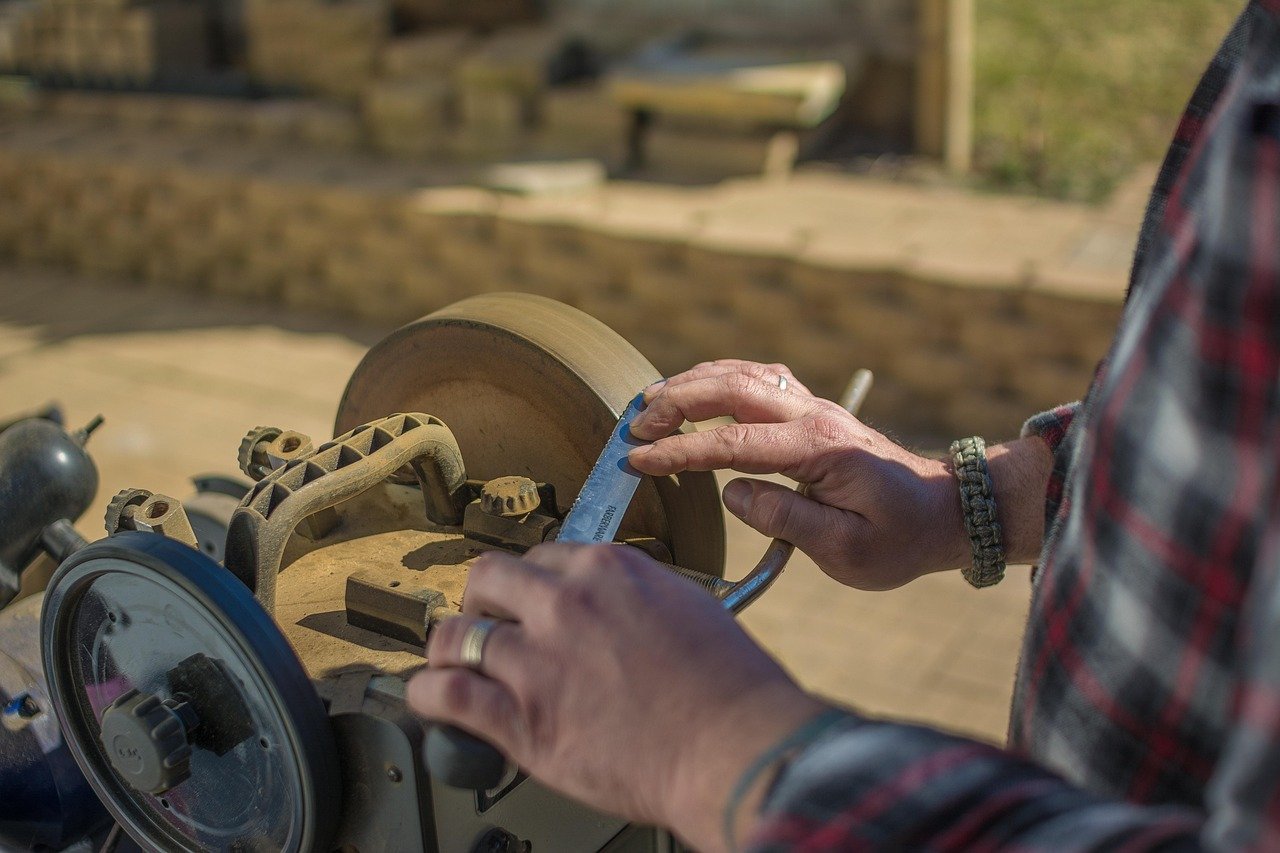
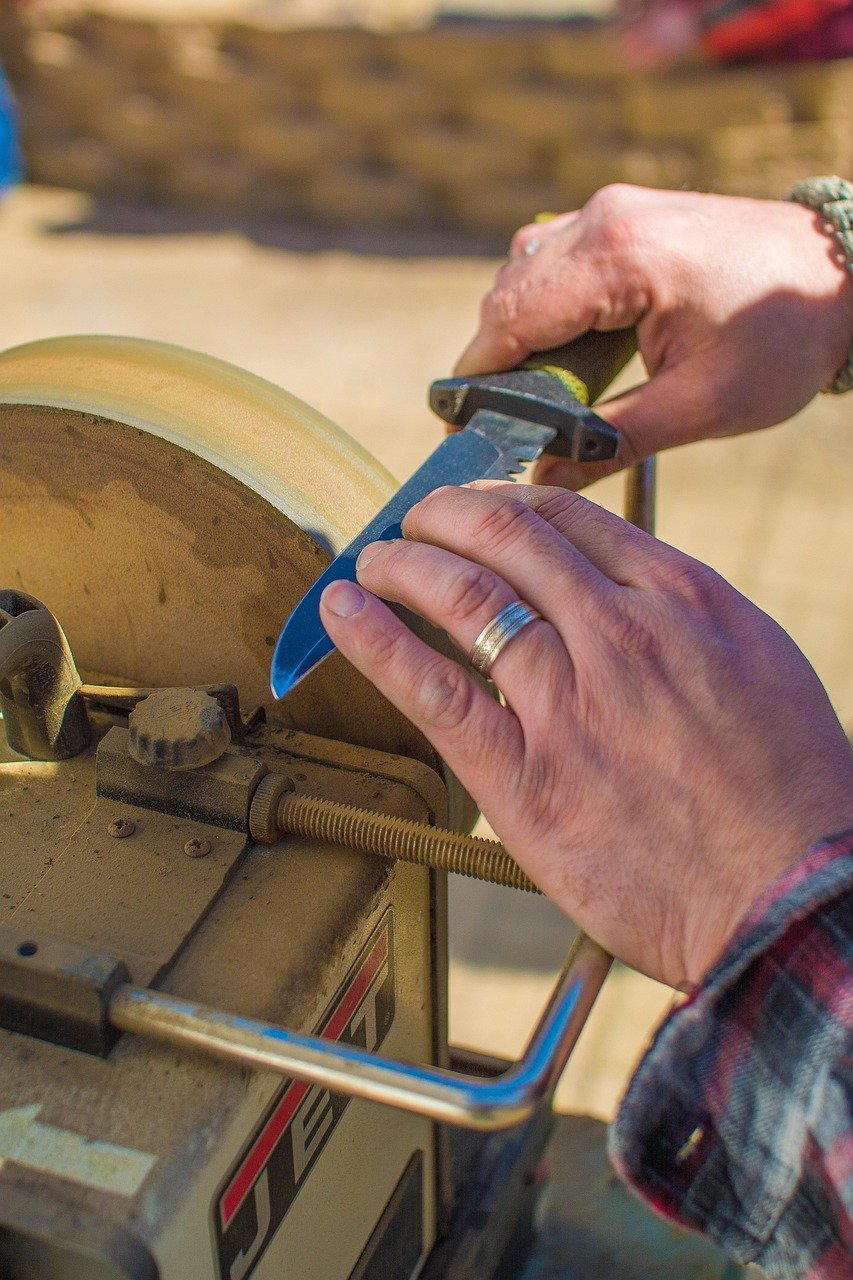
Electric sharpeners offer speed and convenience, making them a popular choice for busy kitchens. However, they can easily remove too much material, altering the knife’s geometry over time. If opting for an electric sharpener, choose one with multiple stages and follow the manufacturer’s guidelines for best results.
Choosing an Electric Sharpener
Look for electric sharpeners that feature diamond abrasives for effective sharpening. Consider models with built-in angle guides to ensure proper alignment. Frequent users of high-end knives should use these with caution, as they may require more delicate handling.
Essential Tips for Blade Maintenance
Regular Honing
Regular honing keeps your edge aligned, reducing the frequency of sharpening. Honing should be performed after each use, ensuring that your knife remains effective without the risk of altering the geometry too quickly.
Cleaning After Use
After every use, ensure your knife is cleaned and dried properly. Avoid the dishwasher, as heat and moisture can damage the blade. A gentle hand wash with mild soap and a soft cloth keeps your knife in optimal condition.
Storage Solutions
Proper storage is critical for preserving an edge. Use knife blocks, magnetic strips, or protective sheaths to guard against damage. Avoid throwing knives into drawers, where they can become dull and nicked.
Professional Sharpening Services
When to Seek Help
Even the best-maintained blades require professional sharpening occasionally. If a blade becomes chipped or the edge is excessively worn, consulting a professional service may be the most effective solution.
Choosing a Service
Look for sharpening services specializing in the type of blade you own. Recommendations or online reviews can guide you in selecting a reputable service, ensuring your knives receive the best possible care.
Conclusion: Putting It All Together
Blade sharpening is a skill that enhances the life and functionality of your knives. By understanding the science behind blade geometry, materials, and different sharpening techniques, you can develop a reliable sharpening routine. Equipped with these essential tips and tricks, you will not only improve your sharpening skills but also ensure that your blades remain a valuable asset in your kitchen for years to come.